Optimizing Freight Operations for Modern Forwarders
Tuesday, September 8 2026
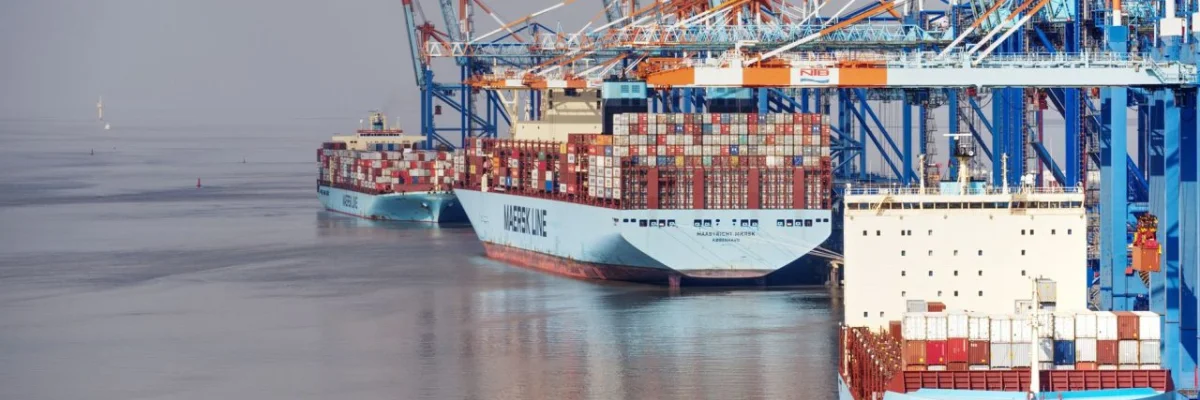
The global logistics landscape is evolving at an unprecedented pace, demanding higher levels of agility and precision from freight forwarders. As digital transformation takes center stage, professionals must rethink their traditional workflows to maintain a competitive edge. Relying on manual spreadsheets and disconnected communication channels often leads to costly errors and operational bottlenecks that hinder growth. By integrating sophisticated cloud-based tools and adopting standardized digital processes, forwarders can significantly enhance their shipment visibility and client satisfaction. This guide explores essential practices to streamline your operations, reduce overhead costs, and ensure your logistics business thrives in an increasingly complex and interconnected global market.
Mastering Digital Documentation

Transitioning from paper-based systems to digital documentation creates a foundation for operational speed. Digitized records minimize the risk of lost documents and allow your team to access critical shipment data from any location while maintaining security and compliance standards.
- Centralized data management: Consolidate all shipment files into one cloud repository to eliminate physical filing systems and reduce the time spent searching for historical records during daily operations.
- Automated data entry: Utilize smart extraction tools to pull information directly from commercial invoices and packing lists, reducing human error during the repetitive manual input process daily.
- Standardized naming protocols: Implement consistent file labeling strategies across your organization so that every team member can identify and retrieve necessary documentation without needing additional clarification or help.
- Real-time document updates: Ensure that all stakeholders access the latest version of shipping documents by using collaborative cloud platforms that track changes and log user activity logs.
By shifting to an entirely digital workflow, your team avoids the common pitfalls of physical document handling. This evolution not only accelerates the pace of document approval cycles but also bolsters your overall reliability with clients. As you eliminate bottlenecks caused by missing paperwork, you free up valuable time to focus on strategic client growth initiatives that drive long term profitability and success.
Enhancing Real-time Shipment Visibility
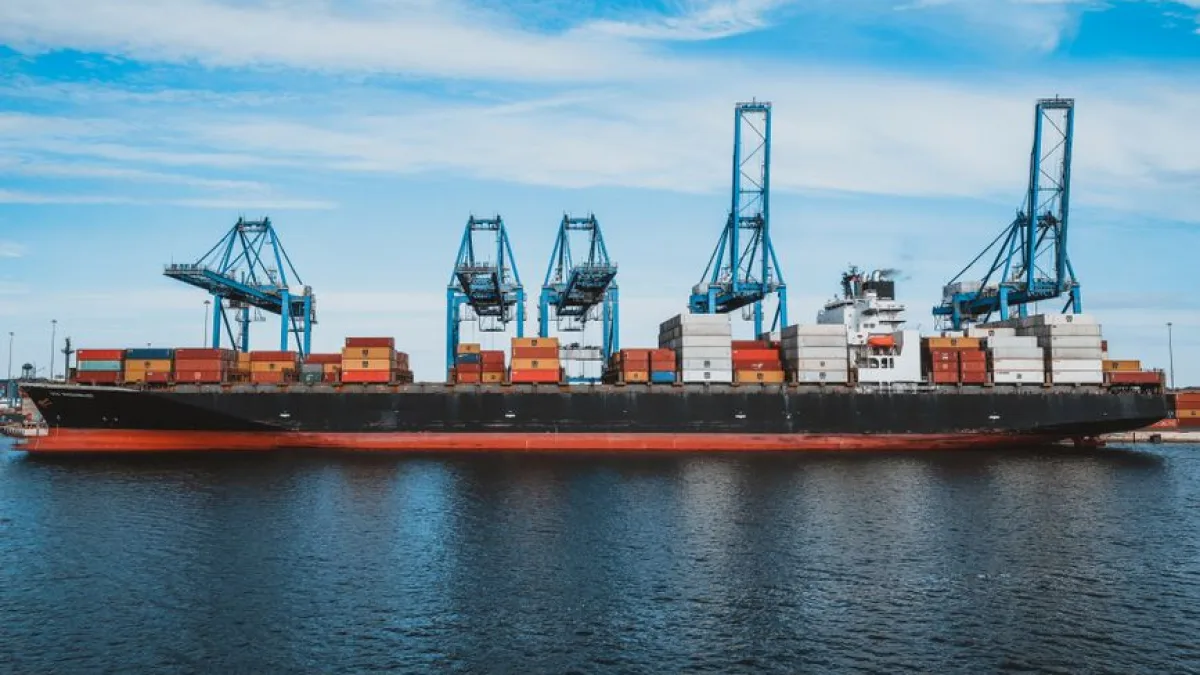
Visibility acts as the lifeblood of modern logistics. Customers now expect instant updates regarding the status of their cargo, making it essential for forwarders to provide transparent, accurate, and timely tracking data throughout the entire international transit process.
- Integrated tracking portals: Offer your clients a dedicated online portal where they can monitor shipment milestones without needing to call or email your customer service team.
- Automated status notifications: Configure your software to send proactive email or text alerts whenever a shipment passes a key milestone or encounters an unexpected transit delay.
- Third-party carrier integration: Connect your platform directly with steamship lines and airline APIs to pull live location data and status updates directly into your main dashboard.
- Proactive exception management: Set up smart alerts that notify your operations team immediately when a shipment falls outside of planned transit times, allowing for rapid resolution.
Providing granular visibility transforms your client relationships from reactive communication to proactive partnership. When you supply clear tracking data, you minimize client anxiety and reduce the volume of status inquiries handled by your staff. This transparency builds trust over time, ensuring that your clients remain confident in your ability to manage their supply chain effectively through even the most difficult disruptions.
Streamlining Communication Channels
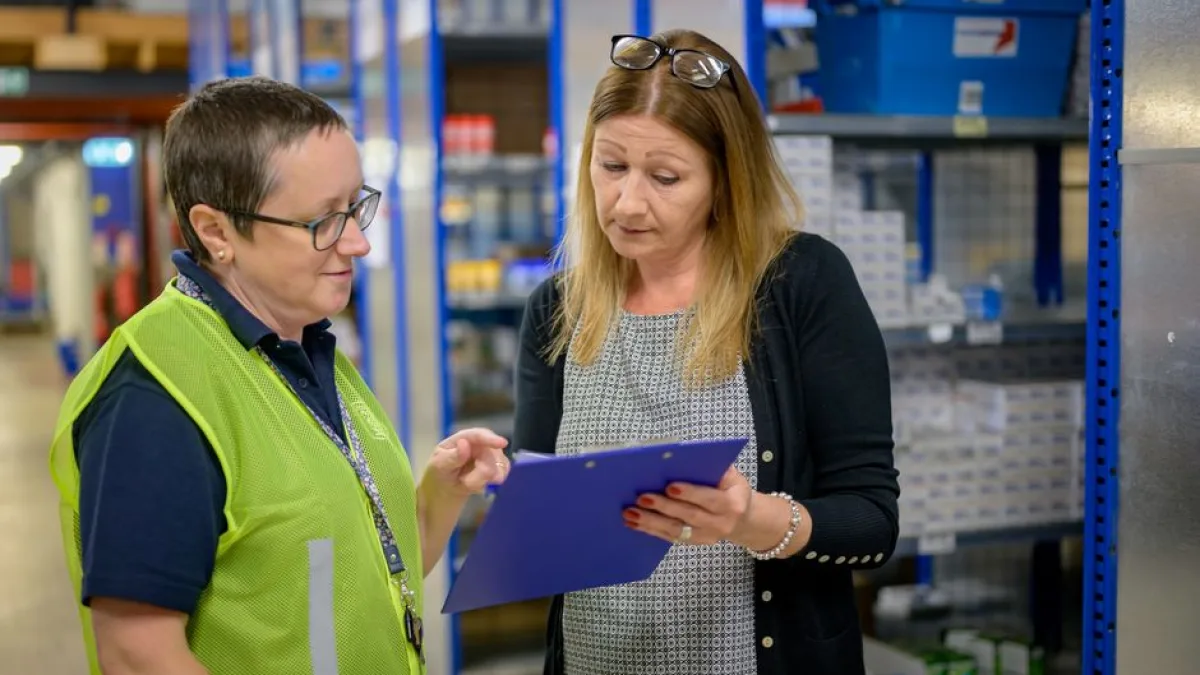
Effective communication remains the cornerstone of successful logistics management. Disjointed emails and phone calls often result in missed information or misinterpreted instructions, necessitating a move toward unified communication platforms that keep all relevant stakeholders aligned and informed.
- Unified message threads: Keep all correspondence related to a specific shipment within the software platform to ensure that every team member has full context when working.
- Internal task assignments: Assign specific responsibilities to team members directly within the shipment file to avoid confusion regarding who is responsible for each operational step.
- Standardized email templates: Create pre-built message templates for common shipment updates to save time and maintain a professional tone in every interaction with your partners.
- Collaborative note taking: Utilize shared internal notes to document special instructions or unique requirements provided by the client, ensuring everyone remains on the same page.
Consolidating communication reduces the risk of vital details slipping through the cracks during busy shipping seasons. By fostering a unified environment where information flows freely and accurately, your team operates with increased efficiency and higher morale. This structured approach to correspondence prevents the common trap of information silos and ensures that your service delivery remains consistent across every single customer shipment.
Optimizing Vendor and Carrier Relations

Strong partnerships with carriers, agents, and vendors allow for greater flexibility during market volatility. Managing these relationships through data-driven insights ensures you choose the most cost-effective and reliable options for your clients while maintaining high levels of service quality.
- Performance scorecards: Track the punctuality and pricing accuracy of your carriers to make informed decisions when selecting partners for high priority or complex shipment routes.
- Automated rate management: Store and compare carrier rate sheets within your software to quickly identify the most competitive options for every unique shipping lane request.
- Contract management tools: Set reminders for upcoming contract renewals or rate expiration dates to ensure you never miss an opportunity to renegotiate better terms with carriers.
- Consistent communication cycles: Schedule regular check-ins with your agent network to discuss operational improvements, market trends, and feedback regarding service levels during the past quarter.
Building strong vendor relationships creates a buffer against the unpredictability of the global logistics market. When you maintain organized records and clear communication with your partners, you secure better capacity and more favorable rates during peak seasons. Investing time in these professional alliances ultimately yields a more resilient supply chain that benefits your clients, improves your margins, and strengthens your market position.
Conclusion

Optimizing your freight forwarding operations requires a commitment to digital adoption and process refinement. By centralizing your data, enhancing visibility, and fostering strong carrier partnerships, you prepare your business for sustainable growth. Start implementing these best practices today to streamline your workflows, delight your clients, and achieve new levels of operational efficiency. Your path to a smarter logistics future begins with these simple steps.