Optimizing Freight Operations for Modern Forwarders
Friday, October 2 2026

The global logistics landscape is shifting rapidly as freight forwarders face unprecedented pressure to increase transparency and operational speed. To remain competitive in this digital age, professionals must move beyond manual spreadsheets and embrace integrated cloud platforms. By centralizing communication and automating repetitive documentation tasks, your team can reduce errors and improve client satisfaction significantly. This guide explores essential best practices designed to streamline your daily workflows, allowing you to focus on high-value strategic growth rather than being bogged down by administrative bottlenecks. Adapting your internal processes is the most reliable way to scale effectively in today's demanding market.
Leveraging Real-Time Tracking
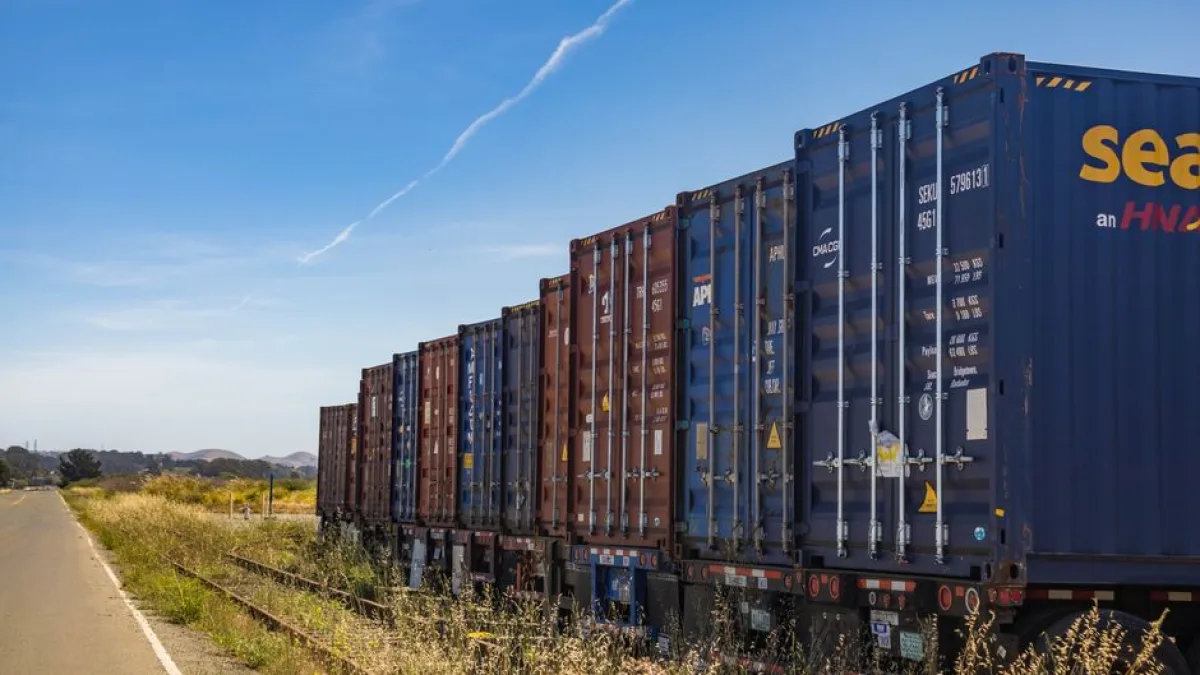
Modern visibility tools provide essential insights into cargo movement across ocean and air routes. By integrating live tracking data, your team can proactively manage exceptions before they impact clients, ensuring that every stakeholder remains informed throughout the entire shipment lifecycle.
- Proactive Exception Handling: Detect potential delays early by monitoring real-time shipment updates directly within your dashboard to resolve issues before they escalate into costly problems for your valued customers.
- Client Trust Building: Provide stakeholders with automated notifications that offer accurate status updates, which minimizes unnecessary inquiry emails and fosters a transparent relationship based on reliable data reporting.
- Data Driven Decisions: Utilize historical tracking metrics to identify recurring bottlenecks in specific transit lanes and adjust your carrier selection strategies to optimize future shipping performance and speed.
- Enhanced Operational Control: Centralize all vessel and flight data in one location to eliminate the need for switching between multiple carrier portals during your busy work day.
Adopting these tracking technologies transforms how you interact with shipping data every single day. By prioritizing visibility, you remove the guesswork from logistics management and gain a significant advantage over competitors who rely on slower, legacy systems. Consistent updates satisfy clients while providing your staff with the necessary information to make smart decisions. Start integrating these tools today to see immediate improvements in your operational efficiency.
Automating Essential Documentation

Streamlining the documentation process is critical for reducing administrative overhead and preventing compliance errors. Automating customs declarations and bills of lading ensures that your records are accurate, consistent, and audit ready, freeing up time for your team to handle complex logistics tasks.
- Error Reduction Strategies: Implement automated validation checks to catch inconsistencies in cargo details before documents are submitted to customs, which helps in preventing costly penalties and shipment delays.
- Template Management Systems: Standardize your document creation process by utilizing cloud-based templates that populate automatically with client data to save hours of repetitive manual data entry labor.
- Secure Cloud Storage: Maintain a centralized and searchable repository for all shipment documentation to ensure your staff can retrieve vital records instantly during unexpected customs or audits.
- Efficient Workflow Integration: Connect your documentation platform with your accounting system to ensure that invoicing remains accurate and linked directly to the completed shipment lifecycle for faster payment.
Efficiency relies on removing manual bottlenecks from your documentation chain. When automation handles the repetitive work, your team can concentrate on providing high-quality service for your logistics partners. These improvements reduce the risk of human error and ensure that compliance requirements are met without constant manual oversight. Investing in document automation software pays for itself through increased throughput and fewer shipping delays.
Optimizing Carrier Management
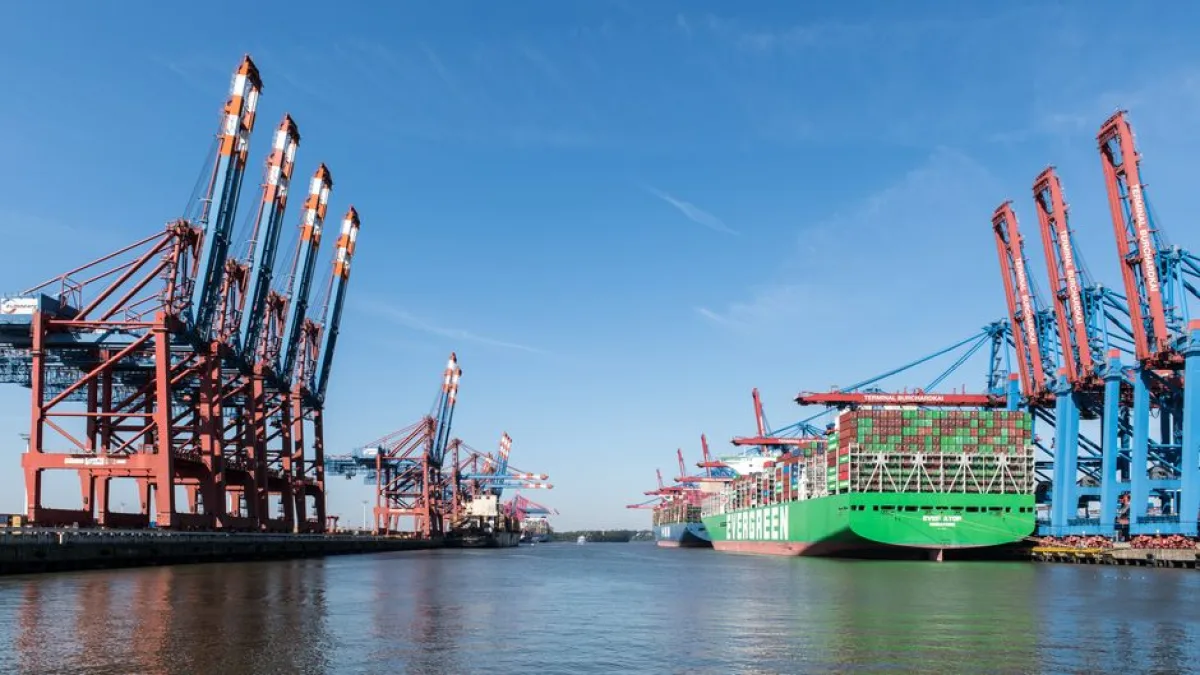
Managing carrier relationships effectively requires a balanced approach to reliability and cost performance. By maintaining a structured database of carrier performance metrics, you can negotiate better rates and ensure that your shipping partners align with your service level standards at all times.
- Performance Benchmarking Tools: Track carrier on-time performance and documentation accuracy over time to identify which partners provide the best value for your specific shipping lane requirements and budget.
- Strategic Rate Negotiation: Use historical data insights during contract renewals to negotiate competitive market rates based on your actual shipping volumes and consistent loyalty to specific carriers.
- Communication Centralization Hubs: Keep all carrier correspondence within your platform to ensure that internal teams can access historical agreements and instructions during urgent shipping exception management tasks.
- Compliance Verification Steps: Routinely audit carrier safety records and insurance credentials through your digital dashboard to protect your reputation and ensure that all logistics operations remain compliant.
Strong carrier management creates a stable backbone for your freight forwarding business. When you select partners based on measurable data rather than simple guesswork, you ensure consistent service quality for your clients. Regularly reviewing these metrics allows you to adjust your strategy as the market changes. Build your operations around reliable carriers to minimize risk and maximize the long term value of your business.
Fostering Digital Collaboration

Breaking down internal silos is essential for a productive freight forwarding office. When your sales, operations, and accounting departments share the same digital workspace, the entire organization benefits from faster information flow and significantly improved responsiveness toward your various international shipping clients.
- Departmental Data Sharing: Create a unified workspace where operations and sales teams can access the same live shipment statuses to provide unified answers to client inquiries immediately.
- Collaborative Task Management: Assign specific milestones to different team members using a shared platform to ensure that every step of the freight process is accounted for properly.
- Internal Communication Channels: Reduce reliance on scattered email threads by moving project conversations into your freight software where they remain attached to specific shipment files for reference.
- Knowledge Base Development: Build an internal library of standard operating procedures within your platform to help new hires onboard quickly and maintain consistent service quality standards daily.
Collaboration thrives when your team uses a single source of truth for all logistics activities. By aligning your staff around cloud-based tools, you foster a culture of transparency that directly impacts your service delivery. These practices prevent communication breakdowns and ensure that everyone moves in the same direction. Invest in the right collaborative technology to empower your employees and satisfy your customers.
Conclusion
Modernizing your freight forwarding operations is an ongoing process of refinement and technological adaptation. By focusing on visibility, automation, carrier management, and internal collaboration, your business will be better positioned to handle industry challenges. Start small by digitizing one core process, and then scale your improvements to build a resilient and highly efficient logistics organization that delights your clients every single day.