Optimizing Freight Operations for Modern Forwarders
Saturday, October 3 2026
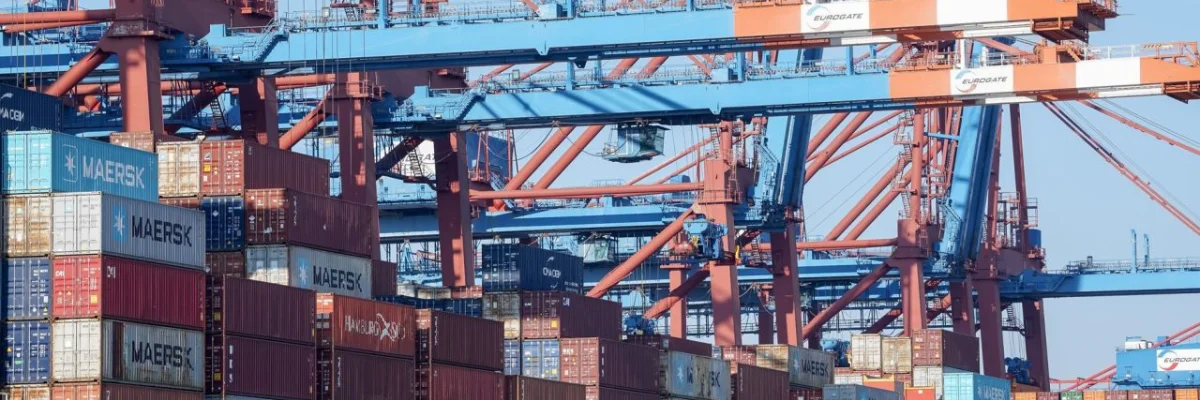
Freight forwarding is undergoing a profound digital transformation that challenges traditional workflows and operational standards. As global supply chains become increasingly complex, professionals must adopt advanced strategies to maintain transparency and efficiency throughout the shipping cycle. By leveraging cloud-based platforms and data-driven insights, forwarders can successfully mitigate risks while ensuring timely delivery for their clients. This article explores essential methodologies for modernizing your logistics operations, focusing on technological integration and strategic resource management. Implementing these practices will enable your team to handle rising shipment volumes with greater precision and agility in a highly competitive and volatile international marketplace.
Digital Documentation Management

Transitioning from paper based workflows to digitized systems is the first step toward operational excellence. By centralizing documentation, freight forwarders eliminate manual errors and ensure that critical shipment details remain accessible to all stakeholders in real time across the global network.
- Automated Data Entry: Implement OCR technology to extract information from bills of lading and commercial invoices, significantly reducing human error rates while accelerating the speed of document processing tasks.
- Centralized Cloud Storage: Maintain a single source of truth by hosting all shipment files in a secure cloud environment, ensuring seamless collaboration between dispersed teams and overseas partners.
- Compliance Tracking Tools: Utilize specialized software modules that automatically flag regulatory discrepancies, ensuring that your documentation meets international standards and avoids costly delays at various customs clearance points.
- Instant Retrieval Access: Provide your customer service team with instant access to historical and active files, allowing them to answer client inquiries immediately without searching through physical archives.
- Secure Digital Signatures: Adopt electronic signature protocols to finalize agreements and contracts rapidly, removing the logistical friction associated with printing, signing, and scanning physical documents for global partners.
Adopting a digital first strategy allows forwarders to move faster than the competition. When documents are processed through automated workflows, the likelihood of costly administrative errors decreases significantly. This shift not only improves internal productivity but also enhances the overall customer experience by providing faster turnaround times on documentation requests. Investing in these digital tools ensures your operations remain scalable and fully compliant with international trade regulations.
Real Time Cargo Visibility
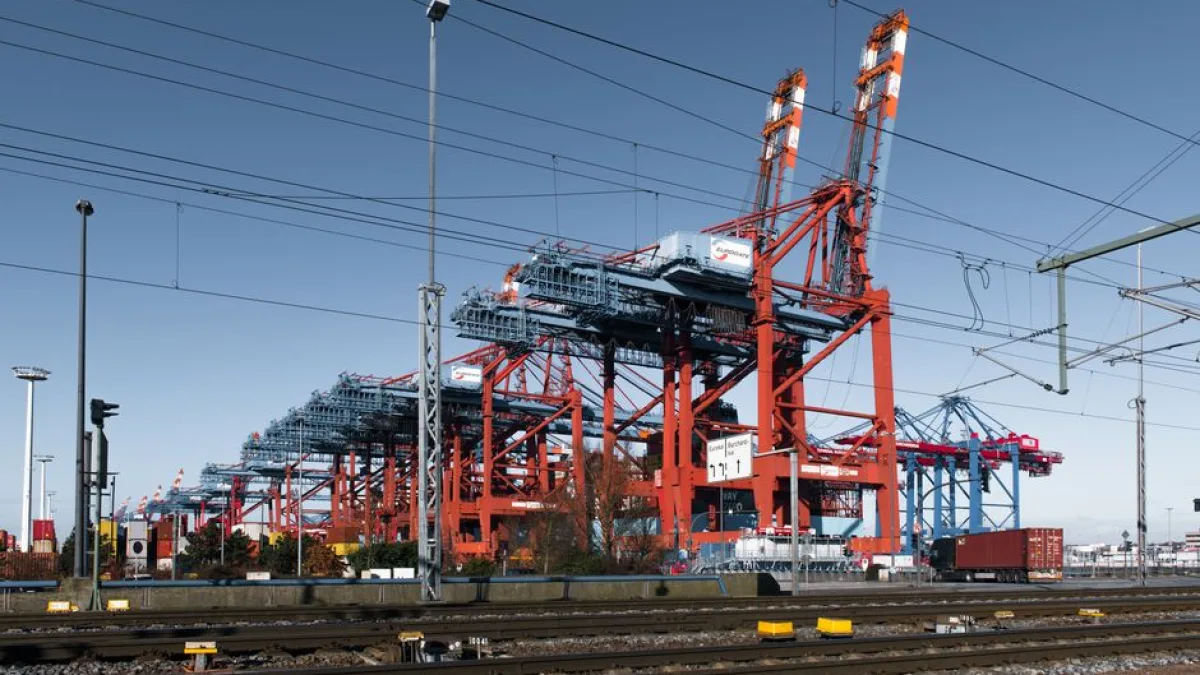
True visibility requires constant monitoring of shipment status through integrated tracking APIs. Forwarders must move beyond passive updates to provide proactive communication, ensuring that clients are informed of any potential disruptions before they impact the final delivery timeline.
- Automated Tracking Updates: Integrate direct carrier APIs to push real time status changes into your management system, providing stakeholders with accurate data without manual intervention or phone calls.
- Exception Management Alerts: Configure intelligent triggers that notify your operations team immediately when a shipment deviates from its planned route, allowing for rapid intervention and cargo rerouting.
- Transparent Client Portals: Offer your customers a dedicated dashboard where they can track their freight in real time, fostering greater trust and reducing the volume of inbound emails.
- Predictive ETA Calculations: Use historical transit data to provide clients with highly accurate delivery estimates, accounting for common port congestion and typical carrier performance trends during peak seasons.
- Geofencing Technology Tools: Utilize geofencing to receive notifications when assets arrive at specific terminals or warehouses, ensuring that your team manages ground transport handoffs with maximum efficiency and precision.
Providing granular visibility into the supply chain is a key differentiator in the modern freight industry. By moving away from manual status updates, you enable your staff to focus on solving complex logistical issues rather than repetitive status checking. This proactive approach to shipment management fosters long term client loyalty and ensures that your operations remain resilient against unexpected disruptions in the global transport network.
Streamlining Carrier Communications
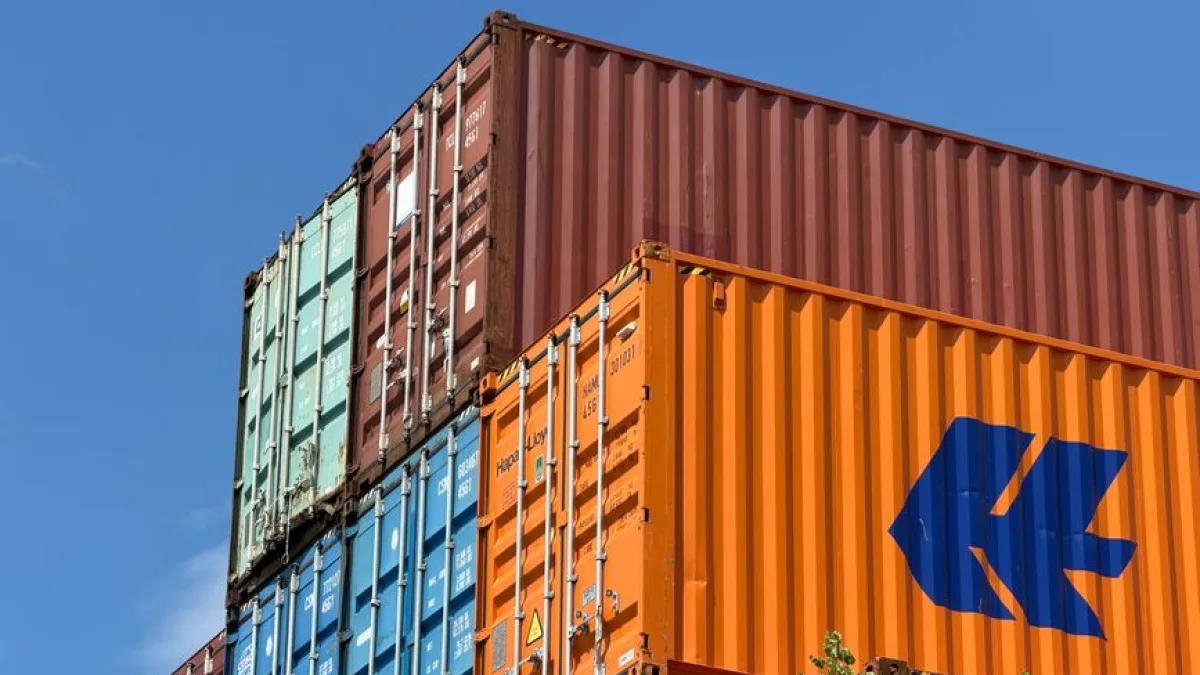
Effective collaboration with carriers is essential for seamless freight movement. Establishing standardized communication channels reduces misunderstandings and accelerates the booking process, ensuring that your forwarding business maintains strong relationships with key shipping lines and local trucking partners worldwide.
- Integrated Messaging Systems: Use platform specific messaging features to keep all communication regarding a specific booking in one place, preventing lost information across various email threads and apps.
- Automated Booking Requests: Send standardized booking requests directly through your software interface, which standardizes data collection and eliminates the need for back and forth emails during the process.
- Performance Analytics Dashboards: Track carrier performance metrics over time, such as transit reliability and booking acceptance rates, to make data driven decisions when selecting partners for future shipments.
- Unified Partner Portals: Create a portal for carriers to update their own capacity availability, ensuring your team has the most current information for planning and resource allocation.
- Dynamic Rate Negotiations: Use integrated communication tools to request and compare quotes from multiple carriers simultaneously, enabling your team to secure the most cost effective shipping options.
Strong carrier relationships are built on the foundation of clear and consistent communication. By streamlining these interactions, you reduce administrative overhead and improve your ability to negotiate favorable terms. When your team can easily exchange information with partners, the entire logistics chain operates with less friction. This focus on connectivity ultimately leads to more reliable service delivery for your clients and improved profitability.
Optimizing Warehouse Coordination

Warehouse efficiency directly impacts the speed of your forwarding services. By synchronizing your logistics software with inventory management systems, you ensure that cargo flow is optimized, storage costs are minimized, and shipment handoffs occur without unnecessary delays or errors.
- Synchronized Inventory Data: Link your forwarding platform to warehouse management software to receive automatic updates on stock arrivals, enabling faster processing for outbound domestic or international transit.
- Efficient Cross Docking: Manage cross docking operations through optimized scheduling features, allowing for direct transfer of goods and reducing the need for long term storage and handling.
- Automated Space Allocation: Use algorithms to suggest the best storage locations within your facility based on cargo size and priority, maximizing your total warehouse capacity and footprint.
- Real Time Stock Visibility: Provide warehouse staff with digital pick lists that update in real time, reducing picking errors and ensuring that the correct cargo is loaded every time.
- Integrated Safety Compliance: Digitally log all facility inspections and safety checks to remain compliant with local regulations, preventing accidents and ensuring a safe working environment for all staff.
Efficient warehouse operations are the backbone of any successful freight forwarding organization. By automating the coordination between shipping and storage, you significantly reduce the idle time of your inventory and labor resources. A well organized warehouse leads to faster processing times and fewer mistakes during the loading phase. Embracing these operational improvements will position your company for sustainable growth and increased service reliability.
Conclusion
Mastering freight operations requires a combination of smart technology and strategic process management. By focusing on document automation, shipment visibility, carrier coordination, and warehouse efficiency, your firm can thrive in a crowded market. Start evaluating your current workflows today to identify bottlenecks and implement the improvements discussed in this guide. Taking these steps will ensure your forwarding business remains competitive, efficient, and ready for future challenges.