Optimizing Freight Operations for Modern Forwarders
Sunday, October 18 2026
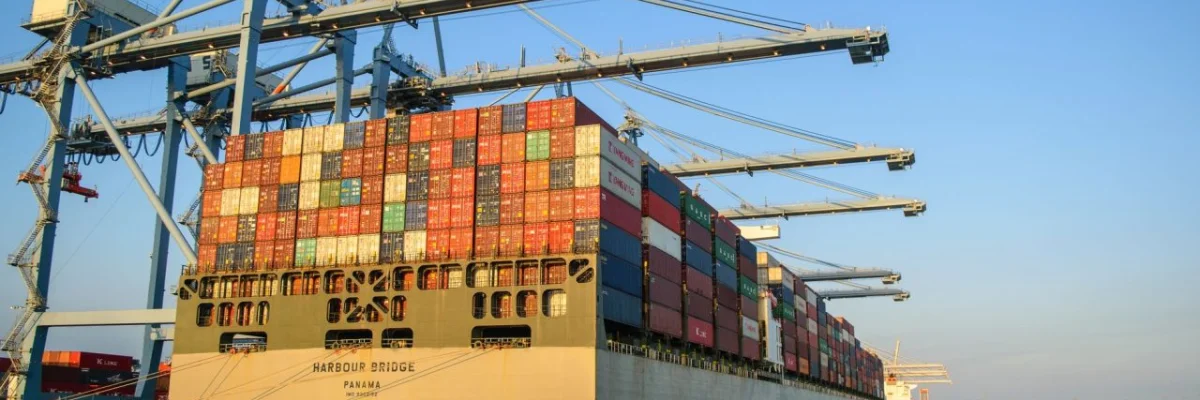
The global logistics landscape is evolving at an unprecedented pace, demanding that freight forwarders move beyond manual processes to remain competitive. Today, successful operations rely on agility, transparency, and data-driven decision making. As client expectations for real time visibility rise, freight professionals must adopt robust software solutions that harmonize communication between carriers, shippers, and internal teams. This transition is not merely about digitizing paperwork but about fundamentally transforming how freight moves across borders. By embracing cloud-native technology, your business can reduce human error, mitigate risks, and scale operations efficiently, ensuring that every shipment reaches its destination with precision and reliability.
Mastering Digital Documentation

The digitization of shipping documents replaces cumbersome manual data entry with automated workflows. By utilizing smart platforms, forwarders ensure accuracy, reduce processing times, and facilitate faster customs clearance. This foundational step is critical for maintaining high efficiency throughout the supply chain.
- Automated Data Capture: Modern software leverages optical character recognition to extract key information from shipping documents automatically, which minimizes human input and reduces the frequency of costly clerical errors.
- Centralized Cloud Repository: Storing all vital logistics documentation within a secure cloud environment ensures that authorized stakeholders can access necessary files from any location around the world instantly.
- Real Time Validation: Advanced systems perform automatic checks on document fields to ensure compliance with international shipping regulations before documents are submitted to customs or port authorities.
- Instant Sharing Protocols: Seamless digital integrations allow forwarders to share bills of lading and commercial invoices with partners securely without relying on legacy email or physical mail.
Transitioning away from physical folders significantly boosts internal team productivity while ensuring complete audit trails. When every team member accesses the same digital source of truth, communication breakdowns become a relic of the past. Investing in these digital documentation tools serves as the cornerstone for a scalable operation that grows alongside your customer base while maintaining superior standards of data integrity.
Enhancing Cargo Visibility
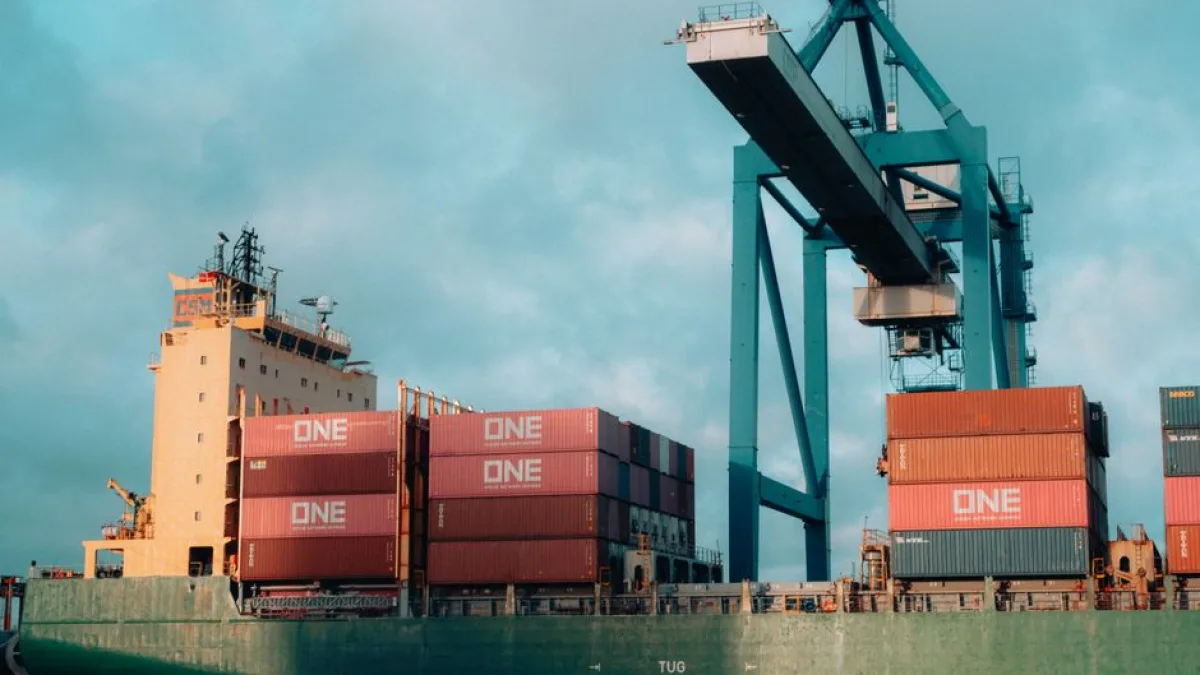
Real time tracking is no longer a luxury for shippers but a standard operational requirement. Providing clients with live updates on their shipments improves trust and reduces inquiry volumes, allowing your staff to focus on solving complex logistical challenges instead.
- Live Shipment Tracking: Integrating GPS data feeds directly into your dashboard allows operations teams to monitor container locations and transit status without manual check-ins with individual carriers.
- Predictive Milestone Alerts: Intelligent platforms send automated notifications to clients when milestones are achieved or when unexpected delays occur, which proactively manages customer expectations during transit disruptions.
- Carrier Portal Integration: Connecting your internal software directly to carrier APIs pulls updated scheduling information automatically, ensuring that the visibility data remains accurate and completely up to date.
- Customized Client Dashboards: Providing customers with a branded web portal empowers them to self-service their tracking needs, which significantly lowers the administrative burden on your busy customer support team.
Visibility serves as the primary currency in the logistics market today. By offering granular insights into the supply chain, forwarders establish themselves as reliable partners capable of navigating volatile environments. This transparency not only helps in retaining existing clients but also acts as a powerful selling point when acquiring new business in a saturated and highly demanding global market.
Streamlining Carrier Communications
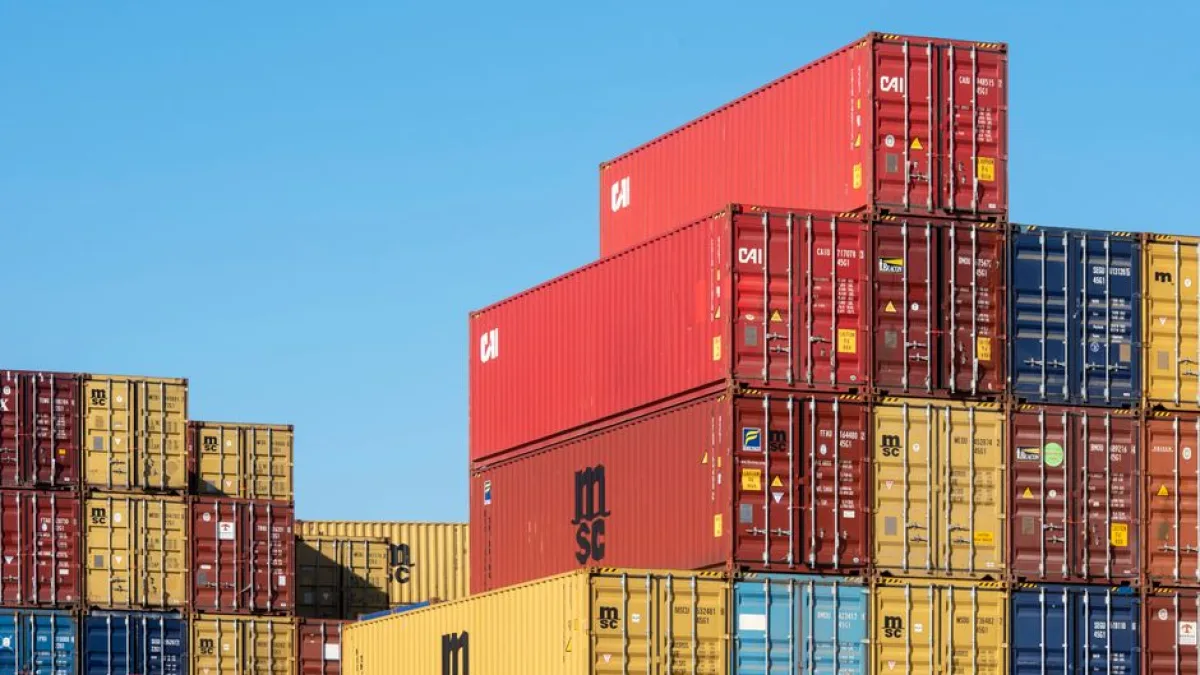
Effective collaboration with carriers is the heartbeat of a thriving freight forwarding business. Establishing efficient digital communication channels ensures that space bookings, rate negotiations, and schedule changes are managed with professional efficiency and complete clarity for all involved parties.
- Integrated Booking Requests: Digital platforms allow forwarders to submit space requests directly to ocean or air carriers, eliminating the need for fragmented email chains and manual booking confirmations.
- Standardized Rate Management: Centralizing carrier contracts within a digital database makes it easy to compare quotes and select the most cost effective routing options for specific shipments.
- Automated Status Updates: Systems that trigger automatic requests for updates from carriers ensure your team is never caught off guard by sudden port closures or vessel schedule changes.
- Collaboration Audit Trails: Maintaining a comprehensive log of all communications with carriers provides clarity during disputes or service failures, which helps in holding partners accountable for performance.
Strong carrier relationships are built on the back of seamless information exchange. When your operations platform handles the heavy lifting of communication, the risk of misinterpretation or lost messages vanishes. This reliability forces carriers to view your business as a professional entity that demands respect, ultimately leading to better service levels and more favorable terms during challenging peak season periods.
Automating Financial Workflows

Financial health determines the longevity of any forwarding operation. Automating invoicing, billing, and expense reconciliation minimizes revenue leakage and improves cash flow, allowing owners to reinvest in business growth rather than chasing payments or correcting accounting discrepancies manually.
- Seamless Invoice Generation: Software automatically creates professional invoices based on shipment data, ensuring that charges are applied correctly and payments are requested according to agreed credit terms.
- Automated Cost Reconciliation: Comparing carrier invoices against original shipment quotes allows systems to flag discrepancies immediately, which protects profit margins from hidden fees or erroneous overcharges by vendors.
- Integrated Payment Gateways: Enabling clients to pay for services through secure online portals accelerates the revenue collection cycle and improves overall cash flow for the logistics business.
- General Ledger Syncing: Connecting your logistics software directly to accounting tools eliminates redundant data entry, ensuring that financial records remain accurate and compliant for tax and audit purposes.
Optimizing the financial side of your freight operations is essential for scaling a business profitably. By removing the friction from billing and payment cycles, your team gains more time to focus on strategic growth and relationship building. Sound financial automation provides a stable foundation that allows you to weather economic fluctuations while maintaining a healthy bottom line for the company.
Conclusion

Modernizing your freight operations is a strategic imperative in today fast paced industry. By integrating digital documentation, visibility tools, carrier communication, and financial automation, you build a resilient business that thrives. Start your digital transformation journey today to improve client satisfaction and operational efficiency. MakeCargo provides the cloud based tools you need to stay ahead and successfully navigate the future of global logistics.