Optimizing Freight Operations for Modern Forwarders
Thursday, October 22 2026
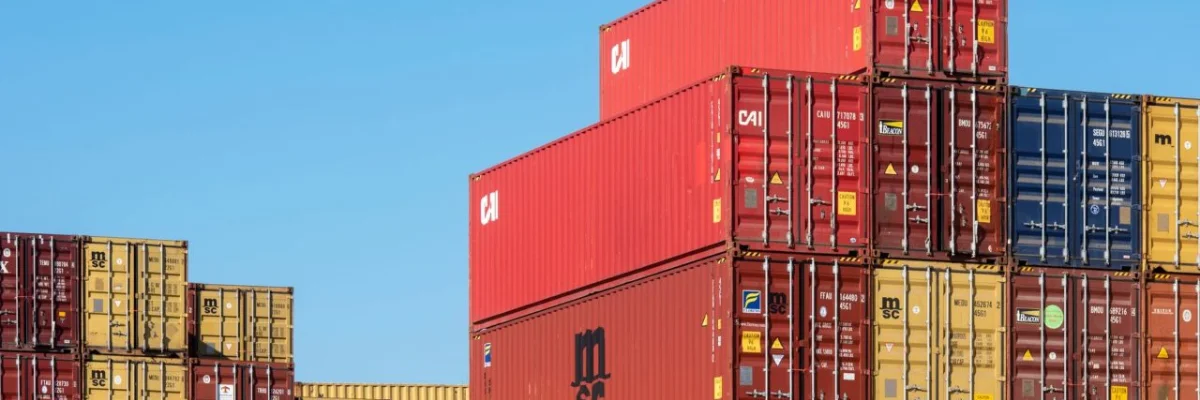
Modern freight forwarding is an increasingly complex landscape that requires precision, speed, and absolute clarity. As supply chain volatility becomes the new standard, professionals must transition from legacy manual processes to integrated digital solutions to maintain competitive advantages. By leveraging cloud-based platforms, forwarders can synchronize global operations, minimize human error, and provide clients with the real-time visibility they demand. This shift does not only improve internal efficiency but also fosters trust with shippers who need reliable data at their fingertips. Embracing technology is no longer an optional upgrade, but a fundamental requirement for any firm serious about long-term growth and success.
Digital Documentation Efficiency

Streamlining the documentation process is vital for reducing administrative friction and clearing shipments through customs faster. Digital platforms replace bulky paper files with searchable cloud storage, ensuring that compliance teams can verify paperwork instantly while maintaining strict security standards for all sensitive cargo information.
- Automated Data Entry: Implement smart parsing tools to extract information from invoices and packing lists automatically, which saves your team hours of repetitive manual typing and reduces costly input errors.
- Centralized Cloud Storage: Maintain a single source of truth by storing all shipping documents in one accessible location, allowing team members to collaborate across global time zones seamlessly.
- Compliance Tracking Tools: Utilize built-in validation checks that flag missing fields or regulatory inconsistencies before a shipment departs, preventing delays and hefty fines from local customs authorities.
- Secure Client Portals: Provide your customers with a dedicated access point to upload their own documents, fostering transparency and reducing the endless back and forth of email communications.
By moving your document workflow into a centralized digital environment, you effectively eliminate the common bottlenecks that stall cargo movement. Your staff will spend less time managing files and more time solving complex logistical challenges for your clients. This strategic shift not only accelerates your throughput but also elevates your service standard by delivering consistent results in an increasingly fast-paced global market environment.
Real-time Cargo Visibility
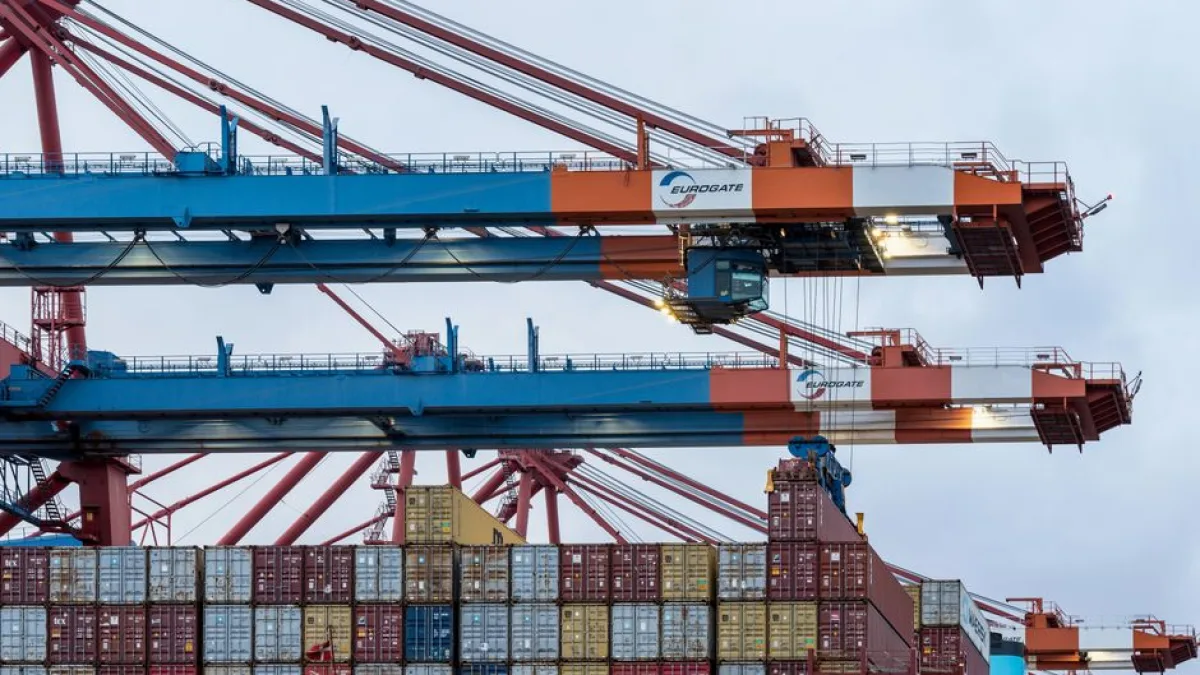
Providing clients with live updates is the hallmark of a premier freight forwarding firm. Modern tracking integration allows you to monitor assets across multi-modal journeys, giving you the ability to manage exceptions proactively rather than reacting to delays after they have already occurred.
- Live Tracking Integration: Connect your platform with carrier APIs to pull automated status updates, ensuring that every stakeholder remains informed about the exact location of their goods.
- Proactive Exception Management: Receive instant alerts when a shipment encounters a delay, allowing you to notify clients immediately and propose viable alternative routes to keep cargo moving.
- Customizable Client Dashboards: Offer shippers a branded interface where they can view the real-time status of their shipments without needing to contact your operations team directly.
- Predictive Arrival Forecasting: Leverage historical data and current transit conditions to provide your clients with accurate estimated arrival times, which helps them better plan their inventory management.
Visibility serves as the bedrock of your customer service strategy in the modern era. When clients can see the progress of their cargo on demand, their trust in your brand grows significantly. This transparency reduces anxiety and allows your team to focus on proactive communication, ultimately turning a standard shipping service into a reliable partnership that keeps your business thriving and ahead.
Optimizing Freight Costing

Accurate freight costing is essential for maintaining healthy profit margins in a fluctuating market. Utilizing automated quote generation tools allows your team to compare carrier rates instantly and select the most cost-effective path without sacrificing transit speed for your diverse customer base.
- Instant Quote Generation: Equip your sales team with automated tools that calculate shipping costs based on current market rates, ensuring your quotes remain competitive and accurate at all times.
- Carrier Performance Analysis: Compare carrier rates and reliability scores side by side to choose the best partners, which helps you maximize your profit margins while ensuring service quality.
- Dynamic Pricing Updates: Adjust your pricing structures in real time based on fuel surcharges and seasonal fluctuations, protecting your margins against unpredictable changes in the global freight market.
- Profit Margin Tracking: Monitor the profitability of every shipment through integrated financial dashboards, identifying which lanes or services offer the highest return on your operational investment efforts.
Managing costs effectively requires a data-driven approach that looks at the entire financial picture of every shipment. When your team can identify the most economical routes while balancing carrier performance, your business becomes significantly more resilient. Staying updated with dynamic pricing ensures that you never leave money on the table, keeping your firm profitable even during periods of heavy market volatility and competition.
Fostering Strong Carrier Relationships

Building strong connections with carriers is the secret to securing capacity during peak seasons. A professional forwarding operation relies on solid digital communication channels that make it easy for partners to accept jobs and update statuses, ensuring that your network remains highly responsive and reliable.
- Streamlined Booking Requests: Send standardized digital booking requests to your carrier network, which reduces confusion and ensures that all necessary shipping requirements are clearly communicated from the very start.
- Performance Metric Dashboards: Evaluate your carriers based on their transit time reliability and communication responsiveness, using this data to nurture top-performing partnerships that benefit your entire supply chain.
- Digital Communication Hubs: Facilitate clear dialogue through integrated messaging platforms that keep all correspondence related to a specific shipment attached to the record for future reference and accountability.
- Automated Payment Processing: Simplify the settlement process by integrating your accounting systems, ensuring carriers are paid promptly for their services and encouraging loyalty throughout the busy shipping seasons.
Strong relationships act as a buffer during supply chain disruptions and capacity shortages. By providing your carriers with user-friendly digital tools and timely payments, you become a preferred partner in their network. This loyalty ensures that you get better priority and communication during tight market conditions, which is a major advantage that keeps your logistics operations running smoothly despite any external global pressures.
Conclusion
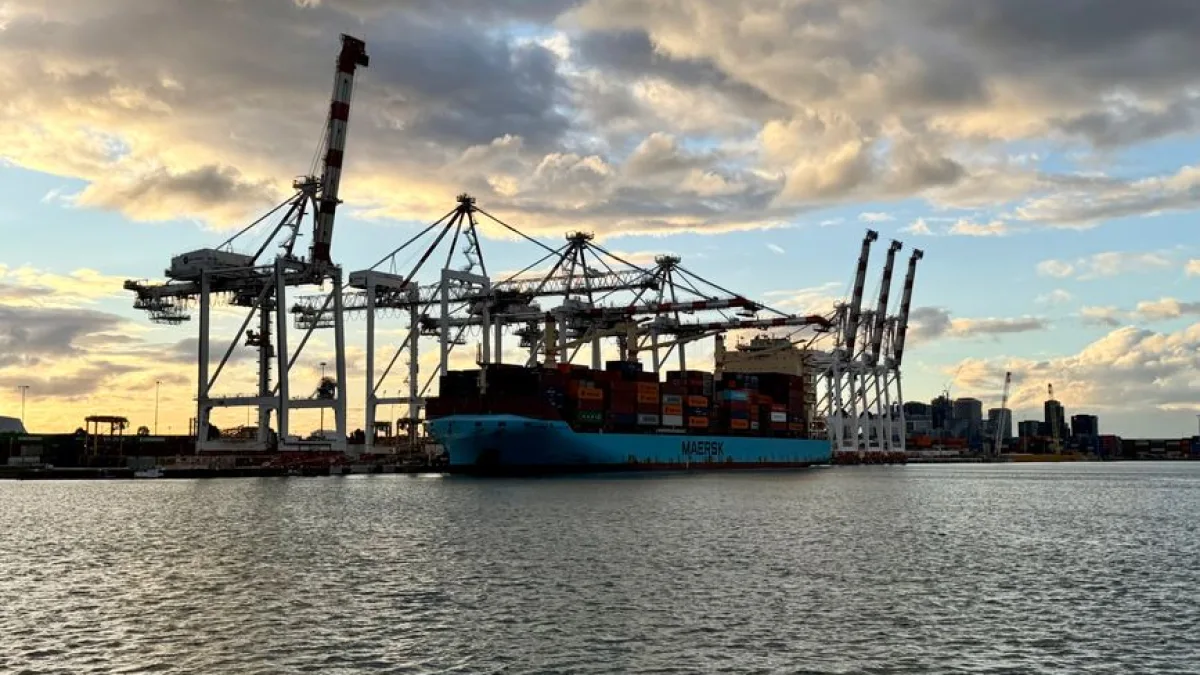
Success in the freight industry depends on your ability to leverage technology for greater efficiency and transparency. By adopting these best practices, you empower your team to focus on high-level problem solving rather than administrative tasks. Start your digital transformation today to improve your service reliability, optimize your operational costs, and solidify your reputation as a forward-thinking leader in the global logistics marketplace.