Optimizing Freight Operations for Modern Forwarders
Friday, October 30 2026
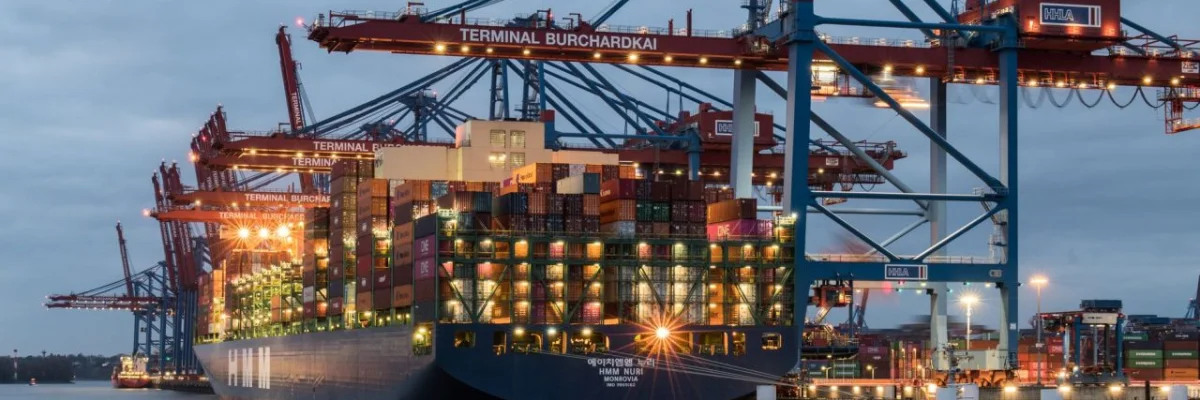
The global logistics landscape is undergoing a massive transformation driven by rapid technological advancements and increasing demands for supply chain transparency. Freight forwarders are no longer just intermediaries moving goods from point A to point B. Instead, they act as critical architects of supply chain resilience, requiring sophisticated tools to manage complex documentation, communication flows, and multi-modal transit requirements. By embracing cloud-based platforms like MakeCargo, forwarders can eliminate manual bottlenecks, reduce errors in data entry, and gain real-time visibility that keeps clients informed. Transitioning toward digital-first operations ensures your firm stays competitive in an increasingly fragmented, fast-paced global market.
Digitizing Documentation Workflows

Effective document management remains the backbone of successful freight operations. By automating the capture and processing of bills of lading and commercial invoices, teams avoid the tedious manual errors that often delay clearance and disrupt the entire transit schedule for global shipments.
- Automated Data Extraction: Use advanced recognition software to pull critical data points from shipping documents directly into your dashboard, significantly reducing the time spent on manual data entry tasks.
- Centralized Document Repository: Maintain a secure cloud-based library where all shipping records are stored, making it easier for authorized team members to retrieve critical files during customs audits.
- Standardized Filing Protocols: Implement uniform digital templates across your entire organization to ensure every shipment file follows the same structure, improving internal clarity and reducing confusion during high-volume periods.
- Real-time Error Validation: Deploy smart systems that flag missing signatures or mismatched cargo details immediately upon document upload, ensuring your team fixes discrepancies before the paperwork reaches port authorities.
Digital transformation significantly reduces the time wasted on administrative overhead. By centralizing documentation, your team spends less time searching for files and more time delivering value to clients. This shift not only accelerates customs clearance times but also minimizes the risk of costly penalties caused by clerical errors. Embracing these automated workflows is the most effective way to improve operational accuracy throughout your logistics network.
Enhancing Real-time Shipment Visibility

Providing clients with live updates on their cargo status is essential for maintaining trust in a volatile market. Modern tracking solutions bridge the communication gap, turning raw status signals into actionable intelligence that empowers proactive decision-making for your logistics team.
- Live Tracking Integration: Connect your operations platform directly with carrier APIs to receive automatic status updates on vessel movements, ensuring your clients always know their cargo location.
- Automated Status Alerts: Configure personalized notification triggers that send instant email or SMS updates to stakeholders whenever a shipment reaches a milestone or faces an unexpected transit delay.
- Predictive Arrival Forecasting: Utilize data analytics to calculate estimated arrival times with higher precision, allowing your clients to adjust their warehousing schedules based on accurate, real-time logistics intelligence.
- Interactive Client Dashboards: Provide your customers with a secure login portal where they can monitor their shipments, view transit history, and download reports without contacting your support team.
Visibility is the new currency of the freight forwarding industry. When clients gain instant access to their cargo data, their confidence in your services grows exponentially. By leveraging automated tracking tools, you reduce the volume of inbound status inquiries, allowing your staff to focus on solving complex logistical challenges. This proactive approach to visibility is what sets market leaders apart from traditional, reactive forwarding firms.
Streamlining Carrier Communication

Coordinating with multiple carriers across different time zones often leads to fragmented communication channels. A unified messaging hub keeps every party aligned, preventing misinterpretations and ensuring that transit instructions are executed correctly across every leg of the global journey.
- Unified Messaging Hub: Consolidate all carrier emails, internal notes, and chat threads into one shipment-specific thread, preventing critical information from being lost in overflowing personal company inboxes.
- Standardized Booking Requests: Create templates for rate inquiries and bookings that include all necessary specifications, ensuring your partners have clear requirements to provide accurate and fast quotes.
- Collaborative Task Management: Assign specific follow-up actions to team members or external vendors within your software platform to maintain accountability throughout the entire freight forwarding lifecycle process.
- Integrated Partner Portals: Allow vetted carriers to upload their own PODs and transit logs directly into your system, reducing the need for back-and-forth emails and phone calls.
Efficient communication is the silent driver of profitability in freight logistics. When information flows seamlessly between forwarders and carriers, transit times stabilize and operational costs decline. Removing friction from the booking and coordination phases allows your team to manage more shipments with higher precision. Investing in communication tools is essential for maintaining agility and responsiveness in a modern, highly interconnected supply chain environment.
Optimizing Warehouse Inventory Control

Integrating freight operations with inventory management ensures that stock levels always align with incoming shipments. This synergy prevents cargo congestion and allows for better space utilization, which is vital for maintaining a healthy profit margin in the storage sector.
- Inventory Syncing Tools: Synchronize your freight tracking data with warehouse stock logs to ensure that your records reflect the most current cargo movements inside the distribution center.
- Space Utilization Metrics: Generate visual reports that analyze how effectively your current warehouse space is used, helping you optimize storage layouts for faster loading and unloading of goods.
- Batch Processing Controls: Group items by SKU or destination to streamline the picking and packing process, reducing the time your staff spends moving cargo around the storage facility.
- Automated Reorder Points: Establish digital alerts that notify the team when inventory levels drop below a defined threshold, ensuring your business never misses a customer demand cycle.
Warehouse efficiency is directly linked to the success of your freight operations. When your storage systems communicate effectively with your shipping software, you eliminate duplicate data entries and reduce the risk of stock inaccuracies. This integration creates a smooth transition from arrival at the port to storage and final distribution. A well-optimized warehouse operation is a cornerstone of a truly scalable logistics business.
Conclusion

Mastering freight operations requires a balance of advanced technology and strategic workflow design. By digitizing documentation, enhancing visibility, centralizing communication, and optimizing inventory, your forwarding business can achieve new levels of efficiency. Start implementing these cloud-based solutions today to save time and increase your service quality. Your commitment to operational excellence today will secure your position as a trusted partner in the global supply chain.