Optimizing Freight Operations for Modern Forwarding
Saturday, September 19 2026

Freight forwarders face unprecedented pressure in today's global supply chain. Manual processes and siloed communication channels often create bottlenecks that hinder growth and reduce operational efficiency. By leveraging cloud-based platforms like MakeCargo, logistics professionals can centralize their workflows and gain real-time visibility into shipments across the globe. Transitioning to a digitized infrastructure not only minimizes human error but also empowers teams to focus on high-value strategic decision-making rather than repetitive data entry. Modernizing your freight operations is no longer just a competitive advantage, it is an essential requirement for survival in a volatile and fast-moving international logistics market.
Automating Shipment Documentation

Streamlining the documentation process is the foundation of efficient freight management. Reducing manual input through automation minimizes errors and accelerates processing times, ensuring that your documentation remains accurate and compliant throughout the complex international shipping cycle for your valued customers.
- Reduce manual errors: Automating data extraction from invoices and bills of lading significantly lowers the risk of human input mistakes that frequently lead to costly delays and penalty fees.
- Speed up processing: Digital platforms allow your team to generate and transmit necessary customs documentation instantly, reducing the typical wait times associated with traditional paper-based freight workflows.
- Ensure compliance accuracy: Integrated software solutions update automatically to reflect current international trade regulations, helping your team maintain total compliance across every shipment and avoid border control complications.
- Centralized document storage: Keeping all shipment files in a unified cloud repository makes retrieving critical records effortless, saving valuable time during audits or routine client status update requests.
By shifting away from legacy paper systems, your firm can drastically reduce the administrative burden on your employees. Automated document management creates a seamless flow of information from the initial booking request to the final delivery confirmation. This transition allows your staff to dedicate more time to complex logistics problem-solving rather than searching through endless folders for missing or outdated shipping paperwork.
Enhancing Real-Time Cargo Visibility
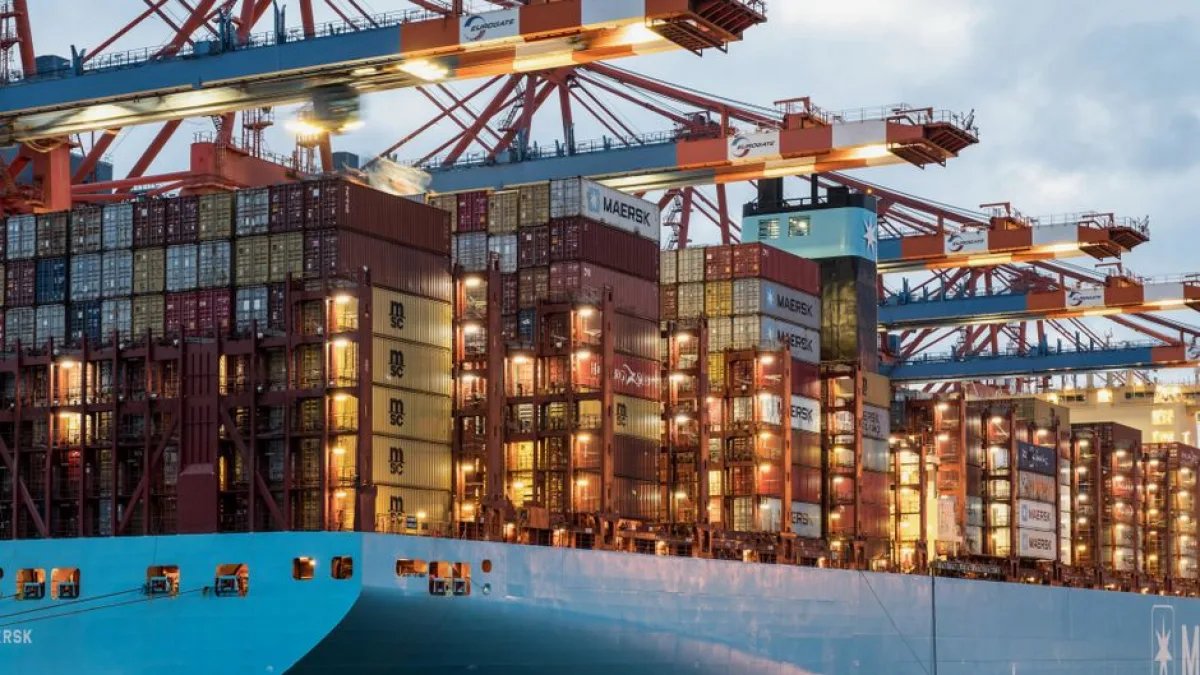
Visibility is the core requirement for modern freight customers. Providing transparent, real-time updates regarding shipment status builds trust and long-term loyalty. Utilizing integrated tracking technology ensures that every stakeholder remains informed, effectively reducing the volume of manual status inquiries directed at your operations team.
- Live location monitoring: GPS integration provides precise shipment location data at every stage of the transit, enabling your team to proactively address potential delays before they escalate.
- Automated status alerts: Configure customized notifications that reach clients automatically when shipments reach key milestones, keeping them informed without requiring manual intervention from your customer service department.
- Optimized transit routes: Real-time visibility allows logistics planners to make data-driven decisions when selecting carriers, ensuring that goods move through the most reliable and efficient paths available.
- Improved carrier management: Monitor the performance of your transport partners through tracked milestones, allowing you to hold providers accountable while selecting the best options for future movements.
Transparent communication is the most effective tool for managing client expectations in the freight industry. By offering a digital portal where customers can check shipment status themselves, your team can eliminate hundreds of repetitive status emails. This proactive approach to visibility strengthens your professional reputation and ensures that your operations remain resilient even when faced with unexpected disruptions in the global logistics network.
Streamlining Communication Workflows

Disconnected communication channels are a primary source of operational inefficiency in logistics. By consolidating all messages, internal notes, and client interactions within a single freight management platform, teams can ensure that everyone stays aligned, preventing costly miscommunications and ensuring a consistent service experience throughout.
- Integrated messaging tools: Unified communication platforms keep conversations tied directly to specific shipment files, ensuring that context is never lost during handovers between different team members or departments.
- Internal team notes: Providing a dedicated space for internal comments ensures that vital shipment details remain visible to all staff, preventing the need for separate email chains.
- External client portals: Secure client portals allow customers to ask questions or request updates directly, keeping all external communications organized and searchable within the central software system.
- Standardized response templates: Using pre-built templates for common inquiries helps your staff respond to client requests rapidly, ensuring consistency in your brand voice and service delivery standards.
Effective communication reduces the friction that often exists between freight forwarders, carriers, and shippers. When information is centralized, your team spends less time hunting for the latest status updates and more time providing high-quality support to your clients. This operational cohesion is critical for maintaining high standards of service while scaling your operations to handle higher volumes of global freight across various modes.
Leveraging Advanced Data Analytics

Data is the most valuable asset in modern freight forwarding. By analyzing operational metrics, forwarders can identify hidden inefficiencies, forecast future capacity needs, and optimize pricing strategies to maximize profitability. Transforming raw shipment data into actionable business intelligence is a key step toward sustainable growth in a competitive logistics industry.
- Monitor performance metrics: Analyze key performance indicators like transit times and carrier reliability to identify which partners are delivering the best value for your logistics operation today.
- Identify cost trends: Track historical spending patterns to negotiate better rates with carriers and identify opportunities for consolidation, which can significantly improve your overall profit margins annually.
- Demand forecasting accuracy: Predictive analytics help your team anticipate seasonal fluctuations in cargo demand, ensuring that you have the necessary capacity and resources aligned before the busy seasons.
- Profitability per shipment: Detailed reporting dashboards allow you to evaluate the margin of each individual move, helping your management team prioritize high-value lanes and optimize your services.
The ability to derive insights from your shipping history is what separates market leaders from stagnant operations. When you use data to drive your decision-making, you eliminate the guesswork often associated with capacity planning and carrier selection. This strategic use of information enables your firm to become more agile, responsive, and profitable, positioning your brand as a preferred logistics partner in the global market.
Conclusion

Successful freight operations rely on the intelligent integration of technology to simplify complex logistics challenges. By automating documentation, enhancing cargo visibility, streamlining communications, and using advanced data analytics, your firm can achieve a significant competitive advantage. Embracing cloud-based solutions like MakeCargo empowers your team to deliver superior service, optimize performance, and drive sustainable growth in the fast-paced global landscape of modern freight forwarding.