Optimizing Freight Operations for Modern Forwarding
Thursday, September 24 2026

Modern freight forwarding requires a delicate balance between managing complex logistics networks and ensuring timely delivery for global clients. As market volatility increases and customer expectations shift toward total transparency, freight professionals must leverage advanced digital tools to maintain a competitive edge. By moving away from fragmented manual workflows and embracing unified cloud platforms, forwarding agencies can eliminate bottlenecks and improve communication across the entire supply chain. This transition not only enhances operational efficiency but also drives sustainable growth in an increasingly crowded global market, ultimately securing long term success for your logistics business.
Digitizing Freight Documentation

Transitioning from paper based systems to automated digital documentation reduces processing errors and ensures that essential paperwork reaches customs authorities without delay. Digital tools provide a single source of truth for all shipping documents, enabling teams to access critical data instantly.
- Reduced processing errors: Automated document generation minimizes manual input mistakes, ensuring that shipping bills and invoices are consistently accurate while preventing costly delays during the customs clearance process for shipments.
- Centralized data storage: Keeping all vital documentation in a cloud platform ensures that team members can access real time data from any location, improving collaboration and information transparency.
- Faster audit cycles: Digital logs allow for rapid retrieval of historical records, making it easier for your team to perform internal audits and comply with international shipping regulations.
- Improved security protocols: Encrypted digital storage protects sensitive client information against unauthorized access, providing peace of mind while maintaining compliance with modern data privacy standards for global trade.
Adopting a digital first approach effectively transforms how your firm handles documentation. By replacing manual entry with integrated cloud solutions, your staff spends less time chasing files and more time focusing on high value client relationships. This shift reduces overhead costs while significantly improving the speed of your documentation cycle, which is essential for staying ahead in today's fast moving global freight logistics market.
Streamlining Carrier Communications
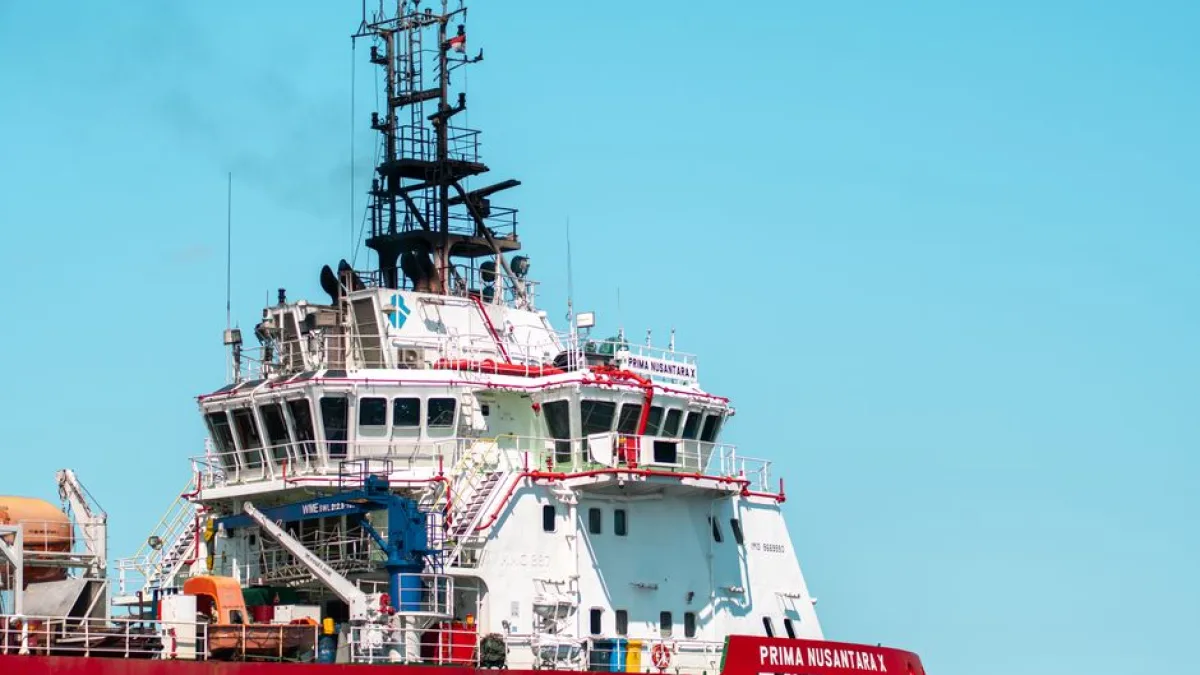
Clear communication between freight forwarders and carrier partners is the backbone of successful logistics management. By utilizing unified digital platforms, forwarders can automate status updates and coordination tasks, ensuring that every participant remains informed throughout the duration of a transit.
- Automated status tracking: Real time alerts keep both your internal team and your clients updated on cargo movements, removing the need for frequent manual status check phone calls.
- Unified messaging portals: Centralized communication channels prevent important emails from being lost, keeping all correspondence in one place for better accountability and easier record keeping for every shipment.
- Carrier performance metrics: Tracking communication speed and reliability helps you identify the best carrier partners, allowing you to optimize your logistics network based on actual data performance.
- Enhanced partner collaboration: Shared workspaces allow your team and carriers to resolve booking issues or schedule changes instantly, which prevents costly misunderstandings that lead to cargo delivery delays.
Seamless communication ensures that your logistics operations remain agile even during periods of heavy disruption. By leveraging integrated tools, your team avoids the common pitfalls of email chains and missed updates. This proactive communication strategy allows for better exception management and improves overall service quality, ultimately strengthening your reputation as a reliable forwarder who always meets demanding customer delivery deadlines and expectations.
Leveraging Real Time Tracking
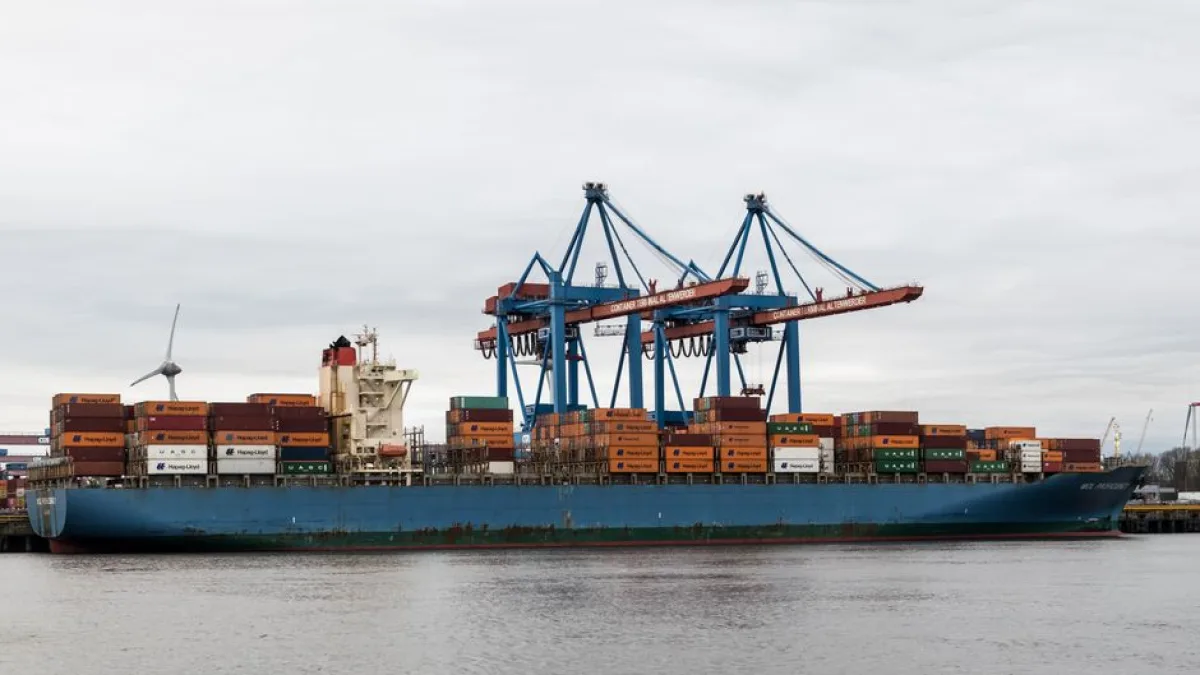
Modern clients demand exact visibility over their cargo at all times during the transit process. Providing real time tracking capabilities is no longer a luxury but a fundamental necessity for freight forwarders aiming to build long term client loyalty.
- Proactive disruption management: Real time visibility allows your logistics team to spot delays before they escalate, providing you with ample time to reroute shipments and inform your customers.
- Improved client transparency: Automated customer portals allow your clients to view their shipment progress independently, which reduces the workload on your customer support and operations staff.
- Dynamic route optimization: Utilizing satellite tracking data helps identify faster routes, which can significantly decrease transit times and lower total fuel expenses for your long haul shipments.
- Accurate delivery estimates: Data driven arrival forecasts improve your ability to set expectations, ensuring that your clients have the accurate information needed to plan their warehouse operations.
Real time tracking tools empower your business to deliver superior service that stands out from the competition. By offering deep insights into cargo status, you build trust and confidence with your clients. This technological investment directly translates into higher retention rates and more referrals, proving that visibility is a key driver for business growth in the competitive world of international freight logistics.
Automating Financial Workflows

Automating financial workflows is critical for maintaining cash flow health and reducing the time spent on manual invoicing. By integrating billing directly with your operations platform, you can ensure that every charge is accounted for and processed with precision.
- Faster invoicing cycles: Generating invoices immediately upon shipment completion improves your cash conversion cycle, ensuring that you receive payments from your global clients much faster than before.
- Automated cost reconciliation: Integrated systems automatically match carrier costs against customer quotes, highlighting discrepancies instantly to prevent profit leakage and maintain healthy margins on every single shipment.
- Multi currency support: Managing international freight requires handling diverse currencies, and automated platforms simplify these calculations to ensure accurate billing across all your global operations and partners.
- Simplified tax compliance: Automated tax calculations ensure that your invoices meet the specific requirements of every country involved in the shipment, reducing the risk of costly penalties.
Financial automation provides the clarity needed to make informed decisions about your logistics business growth. When administrative tasks like invoicing and reconciliation are handled automatically, your team can focus on scaling your service offerings. By minimizing human error in your financial processes, you protect your bottom line and ensure consistent profitability, which remains the ultimate goal for every professional freight forwarding enterprise.
Conclusion

Implementing robust freight management software is the most effective way to optimize your operations. By digitizing documentation, improving communication, leveraging tracking, and automating finances, your business will thrive in a complex global environment. Start integrating these modern solutions into your daily workflow today to streamline your logistics, increase profitability, and provide unmatched service to your valued customers across the entire global supply chain.