Optimizing Freight Operations for Modern Forwarding
Tuesday, September 29 2026
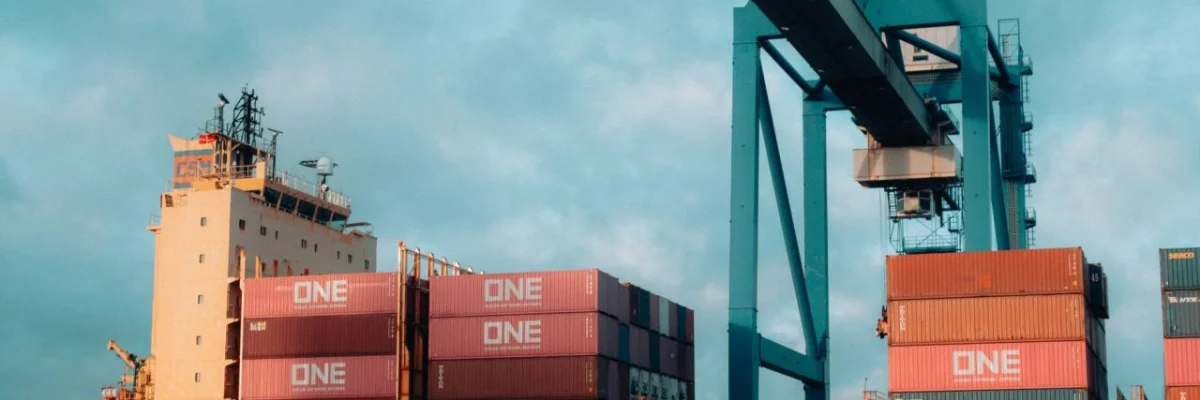
Freight forwarding is currently navigating a period of unprecedented transformation as global supply chains demand higher levels of speed and transparency. Forwarders must move beyond legacy manual processes to thrive in this digital ecosystem. By integrating cloud-based technologies and automating repetitive workflows, professionals can reclaim their time and focus on complex logistical challenges. This shift not only improves operational efficiency but also provides a superior experience for shippers who expect real-time visibility. Embracing these advanced digital tools is no longer a luxury but a fundamental necessity for staying competitive in the fast-paced global logistics market today.
Automating Documentation Processes

Manual document handling remains the biggest bottleneck in freight forwarding operations today. Automating these tedious tasks allows your team to focus on high-value client communication instead of data entry. Digital workflows reduce human errors and accelerate the entire transit lifecycle significantly.
- Eliminate manual entry: Implementing automated data capture tools removes the need for typing information from paper documents, ensuring that every detail is captured accurately within your central cloud system.
- Standardize filing systems: Creating digital templates for essential shipping documents keeps your records organized and accessible, which prevents time-consuming searches and simplifies the retrieval process for your staff.
- Enable instant sharing: Cloud platforms allow you to share critical shipping files with stakeholders instantly, reducing email clutter and ensuring everyone works from the most current document versions.
- Reduce processing time: Shifting from physical paperwork to digital automation cuts down the time spent on administrative tasks, allowing your team to handle higher volumes without increasing headcount.
By removing the burden of manual document preparation, your team gains the ability to prioritize critical strategic tasks that foster business growth. This transition to digital documentation ensures accuracy while maintaining a professional standard that shippers appreciate. Implementing these automated solutions creates a foundation for scalable operations, helping your firm adapt to changing market conditions while keeping overhead costs manageable and predictable for your company.
Real-time Shipment Visibility

Visibility is the primary expectation from shippers looking for reliable logistics partners. Providing real-time updates through your platform builds immense trust and keeps clients informed at every single stage of the international journey, from warehouse departure to arrival.
- Live tracking updates: Modern software integrates directly with carrier systems to provide continuous status updates, ensuring that clients always know exactly where their cargo is currently located globally.
- Proactive anomaly alerts: Automated notification systems alert your operations team immediately when potential delays occur, allowing you to inform customers early and propose alternative solutions to avoid disruptions.
- Centralized tracking portals: Providing a dedicated portal for clients to access their shipment status reduces the number of inbound inquiries, which frees up your staff for proactive support.
- Enhanced data accuracy: Automated data feeds from global partners remove the ambiguity associated with manual status updates, resulting in highly precise tracking information for your valued shipping clients.
Delivering consistent transparency changes the way your business interacts with customers by establishing you as a reliable and proactive partner. When you provide immediate access to shipment data, you reduce the workload on your customer service representatives and increase overall client retention rates. Investing in these visibility tools transforms your freight forwarding operations into a seamless and highly responsive service provider experience.
Effective Carrier Management

Managing multiple carriers requires a structured approach to maintain service quality and competitive pricing. Keeping track of carrier performance data and contract terms helps you make informed routing decisions while maintaining high standards across your entire supply chain network.
- Performance monitoring tools: Using dashboards to track carrier reliability and transit times helps you identify top-performing partners and avoid those that consistently fail to meet service level agreements.
- Streamlined rate management: Centralizing your carrier rate databases allows you to compare quotes quickly, ensuring you secure the best possible pricing for your clients on every shipment.
- Contract compliance tracking: Automated systems monitor active contracts to ensure you receive the agreed rates and service terms, preventing billing disputes and maintaining healthy relationships with your partners.
- Simplified partner communication: Integrated messaging platforms keep all carrier correspondence in one place, which prevents vital information from getting buried in personal email accounts or lost during transitions.
Refining how you handle carrier relationships leads to better service consistency and improved margins across your entire freight forwarding portfolio. By relying on centralized data to make routing decisions, you remove guesswork from your operations and focus on building strong ties with dependable partners. This strategic approach ensures your business remains resilient against market fluctuations and capable of delivering reliable service every time.
Scaling Your Logistics Business

Scaling a freight forwarding business requires a solid technological infrastructure that grows alongside your volume. As you acquire more clients and handle more routes, your software must remain robust enough to handle the increased complexity without slowing down your core operations.
- Unified cloud infrastructure: Cloud-based software allows your team to access data from anywhere, making it easier to scale your operations geographically without needing local server hardware installations.
- Modular software expansion: Choosing platforms with modular capabilities allows you to add features as your business needs evolve, ensuring you only pay for the tools you currently require.
- Efficient team onboarding: Intuitive interfaces simplify the training process for new employees, which allows you to expand your workforce rapidly without sacrificing your current operational efficiency and standards.
- Data-driven decision making: Accessing comprehensive reporting tools provides the insights necessary to identify growth opportunities, optimize your service offerings, and make informed investments for future business expansion goals.
Preparing for growth is essential to long-term survival in the competitive logistics landscape where market demands fluctuate rapidly. By leveraging scalable technology, you create an agile environment where your team can thrive even under increased pressure. Focusing on these foundational pillars of growth ensures your freight forwarding company is always ready to capitalize on new opportunities while maintaining top-tier service delivery quality.
Conclusion

Modernizing your freight operations requires a commitment to digital tools and process refinement. By automating documentation, enhancing shipment visibility, managing carrier performance, and focusing on scalable systems, you set your firm apart from the competition. Start implementing these strategies today to streamline your workflow and provide the superior service that shippers expect. Elevate your freight forwarding business with the right cloud platform.