Optimizing Freight Operations for Modern Forwarding
Saturday, October 24 2026

Freight forwarding is evolving at a rapid pace as global supply chains demand higher efficiency and transparency than ever before. For logistics professionals, managing complex workflows across multiple borders requires more than just traditional spreadsheets and manual data entry. Adopting a cloud-based approach allows businesses to centralize operations, reduce communication delays, and mitigate risks effectively. By embracing digital transformation, forwarders can reclaim valuable time and focus on delivering exceptional service to their clients. Modern software solutions are no longer optional luxuries but essential tools that provide a competitive advantage in an increasingly volatile global shipping and logistics market.
Automated Documentation Workflows

Manual document processing often creates significant bottlenecks in daily logistics operations. By shifting toward automated systems, freight forwarders can reduce the frequency of human errors, accelerate customs clearance times, and ensure that all critical compliance documentation is managed within a unified digital environment.
- Reduced Data Redundancy: Automation allows teams to capture information once and sync it across all relevant documents, eliminating the need for tedious manual re-entry of shipping data points.
- Faster Customs Compliance: Streamlined digital workflows ensure that regulatory documents reach authorities instantly, preventing common delays that occur during the verification of paper based shipping files.
- Standardized Document Templates: Using professional templates guarantees that every outgoing bill of lading or commercial invoice maintains consistent formatting, which builds trust with international shipping partners.
- Enhanced Search Retrieval: Centralized document storage enables employees to locate specific shipping records in seconds, removing the frustration associated with traditional filing cabinets or local folders.
Transitioning to automated document handling enables your team to move away from administrative drudgery and toward strategic growth. When paperwork flows seamlessly through your system, errors vanish and speed increases significantly. This operational shift provides the reliability your customers demand in a high pressure market. Implementing these robust digital tools today ensures your business stays agile and remains resilient against unexpected logistical challenges.
Real Time Shipment Visibility
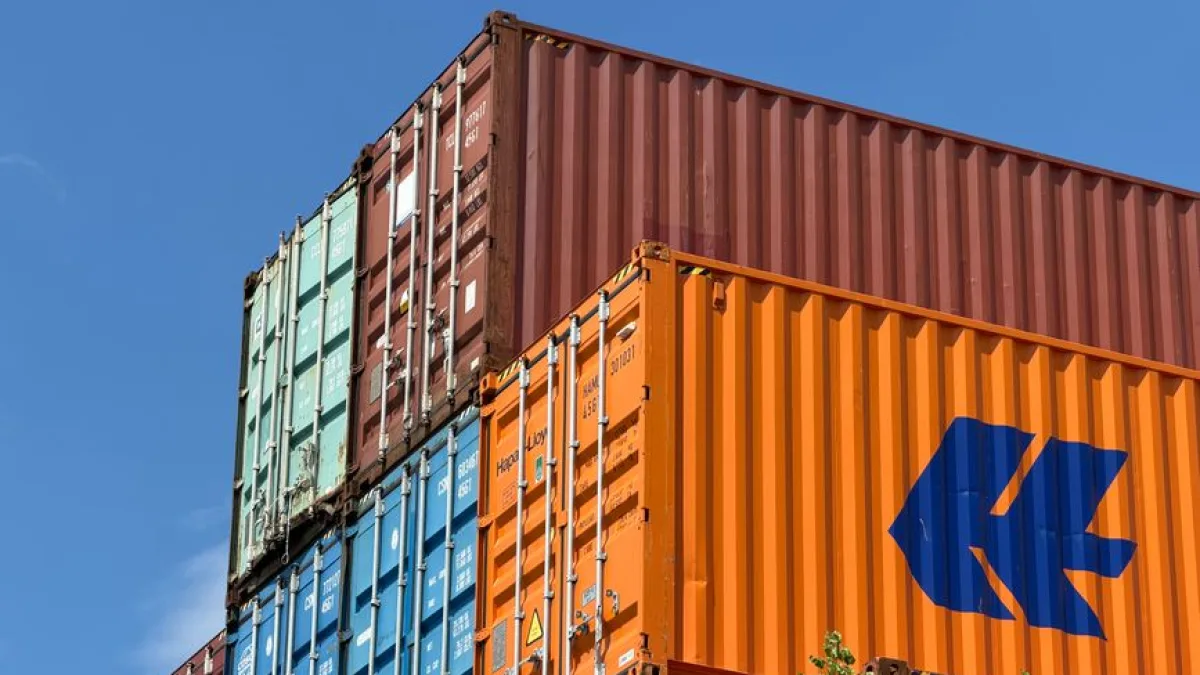
Transparency has become the gold standard in global shipping and logistics management today. Providing clients with live tracking capabilities transforms the customer experience and reduces the burden of manual status updates on your busy and dedicated logistics support staff.
- Instant Status Updates: Modern software platforms push live location data directly to clients, reducing the high volume of incoming status requests that overwhelm customer support teams.
- Proactive Exception Management: Early notifications about vessel delays or port congestion allow logistics managers to coordinate alternative shipping routes before minor issues become major service problems.
- Improved Client Trust: Sharing precise tracking information demonstrates transparency and builds stronger long term relationships with shippers who value reliability throughout their complex supply chain journeys.
- Mobile Access Points: Cloud systems enable logistics coordinators to monitor active shipments from any location, ensuring that critical supply chain information is always accessible and updated.
Visibility serves as the backbone of high quality customer service in the forwarding industry. By providing clients with a window into their cargo location, you differentiate your services from competitors relying on static email updates. Investing in real time tracking capabilities keeps your operations transparent and efficient. Consistent access to data allows you to manage expectations proactively and maintain high service standards.
Effective Partner Collaboration

Building strong communication channels with carriers and local agents is vital for smooth freight movement. Centralizing communication within a professional software platform ensures that every stakeholder has access to the latest updates, which significantly minimizes potential miscommunication across borders.
- Centralized Communication Hubs: Integrated messaging tools allow teams to attach conversations directly to specific shipments, ensuring that all historical context remains accessible for every future audit.
- Streamlined Agent Interaction: Digital portals facilitate rapid task assignment for overseas agents, ensuring that local requirements are met without the typical delays caused by timezone differences.
- Synchronized Data Sharing: Securely sharing shipment milestones with external partners prevents costly misunderstandings that frequently occur when parties rely on fragmented email threads or verbal agreements.
- Unified Operational Views: Providing partners with restricted access to specific modules allows for better coordination of cargo handovers, making multi-modal transport operations significantly more predictable and efficient.
Collaborative technology bridges the gap between disconnected global teams and local partners. When everyone works from a single source of truth, the risk of misaligned information is minimized. This synchronized approach reduces operational friction and fosters long term partnerships built on efficiency. By utilizing shared digital platforms, your organization can effectively manage complex cross border logistics with precision, speed, and consistent operational transparency.
Data Driven Performance Analysis

Measuring performance is essential for identifying areas that require improvement or additional investment. Utilizing advanced reporting features allows you to uncover hidden trends in your shipping volumes, carrier costs, and team productivity, leading to smarter business decisions.
- Carrier Performance Metrics: Tracking the on time delivery rates of various shipping lines allows you to select partners based on real data rather than simple estimates.
- Profitability Analysis Tools: Detailed reports break down costs per shipment, helping you identify which routes or cargo types are generating the best margins for the company.
- Productivity Tracking Insights: Analyzing how much time team members spend on specific tasks reveals opportunities for further process automation or additional training in critical logistical areas.
- Trend Forecasting Models: Historical shipment data helps your team predict seasonal fluctuations in freight demand, allowing you to optimize capacity planning and staffing levels well ahead.
Harnessing the power of your own data provides the clarity needed to optimize your business model. When decisions are backed by hard metrics, you avoid costly trial and error scenarios and focus on what truly drives revenue. Use these analytical tools to refine your operations and stay ahead of market shifts. Consistent measurement is the only way to ensure long term logistical excellence.
Conclusion

Mastering freight operations requires a commitment to digital modernization and continuous improvement. By integrating automated workflows, real time visibility, and deep data analysis, you position your firm for sustainable growth in a complex environment. The transition to cloud software is a significant step toward operational maturity. Start optimizing your processes today to ensure your team remains efficient, competitive, and ready for future challenges.