Optimizing Freight Operations for Modern Forwarding Success
Thursday, July 23 2026

The global logistics landscape is undergoing a massive transformation driven by rapid technological advancement and increasing customer demands for total supply chain visibility. Freight forwarders today must navigate complex international regulations, volatile shipping rates, and the constant pressure to reduce transit times while maintaining operational efficiency. Successful firms now prioritize digital infrastructure that allows for seamless data flow across multiple departments and external partners. By adopting modern software solutions, your organization can eliminate manual data entry errors, improve coordination between carriers, and ensure that every shipment moves through the network with precision, reliability, and full transparency for all stakeholders involved.
Digital Workflow Automation

Automating your manual administrative tasks serves as the foundation for a scalable operation. By moving away from legacy spreadsheets, your team gains time to focus on strategic growth and high-value customer interactions rather than repetitive data validation processes.
- Automated Data Entry: Implement software that automatically pulls information from shipping documents to eliminate human error while drastically reducing the time spent on manual inputting for every single booking.
- Centralized Documentation: Store all essential customs and shipping documents in a secure cloud repository that allows your staff and clients to access records instantly from anywhere.
- Real-time Notifications: Configure automated status alerts that inform your team and your customers about milestone achievements or potential delays before they impact the final delivery timeline.
- Workflow Task Management: Assign specific operational tasks to team members through a digital board to ensure accountability and keep every shipment moving through the process without interruption.
Adopting an automated workflow is no longer an optional upgrade for logistics providers seeking growth. It functions as a critical bridge between standard manual operations and a future-proof, digital-first business model. When administrative burdens disappear, your staff can dedicate their full attention to solving complex logistics puzzles, which ultimately enhances service quality and builds long-term trust with your diverse client base.
Enhanced Shipment Tracking
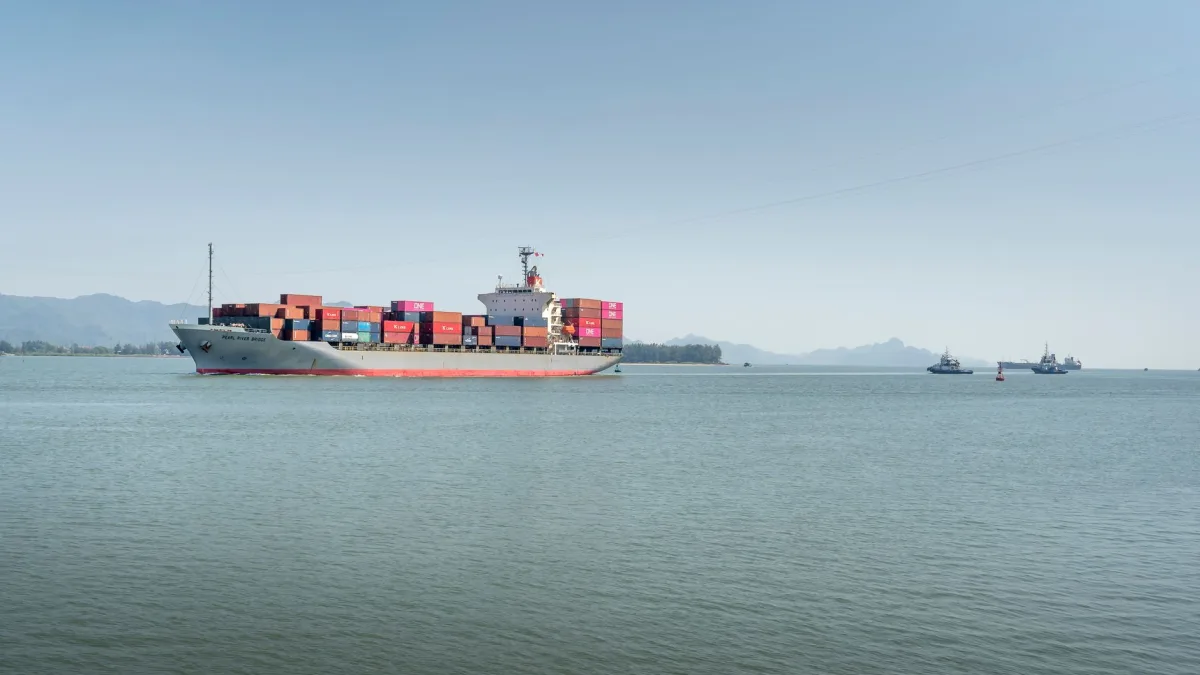
Providing clients with real-time tracking is a standard requirement in today's market. Visibility allows your customers to plan their own operations effectively while reducing the volume of status inquiries flooding your customer service and operations departments every day.
- Live Cargo Tracking: Integrate live GPS and satellite feeds directly into your dashboard to provide accurate location updates for sea and air freight shipments during transit.
- Carrier Portal Integration: Sync data directly from your carrier APIs to provide a single view of truth for multi-carrier shipments within one easy-to-use software interface.
- Predictive Delay Analytics: Use historical data and real-time inputs to calculate the likelihood of arrival delays so that your operations team can take proactive measures immediately.
- Customer Visibility Portals: Give your clients a secure login to view their specific shipment status and documentation without needing to send an email to your staff.
Constant visibility empowers your clients to manage their own supply chains with far greater confidence and accuracy. By providing a transparent window into the transit process, you position your freight forwarding business as a reliable and modern partner. This level of service differentiates your company from competitors who still rely on manual status updates, fostering deeper loyalty and securing repeat business.
Strategic Rate Management

Managing freight rates efficiently requires a balance between speed and precision. A centralized rate management system helps you provide competitive quotes to clients instantly while ensuring your margins remain protected during periods of extreme market volatility and change.
- Instant Quote Generation: Utilize dynamic pricing tools that calculate quotes based on current market rates, fuel surcharges, and carrier capacity to provide fast accurate customer proposals.
- Carrier Contract Storage: Keep all your carrier agreements in a searchable digital database to quickly compare service options and pricing structures for every unique shipping request.
- Margin Analysis Tools: Use built-in analytics to review your profitability per lane and carrier, ensuring that your quoting strategy aligns with your company financial objectives.
- Dynamic Surcharge Calculation: Automate the inclusion of variable fees such as fuel or peak season surcharges so your team never forgets to invoice for essential service costs.
Developing a robust strategy for rate management allows your team to respond to client inquiries in seconds instead of hours. This speed is often the deciding factor in winning new business contracts in a crowded market. When you combine rapid quoting with accurate margin insights, your company benefits from a sustainable growth model that avoids the common pitfalls of underpricing your services.
Scalable Operational Compliance

Compliance remains a cornerstone of international freight forwarding. Navigating the regulatory landscape across different jurisdictions requires rigorous attention to detail and a system that automatically flags errors before they become costly fines for your business or your clients.
- Automated Regulatory Checks: Run all shipping documents against a live database of international sanctions and export regulations to identify potential risks before the goods reach port.
- Digital Audit Trails: Maintain a comprehensive history of every change made to a file, which provides essential documentation and protection during internal audits or government inquiries.
- Standardized Document Templates: Use pre-approved document templates to ensure that every bill of lading and invoice meets international standards, reducing the chances of cargo being held.
- Security Feature Access: Control user permissions at a granular level to ensure sensitive financial and customer data is only accessible to authorized personnel within the company.
Compliance is the safety net that prevents massive disruptions to your operational flow and your company reputation. By embedding automated security checks into your software, you shift from a reactive state to a proactive risk management strategy. This allows your team to focus on moving cargo efficiently, knowing that the structural integrity of your documentation and legal obligations is always protected.
Conclusion

Transforming your freight operations requires a commitment to both innovative technology and optimized internal processes. By automating workflows, enhancing tracking, managing rates strategically, and prioritizing compliance, your business can thrive in an increasingly competitive global environment. Start upgrading your digital infrastructure today to ensure that your freight forwarding services remain efficient, scalable, and highly valuable for all your international shipping clients.