Optimizing Freight Operations for Modern Forwarding Success
Tuesday, July 28 2026

The global logistics landscape is undergoing a massive transformation driven by rapid technological advancement and increasing customer demands for real-time visibility. Freight forwarders are currently tasked with navigating complex supply chains while maintaining cost efficiency and operational speed. Adopting modern software solutions has moved from being a strategic advantage to an absolute necessity for survival in this competitive environment. By integrating cloud-based platforms into your daily workflows, your organization can break down information silos and create a unified operational ecosystem. This article explores how modern tools and smarter internal processes help logistics professionals scale effectively while reducing manual errors across every shipment phase.
Streamlining Documentation Workflows

Manual document handling remains a primary bottleneck for logistics teams, often resulting in costly delays and processing errors. Digitizing your paperwork reduces reliance on legacy systems and ensures that critical shipment data is always accessible to the relevant parties in your network.
- Automated Data Entry: Implement smart systems that capture information from bills of lading automatically to minimize human error and ensure that your shipping documents remain accurate and fully compliant.
- Centralized Document Storage: Store all essential shipping files within a secure cloud environment to ensure your global team members can access real-time records without searching through fragmented email threads.
- Standardized Filing Templates: Create consistent templates for customs declarations and commercial invoices to accelerate your processing times and maintain professional standards across all client interactions and shipping lanes.
- Real-time Version Control: Enable live updates for your documentation so that every stakeholder views the latest version, effectively eliminating confusion and preventing redundant work during high-pressure transit cycles.
By automating the repetitive parts of your document lifecycle, your team gains valuable time to focus on complex problem solving. Reducing the manual burden leads to faster turnover rates and better client satisfaction. Modern software allows you to handle higher shipment volumes without needing to expand your administrative headcount, directly contributing to improved profitability and long-term operational health for your growing logistics business.
Enhancing Real-Time Shipment Tracking
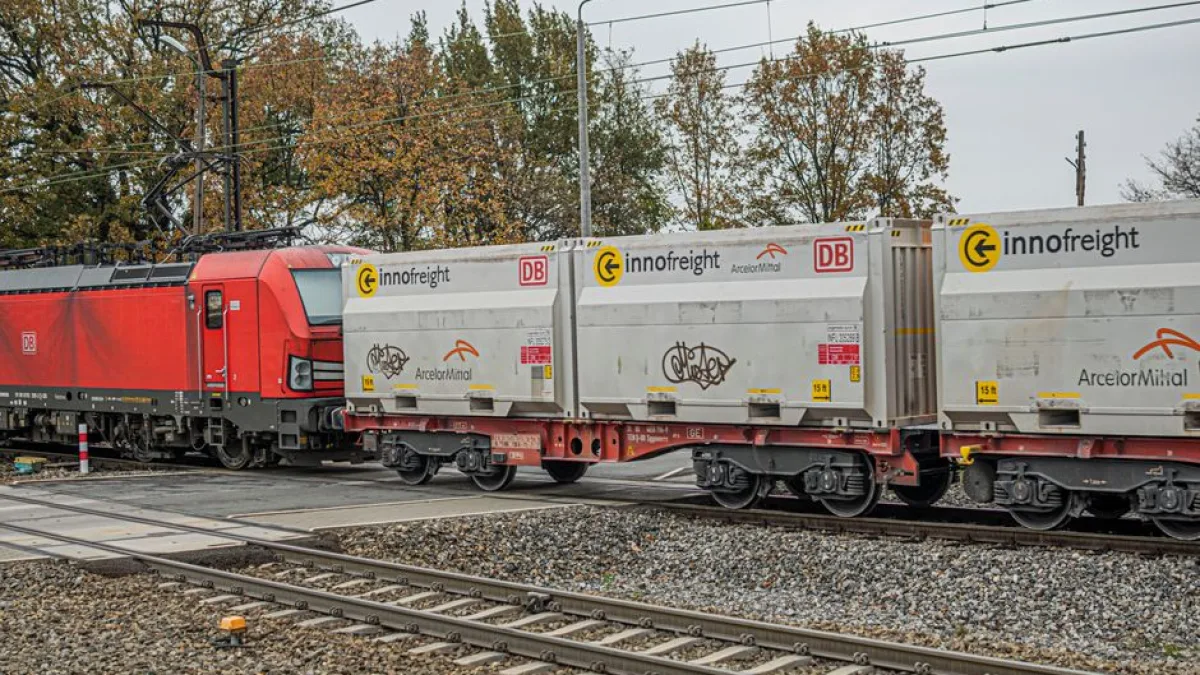
Clients today expect instant updates on the location and status of their cargo, regardless of time zones or transit modes. Providing this level of transparency is essential for building trust and establishing your brand as a reliable supply chain partner.
- Live GPS Integration: Connect your platform with carrier APIs to provide clients with precise location updates, which significantly reduces the frequency of inbound status inquiry calls and emails.
- Customizable Client Alerts: Configure automated notifications for specific transit milestones so your customers receive proactive updates without requiring manual intervention from your internal staff members every single day.
- Exception Management Tools: Utilize advanced monitoring features to identify potential delays before they occur, allowing your team to inform clients and arrange alternative solutions for their sensitive freight.
- Interactive Dashboard Views: Offer your shipping clients a personal portal where they can monitor their ongoing orders and historical data, which encourages self-service and reduces your overhead.
Transparency is the most powerful tool for client retention in the logistics industry. When you provide accurate, self-service tracking information, you empower your customers to manage their own inventories more effectively. This proactive approach transforms the typical forwarder and client relationship into a partnership based on data-driven clarity, which ultimately makes your service offering much more difficult for your competitors to replicate.
Improving Financial Efficiency

Financial management in freight forwarding is notoriously complex, involving multiple currencies, changing tax regulations, and varying carrier invoices. Accurate financial tracking ensures that your margins remain healthy and your cash flow stays consistent throughout the operational year.
- Integrated Billing Modules: Generate invoices automatically based on your shipment data to ensure that all charges are captured correctly and billed to the client without any missing items.
- Carrier Cost Analysis: Compare carrier rates across different lanes to identify the most cost-effective routes, helping you maximize your profit margins on every single booking you manage.
- Currency Conversion Automation: Manage international payments with ease by using built-in conversion tools that update exchange rates automatically, protecting your business from the volatility of global financial markets.
- Automated Profit Reporting: Access instant reports on the profitability of your shipments, clients, or specific trade routes to help your management team make informed, data-backed decisions for expansion.
Managing the financial side of your business does not have to be a source of stress. When your financial data flows directly from your operations, you eliminate reconciliation gaps and reduce billing cycle times significantly. Achieving this level of accuracy allows your leadership team to reinvest profits into new technologies, further driving the growth and sustainability of your modern freight forwarding enterprise.
Empowering Remote Global Teams

The modern logistics professional works from anywhere, making cloud accessibility a core requirement for any successful freight operation. Empowering a distributed workforce requires a robust digital foundation that allows for seamless collaboration across different departments and global office locations.
- Cloud Infrastructure Access: Allow your team members to manage shipments and communicate with partners from any location, which ensures continuity of service regardless of physical office attendance or closures.
- Permission-Based Data Sharing: Manage access levels for different staff members to ensure that internal data security remains a priority while maintaining high levels of collaboration for your team.
- Centralized Communication Hubs: Link internal messages directly to specific shipment files, which keeps all conversations in context and prevents critical information from getting lost in external email accounts.
- On-demand Staff Training: Host your operational guidelines and software training materials within the platform, enabling new hires to get up to speed quickly without extensive in-person mentorship sessions.
Supporting a flexible workforce is essential for scaling your operations across new markets. By moving your operations to the cloud, you create a environment where collaboration is intuitive and fast. This capability allows your business to attract top-tier global talent while maintaining operational consistency, ensuring that your freight forwarding services remain efficient, responsive, and ready for future growth within the competitive logistics industry.
Conclusion

Optimizing freight operations requires a balance between technology adoption and smart process management. By focusing on automation, real-time visibility, financial precision, and team collaboration, you position your forwarding business for long-term success. Evaluate your current software capabilities today to identify areas for improvement. Embracing these digital changes ensures you remain ahead of industry shifts while delivering exceptional service to every one of your clients.