Optimizing Freight Operations for Modern Forwarding Success
Tuesday, August 4 2026

The global logistics landscape is undergoing a massive transformation driven by rapid digitization and shifting consumer expectations. For freight forwarders, the ability to manage complex supply chain movements with agility is no longer just a competitive advantage but a fundamental necessity for survival. As cargo volumes grow and tracking requirements become more stringent, traditional manual processes often fail to keep pace with demand. Adopting cloud-based platforms allows companies to break down data silos, reduce human error, and provide clients with the real-time visibility they demand. This shift represents the essential evolution required to thrive in a volatile and fast-paced international market.
Automated Workflow Management

Automation serves as the backbone of high-performing freight operations by removing repetitive administrative burdens from your staff. By integrating smart workflows into your daily routine, you can ensure that documents and status updates flow seamlessly between your internal teams and external partners.
- Enhanced Data Accuracy: Automating data entry processes eliminates the risks associated with manual typing and helps maintain high levels of integrity across all your shipping documentation and manifests.
- Faster Shipment Processing: Automated systems allow your team to process bookings and quotes in minutes, drastically reducing the time spent on manual communication and redundant file handling.
- Standardized Operational Tasks: Establishing consistent workflows ensures that every shipment follows the same quality protocol, preventing expensive oversights and improving the reliability of your service delivery standards.
- Reduced Administrative Overhead: By offloading mundane tasks to software bots, your operations team can focus their energy on high-value strategy and customer relationship building for key accounts.
Transitioning to automated workflows changes how your team perceives daily operations by shifting the focus from manual data entry to critical problem solving. This transition minimizes burnout and creates a more structured environment where errors are caught early in the lifecycle of a shipment. When your systems handle the routine, your experts can dedicate their time to managing exceptions that truly require human intervention.
Real-time Cargo Tracking
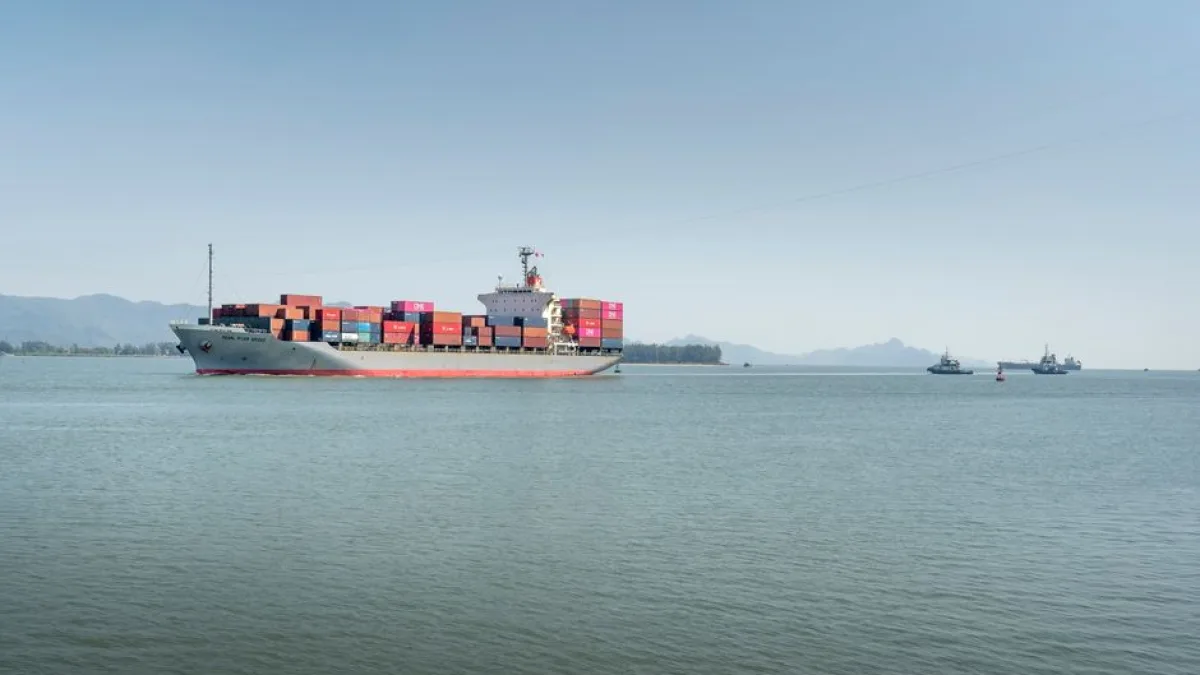
Visibility is the modern currency of the freight industry because clients require constant updates regarding the exact location of their goods. Providing live status updates transforms client interactions from reactive status requests to proactive logistics partnership management.
- Proactive Milestone Alerts: Receive automated notifications whenever your cargo reaches a key port or transit hub, allowing you to inform your clients before they ever have to ask.
- Improved Shipment Transparency: Accessing granular tracking data empowers you to provide accurate estimated arrival times that build deep trust with your partners and international shipping clients.
- Seamless Carrier Integration: Connecting directly to global carrier networks ensures that you receive the most current status updates without having to manually check multiple external portal dashboards.
- Quick Exception Management: Identifying delays in real time allows your operations team to initiate contingency plans immediately, effectively minimizing the impact of unforeseen disruptions on your schedule.
Real-time tracking capabilities provide your business with a significant edge in a competitive market where information is power. Clients who can see their cargo moving through the supply chain feel more secure and are more likely to return for future shipments. By leveraging live data feeds, you turn transparency into a major selling point that distinguishes your brand from traditional, opaque logistics providers.
Optimized Documentation Processes

Managing the endless flow of bills of lading and commercial invoices requires a robust digital approach. Centralizing your documentation within a cloud environment ensures that every team member accesses the most current version of critical shipping paperwork instantly.
- Centralized Document Storage: Keeping all your digital files in a single secure location reduces the time spent searching for misplaced records and improves overall organizational accountability metrics.
- Digital Approval Workflows: Speed up the authorization of sensitive documents by routing them through digital approval chains that notify the relevant stakeholder whenever a signature is needed.
- Secure Cloud Access: Provide your authorized partners and customers with secure portals to download their documents, ensuring privacy while eliminating the need for bulky email attachments.
- Simplified Compliance Checks: Automated software tools can flag missing information or regulatory errors in your paperwork before submission, preventing costly customs delays at the border crossings.
A digitized documentation strategy simplifies the complexities of international trade by removing paper-based friction from the process. When documents are managed in the cloud, you can move faster, ensure total compliance, and maintain a cleaner audit trail for every single load. This professional approach to handling paperwork demonstrates reliability to your clients while simultaneously streamlining your internal back office daily tasks.
Strategic Capacity Planning

Effective capacity management requires deep insights into your historical data and forward-looking market trends. By analyzing your operational performance metrics, you can make informed decisions about space allocation and carrier partnerships to maximize your overall profit margins.
- Historical Performance Analytics: Review past shipment data to identify high-traffic lanes and seasonal trends that help you negotiate better rates with your primary ocean and air carriers.
- Data-Driven Decision Making: Use software analytics to evaluate which carriers offer the best value for specific routes, ensuring that you optimize costs without sacrificing your service quality.
- Predictive Volume Forecasting: Anticipate future market shifts and capacity constraints by using advanced reporting tools that highlight growth patterns based on your current booking and order history.
- Optimized Space Utilization: Maximize the utility of your cargo space by leveraging insights that help you consolidate smaller shipments more efficiently during periods of high market demand.
Strategic capacity planning is the key to maintaining consistent growth even during volatile market cycles. By looking beyond the current quarter and analyzing long-term trends, your forwarder business remains agile and prepared for any shift in global trade volumes. Implementing these analytical practices ensures that your operations stay profitable, scalable, and highly efficient in the face of constantly evolving international shipping market conditions.
Conclusion
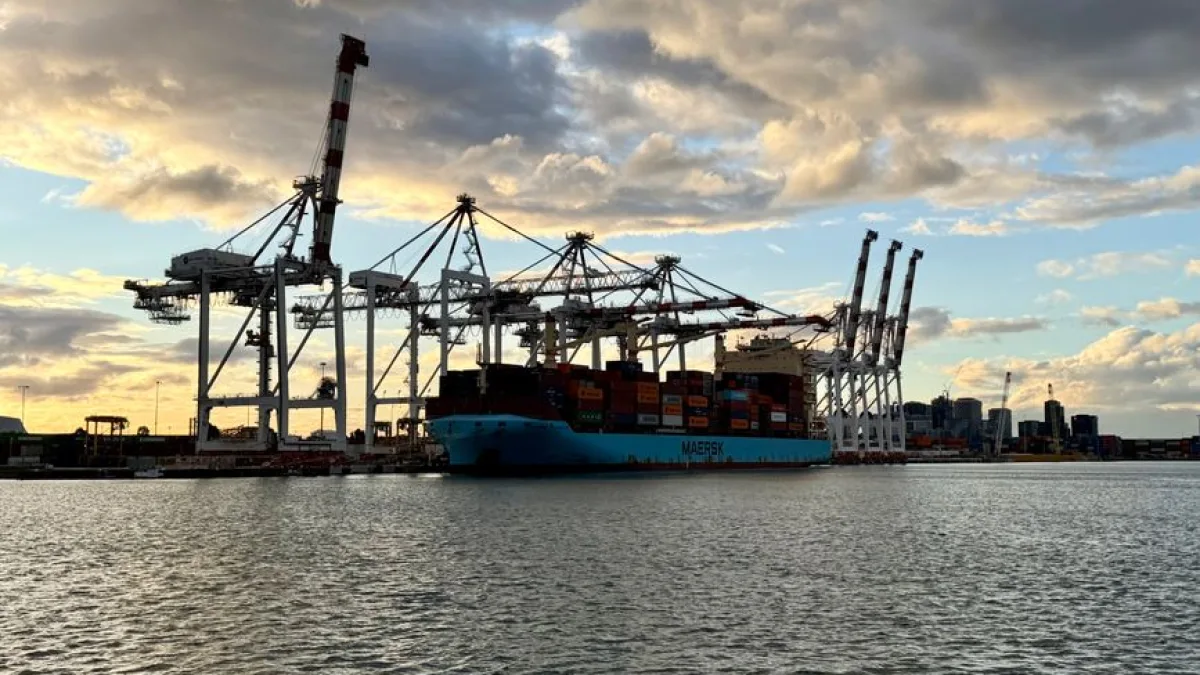
Mastering freight operations requires a combination of robust technology and strategic human oversight to navigate the complexities of global supply chains. By embracing automation, real-time visibility, and data-driven planning, your company can achieve unprecedented levels of efficiency. Start refining your operational strategy today with MakeCargo software solutions to ensure that your business remains ahead of the curve in this fast-evolving logistics landscape.