Optimizing Freight Operations for Modern Forwarding Success
Wednesday, August 12 2026
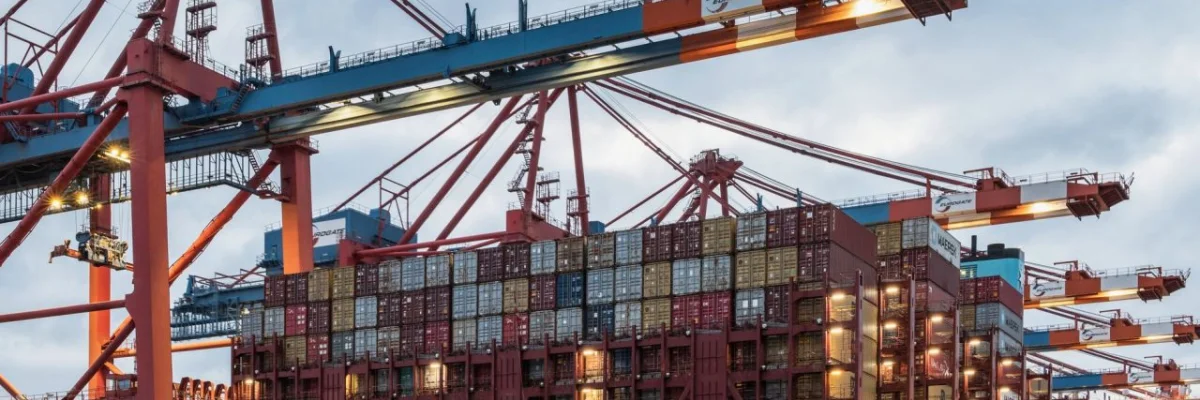
The global logistics landscape is undergoing a massive transformation driven by rapid technological advancement and changing customer expectations. Freight forwarders are increasingly tasked with managing complex supply chains while maintaining high service levels despite volatile market conditions. To remain competitive, professionals must transition from legacy manual processes to integrated digital systems that offer real-time visibility and automated documentation. This evolution is not merely about adopting new software tools but rather about rethinking operational workflows to enhance agility. By prioritizing data-driven decision making and fostering strategic partnerships, forwarders can successfully navigate the intricacies of international trade while maximizing operational efficiency and profitability.
Digital Transformation Strategies

Modernizing your technology stack is essential for keeping pace with global trade demands. By implementing a cloud-based freight platform, forwarders can synchronize communication across departments and external partners to ensure that every stakeholder accesses accurate, updated information during the entire shipping cycle.
- Cloud software adoption: Moving infrastructure to the cloud allows teams to access critical documents and shipment tracking data from any location while ensuring superior security for sensitive client information.
- Automated documentation flows: Utilizing smart automation tools helps generate complex shipping manifests and commercial invoices in seconds, significantly reducing the probability of human errors during data entry tasks.
- Real-time data integration: Connecting your internal software with carrier APIs provides instant status updates, allowing your team to proactively resolve delays before they impact your primary customers.
- Standardized reporting tools: Consistent reporting metrics provide deep insights into shipment performance, helping managers identify bottlenecks and optimize internal workflows for better resource allocation and cost savings.
Investing in digital infrastructure represents a significant shift for many traditional logistics companies. While the initial setup requires careful planning and staff training, the long term benefits include drastically improved response times and higher customer retention rates. Transitioning to a unified digital environment empowers your team to focus on high-value problem solving rather than repetitive administrative chores that stifle long term growth and innovation.
Managing Carrier Relationships

Strong relationships with ocean, air, and road carriers form the backbone of a reliable forwarding business. Proactive communication and transparent scheduling help build trust, which is vital when navigating capacity crunches or unexpected port congestion during peak shipping seasons.
- Regular performance reviews: Scheduling quarterly meetings with your carrier representatives helps align expectations and resolve recurring service issues before they grow into larger problems for your freight business.
- Capacity planning efforts: Establishing reliable volume projections early allows your carrier partners to allocate space effectively, ensuring you secure competitive rates during periods of high market demand.
- Transparent communication channels: Maintaining an open line of contact for urgent inquiries facilitates quicker problem resolution, which helps your team maintain high service standards for every client.
- Fair payment terms: Settling accounts promptly and transparently reinforces your status as a preferred partner, granting you better access to equipment and priority handling during critical windows.
Focusing on the human element of logistics ensures that technology remains a support tool rather than a replacement for strategic networking. By fostering deep professional connections, you create a buffer against market volatility and gain access to flexible solutions when standard options fail. Dedicated collaboration leads to mutual success, ensuring that your firm remains a top priority even during challenging economic shifts or disruptions.
Enhancing Shipment Visibility
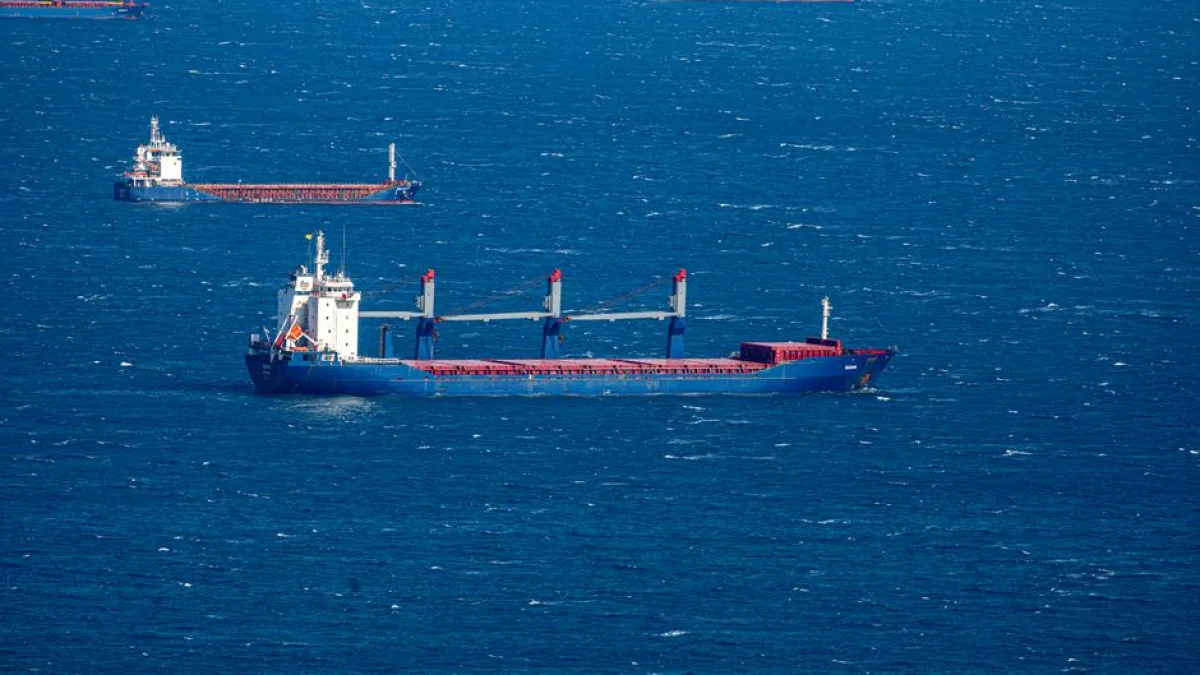
Customers today expect constant updates regarding their cargo status throughout the transit journey. Providing transparent, granular visibility into every stage of the move builds significant brand loyalty and reduces the time your customer support team spends answering status queries.
- Live tracking systems: Implementing GPS or satellite tracking technology allows clients to view their cargo progress on a map, providing peace of mind and reducing reliance on email.
- Automated status alerts: Configure your platform to trigger automatic notifications whenever a container clears customs or arrives at a transshipment hub, keeping clients informed without manual intervention.
- Exception management workflows: Create clear internal protocols for handling shipment delays, ensuring that customers receive accurate information and alternative options as soon as a problem occurs.
- Detailed milestone tracking: Break down shipments into smaller, manageable milestones to give stakeholders a clear understanding of exactly where their goods are positioned at any given moment.
Visibility is no longer a luxury feature but a core requirement for any forwarder aiming to remain relevant in the current market. By offering clients a clear window into their supply chain, you position your brand as a reliable and professional partner. This level of transparency saves hours of manual work while simultaneously boosting client satisfaction and establishing long term business relationships.
Optimizing Internal Workflows

Efficiency is the primary driver of profitability in the competitive forwarding sector. By identifying and eliminating redundant tasks, you can increase the throughput of your existing staff and create a more scalable environment that is ready for future business growth.
- Streamlined document filing: Implementing centralized digital document storage eliminates time spent searching through physical folders, allowing your staff to retrieve critical paperwork in a few simple clicks.
- Standardized task checklists: Defining consistent checklists for every shipment type ensures that no critical compliance steps are missed, reducing risk and improving the quality of service delivery.
- Inter-departmental collaboration tools: Using integrated messaging platforms keeps operations, sales, and accounting teams aligned, reducing miscommunication and preventing errors in billing or customs declarations during high volume periods.
- Continuous process auditing: Periodically reviewing your operational procedures helps identify outdated steps that can be automated or removed, ensuring your business model remains lean and highly responsive.
Refining internal processes is an ongoing journey that requires input from every member of your team. By encouraging a culture of continuous improvement, you empower employees to suggest optimizations that make daily tasks easier and more effective. Consistent focus on operational excellence creates a robust foundation that can handle increased cargo volumes without requiring proportional increases in administrative overhead or costly manual labor.
Conclusion

Success in modern freight forwarding depends on the balance between advanced digital tools and solid relationship management. By optimizing internal workflows and enhancing customer visibility, your firm can navigate the complexities of international trade with confidence. Start streamlining your operations today by integrating cloud based solutions that empower your team to provide superior service and achieve long term growth in a competitive global market.