Optimizing Freight Operations for Modern Forwarding Success
Wednesday, August 12 2026

The global logistics landscape is undergoing a massive transformation driven by rapid technological advancement and increasing customer demands for real-time visibility. Freight forwarders are currently navigating a complex environment where manual processes and disconnected data silos significantly hinder operational efficiency and scalability. To maintain a competitive edge, forwarders must embrace digital transformation by leveraging cloud-based platforms that integrate seamlessly with their daily workflows. This shift not only reduces human error but also empowers teams to focus on high-value strategic decision-making rather than tedious administrative tasks that previously slowed down global supply chain velocity and profitability.
Digitizing Operational Workflows

Moving away from legacy paper-based systems to digital documentation creates a foundation for operational excellence. Modern software allows teams to centralize every piece of shipping data, ensuring that critical information remains accessible, accurate, and secure for stakeholders across the globe.
- Automated Data Entry: Implement advanced automation tools to capture shipment details directly from incoming emails or spreadsheets, which eliminates the need for redundant manual typing and minimizes human-induced entry errors.
- Centralized Documentation Hub: Consolidate all airway bills and commercial invoices into a single secure cloud repository that allows your entire global team to access files without any frustrating delays.
- Real-time Visibility Access: Provide clients with instant access to their shipment status updates through a dedicated portal, reducing the volume of inbound status inquiries handled by your operations team.
- Integrated Compliance Checks: Use automated software modules to verify regulatory compliance for every shipment, ensuring that all necessary customs documentation is perfectly prepared before goods even reach the border.
Transitioning to a digital workflow serves as the primary catalyst for long-term growth in the logistics sector. By removing the bottleneck of paper-based documentation, your team regains valuable hours that were previously lost to manual verification. This newfound operational agility ensures that your business can scale effectively while providing the high level of transparency that modern global shippers expect from their trusted forwarding partners.
Enhancing Carrier Communication
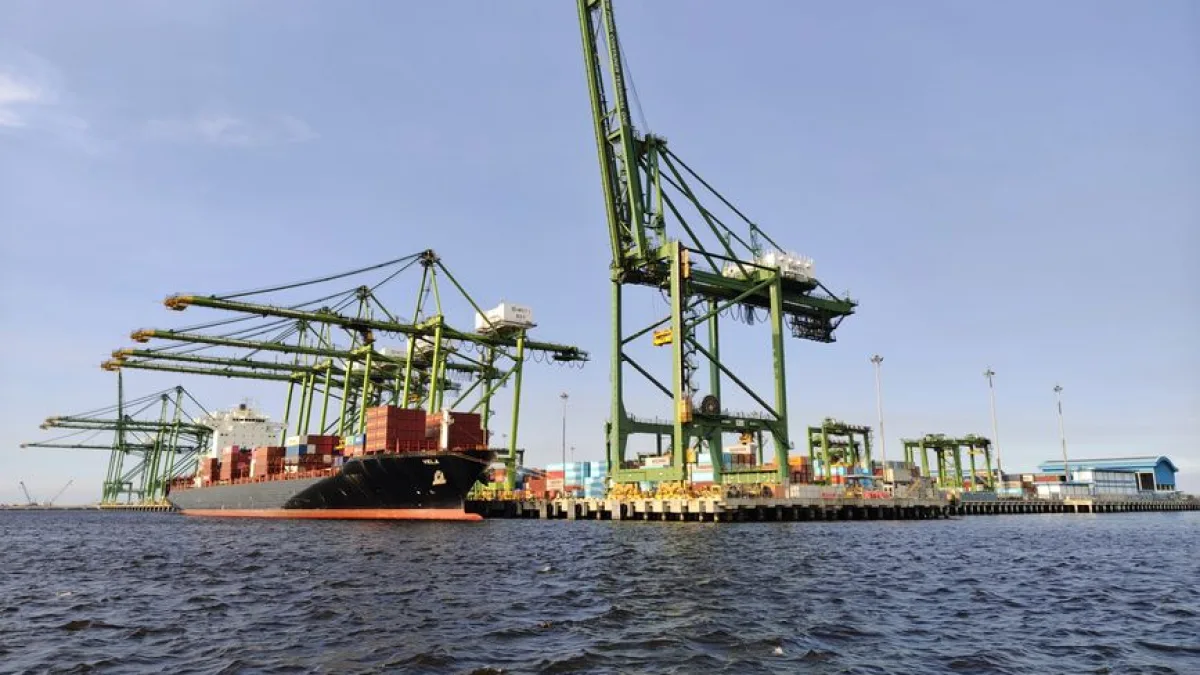
Effective collaboration with carriers is essential for maintaining smooth freight movement. By integrating direct communication channels within your freight management software, you can ensure that tracking updates and rate changes are synchronized across all internal platforms for immediate viewing.
- Instant Booking Requests: Utilize direct messaging integrations to send booking requests to carriers instantly, which reduces the time spent waiting for manual confirmations via lengthy and disorganized email chains.
- Live Tracking Integration: Sync live API feeds from ocean and air carriers directly into your dashboard to provide your customers with the most accurate shipping status updates available.
- Automated Rate Updates: Receive and process carrier rate changes automatically through system integrations, allowing your team to quote customers with the most current pricing without manual research efforts.
- Dispute Resolution Tools: Track carrier performance metrics and invoice discrepancies within a single interface, making it easier to resolve billing conflicts or service delays with verified data logs.
Strong carrier relations define the quality of service you deliver to your clients every day. When communication remains fluid and transparent, you minimize the risk of costly delays and misunderstandings that often plague international shipping. Leveraging technology to maintain these relationships ensures that your operations remain resilient against market fluctuations and carrier performance issues that frequently derail traditional manual shipping management processes.
Streamlining Global Customs Clearance

Customs clearance often acts as the most complex stage of the freight journey. Proactive management of declaration filings and duty calculations through digital software ensures that shipments pass through borders quickly without incurring avoidable storage fees or penalties.
- Pre-clearance Verification Steps: Utilize automated validation checks that scan shipping documents for errors before submission to customs authorities, ensuring high accuracy rates and avoiding costly border entry rejections.
- Digital HS Code Search: Deploy intelligent search tools within your software that help staff identify the correct Harmonized System codes, reducing the risk of classification errors during the filing process.
- Duty Calculator Modules: Apply integrated tax and duty estimation tools to provide your clients with accurate landed cost projections, enhancing trust and transparency during the quote process.
- Direct Filing Integration: Connect your forwarding platform directly with customs portals to submit declarations in seconds, which drastically improves the speed of your customs brokerage service offerings daily.
Efficient customs management separates industry leaders from lagging competitors in the freight market. By automating the technical aspects of declaration and validation, your staff can navigate complex regulations with confidence. This streamlined approach keeps cargo moving steadily through critical transit points, effectively protecting your margins and ensuring your clients receive their goods exactly when promised, regardless of regional border complexity or constraints.
Leveraging Advanced Data Analytics

Data is the most valuable asset for any modern freight forwarding company. By capturing and analyzing performance metrics from your operations platform, you gain deep insights into your business health and identify opportunities for optimization or potential cost reduction strategies.
- Shipment Performance Tracking: Monitor key performance indicators like transit times and carrier reliability scores to identify which routes or partners are consistently delivering the best value for money.
- Revenue Margin Reporting: Generate automated reports that break down profit margins by customer or trade lane, allowing you to prioritize high-value business segments for future growth opportunities.
- Predictive Capacity Planning: Utilize historical data trends to forecast future shipping volumes, helping your team secure necessary capacity from carriers in advance of peak season demand surges.
- Custom Dashboard Creation: Build visual dashboards that display live operational data, ensuring that your management team can make informed decisions based on current facts instead of intuition.
Harnessing the power of your operational data allows for a more proactive and strategic business model. Instead of reacting to problems after they occur, you can identify trends and optimize your processes to prevent bottlenecks before they arise. Embracing this analytical mindset transforms your operations team into a true competitive advantage, positioning your firm as a sophisticated partner for today's most demanding global shippers.
Conclusion
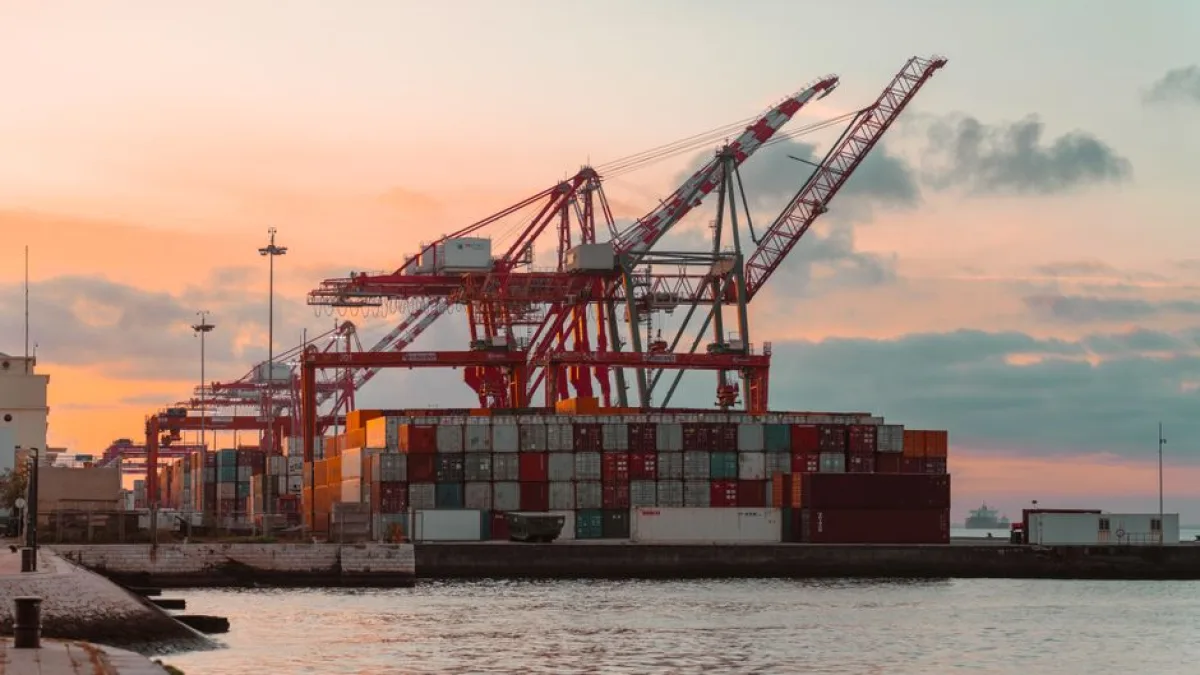
Mastering freight operations requires a combination of smart technology and strategic process management. By digitizing workflows, strengthening communication, and utilizing analytics, forwarders can unlock significant efficiency gains. MakeCargo provides the tools necessary to stay ahead in this evolving industry. Evaluate your current operational practices today and reach out to our team to see how we can help you streamline your shipping business processes.