Optimizing Freight Operations for Modern Forwarding Success
Sunday, August 16 2026
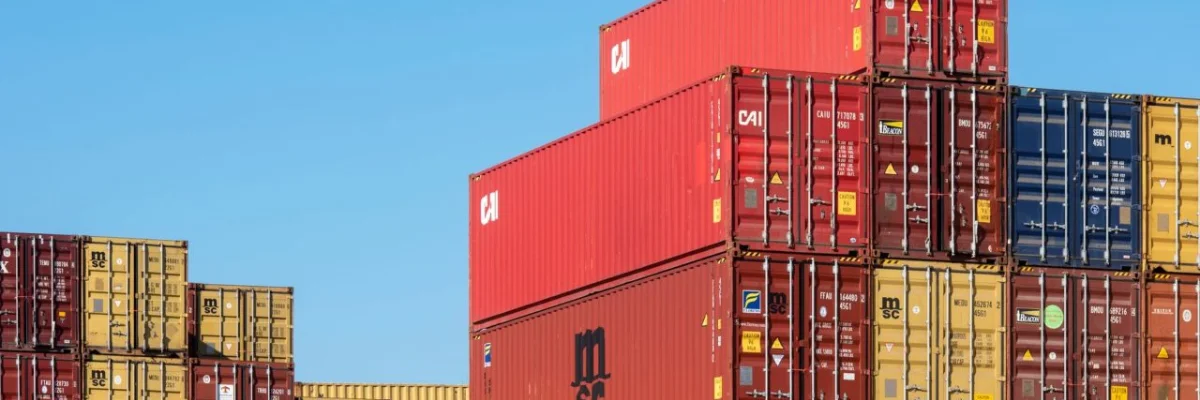
Freight forwarding is currently navigating a period of unprecedented transformation, driven by digital adoption and the need for greater operational agility. Professionals in this sector face constant pressure to reduce costs, improve communication speed, and ensure data accuracy across global supply chains. As manual processes become increasingly unsustainable, the shift toward cloud-based technology offers a pathway to seamless logistics management. By embracing digital integration, freight forwarders can effectively transition from reactive crisis management to proactive strategic planning, ultimately improving service quality and profitability in a competitive global market environment that demands real-time transparency and precision.
Automating Manual Documentation

Moving away from paper-based workflows is the first step toward achieving operational excellence. Automated documentation reduces human error and accelerates the clearing process for import and export activities, allowing your team to focus on high-value tasks that require genuine human expertise.
- Eliminate Data Entry: Implement automated extraction tools to pull information directly from commercial invoices and packing lists into your system to ensure data integrity and significant time savings daily.
- Instant Compliance Checks: Utilize intelligent software to scan shipping documents against global customs requirements and restricted party lists to prevent costly delays or legal penalties at the border.
- Secure Cloud Storage: Maintain a centralized digital repository for all shipping records to ensure that team members have instant access to critical documentation from any physical location.
- Version Control Tracking: Manage revisions to critical shipping documents automatically to ensure that every stakeholder works from the most current file version throughout the entire logistics cycle.
- Simplified Template Creation: Deploy standardized document templates for common shipping scenarios to reduce the effort required to generate accurate quotes, bills of lading, and custom entry filings.
By shifting to digital documentation, forwarders gain the ability to scale their operations without increasing administrative overhead. This transition mitigates the risks associated with manual data handling while fostering a culture of accuracy and accountability. Teams that leverage automated systems effectively spend far less time correcting errors, enabling them to provide superior service levels and maintain competitive advantages in a fast-paced global logistics landscape today.
Enhancing Real-Time Shipment Visibility
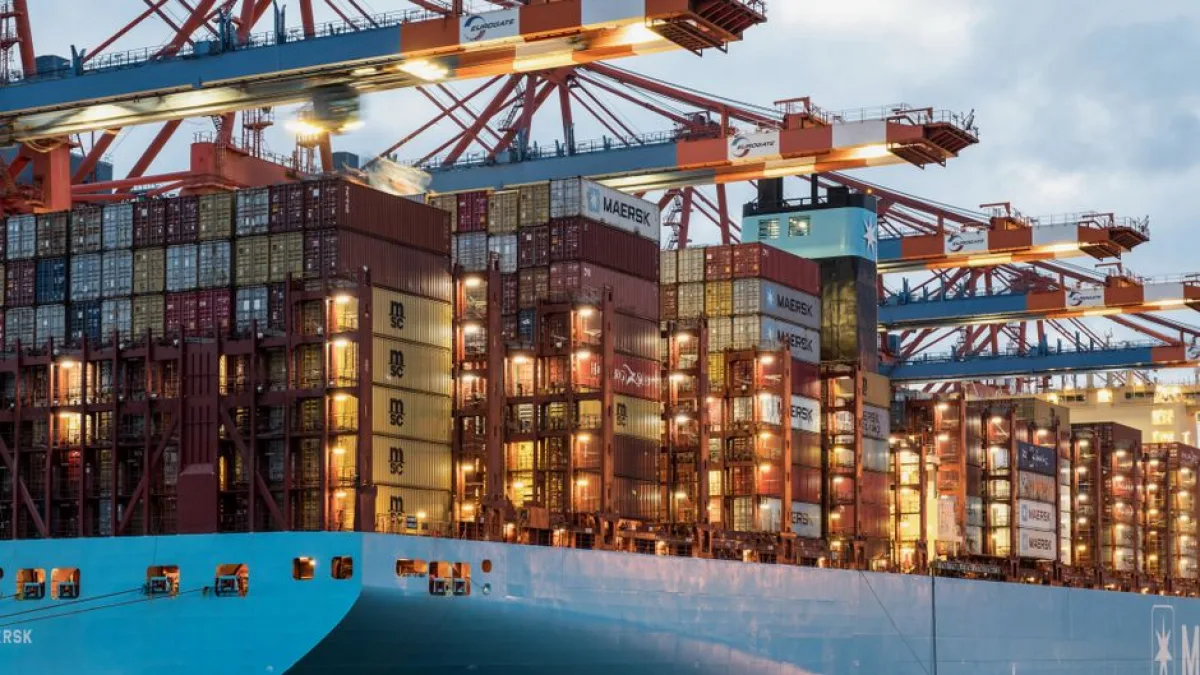
Providing clients with accurate shipment data is the gold standard in modern logistics. Real-time visibility tools transform the customer experience by providing constant updates, which helps to foster long-term trust and reduces the volume of repetitive status update inquiries.
- Live Tracking Integration: Connect your operations platform with carrier APIs to pull automated status updates directly into your dashboard for immediate visibility across all active ocean shipments.
- Client Portal Access: Empower your customers by providing secure access to a self-service portal where they can view shipment milestones and documents without needing human intervention.
- Proactive Exception Alerts: Configure automated notification systems that trigger alerts for team members when a shipment hits a delay or deviates from its planned transit schedule.
- Predictive Arrival Timing: Use historical transit data to provide customers with more accurate estimated times of arrival, helping them manage their own inventory cycles more efficiently.
- Transparent Milestone Reporting: Standardize how shipment events are recorded and displayed to ensure that clients receive consistent information regardless of the specific route or carrier involved.
Increased transparency acts as a powerful differentiator for forwarders who operate in saturated markets. When clients have direct insight into their cargo movement, their perception of value increases significantly. Furthermore, proactive exception management allows your staff to solve problems before they escalate into full disruptions, ensuring a smoother journey from warehouse to final destination while maintaining a strong reputation for reliability.
Optimizing Carrier Selection Processes

Choosing the right carrier requires a balance between transit time, cost, and service reliability. Advanced freight software allows forwarders to compare options side-by-side, ensuring that every booking decision is backed by solid data rather than intuition or outdated pricing information alone.
- Centralized Rate Database: Store all carrier contract rates in a searchable digital database to allow for quick comparisons when building quotes for your diverse client base.
- Dynamic Quote Generation: Create professional and accurate rate sheets in seconds by pulling live carrier pricing data to ensure that your margins remain protected during negotiations.
- Carrier Performance Analytics: Review historical data on carrier transit performance to identify which partners provide the best value and reliability for specific trade lanes or regions.
- Strategic Routing Selection: Evaluate multiple carrier combinations to find the optimal balance between cost and speed, providing your clients with tailored options for their specific needs.
- Efficient Booking Workflows: Streamline the process of submitting bookings to carriers through direct digital integrations, significantly reducing the time spent on phone calls or email exchanges.
Data-driven carrier selection is essential for maintaining healthy profit margins while meeting client expectations. By evaluating carrier performance continuously, your firm can forge stronger partnerships with high-performing providers while phasing out those that consistently underperform. This disciplined approach to procurement transforms your operations from a simple service provider into a strategic partner that adds tangible value to the client supply chain.
Driving Operational Efficiency Growth

Scaling a freight forwarding business requires an infrastructure that supports growth without creating bottlenecks. Effective operational management combines standardized processes with flexible software tools that adapt to the changing needs of the global market and your unique client requirements.
- Standard Operating Procedures: Document and digitize your internal workflows to ensure that all team members follow the same high-quality standards during the cargo booking and processing.
- Unified Communication Hubs: Consolidate internal discussions related to specific shipments within the platform to prevent information silos and ensure everyone stays aligned on the latest status.
- Scalable Cloud Infrastructure: Utilize cloud-based software solutions that grow with your business volume, ensuring your team has the resources needed during peak seasonal demand periods daily.
- Advanced Financial Reporting: Monitor profitability at a granular level by tracking costs and revenue per shipment, enabling better decision-making regarding which clients or lanes are viable.
- Training and Implementation: Invest in regular team training for new software features to ensure your staff fully leverages the available digital tools for maximum efficiency output.
Operational efficiency is the foundation for long-term sustainability and profitability in the freight industry. By consistently refining internal processes and embracing modern technology, forwarders can handle higher volumes with fewer errors. This capability allows firms to focus on business development and strategic expansion rather than getting bogged down by daily administrative tasks, ensuring that the company remains resilient against volatile global market shifts.
Conclusion

Modernizing your freight operations is a necessity in today's digital environment. By focusing on automation, visibility, data-driven decisions, and scalable processes, your firm can improve service quality and profitability. Implementing these strategies will help you stay competitive while providing exceptional value to your clients. Start optimizing your operations today with MakeCargo to ensure your logistics business is ready for the future.