Optimizing Freight Operations for Modern Forwarding Success
Monday, August 17 2026

The global freight forwarding landscape faces unprecedented complexity as supply chain demands evolve rapidly in a digital-first economy. Professionals must balance the intricate requirements of international logistics with the pressing need for speed, transparency, and cost efficiency. Manual processes and siloed data systems often hinder growth, creating bottlenecks that frustrate clients and reduce operational margins. By embracing cloud-based technologies and refined internal workflows, forwarding firms can transition from reactive problem solving to proactive management. This article explores how modern digital platforms empower logistics providers to thrive by simplifying intricate workflows and ensuring seamless data flow across every single shipment stage.
Streamlining Documentation Workflows

Modern forwarding relies heavily on the accurate processing of complex shipping documentation. By digitizing these flows, teams reduce the heavy burden of manual data entry while minimizing errors that lead to costly delays at international customs checkpoints or port facilities.
- Automated Data Entry: Implement intelligent software that extracts key information from bills of lading or packing lists to populate your central database without human intervention for every document.
- Centralized Document Storage: Maintain a secure cloud repository where every shipping document is indexed and searchable to ensure your team finds critical information in mere seconds of time.
- Standardized Template Usage: Create consistent layouts for all outgoing correspondence to reduce formatting discrepancies and present a professional image that builds deep trust with your global clients.
- Digital Signature Integration: Utilize electronic signing tools to expedite the approval process for commercial invoices and customs declarations so that shipments keep moving forward without waiting periods.
- Version Control Systems: Track changes made to shared documents through a robust platform to prevent conflicting edits and ensure everyone works from the most current shipment data.
Transitioning toward a paperless environment is not merely an eco-friendly initiative but a strategic move toward operational excellence. When your team stops chasing lost files and starts utilizing automated document workflows, the entire business gains a significant competitive advantage. This shift allows employees to focus their energy on high-value client interactions rather than repetitive administrative tasks that consume valuable time throughout the work week.
Enhancing Real-Time Visibility
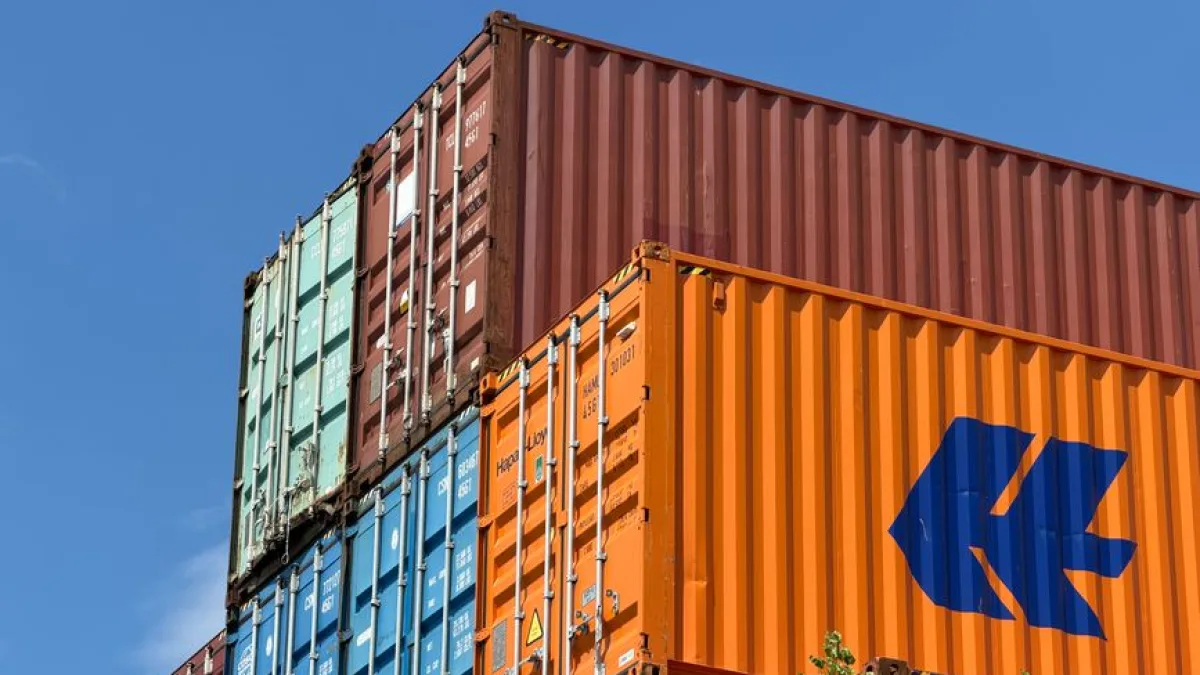
Visibility remains the gold standard for logistics excellence. Freight forwarders must provide clients with precise updates on location and status. Advanced tracking tools transform raw GPS data into actionable insights that keep stakeholders informed and satisfied during every transit.
- Live Shipment Dashboards: Provide clients with access to interactive interfaces where they view real-time transit status and milestones from departure to final delivery at the warehouse destination.
- Automated Status Updates: Configure trigger-based notifications that automatically email clients whenever a container reaches a key junction or experiences a delay during its international voyage path.
- Integration With Carriers: Connect your platform directly to shipping lines and port authorities to pull accurate location data automatically instead of relying on manual carrier reporting.
- Predictive Delay Alerts: Utilize smart analytics that monitor weather patterns and port congestion to warn your operations team before a disruption impacts your specific client shipments.
- Performance Reporting Tools: Generate comprehensive reports that highlight carrier reliability and transit times to help your firm make better logistics decisions for your future service planning.
Transparency creates long-term loyalty in a market where information is highly valued. By offering clients a window into their supply chain, you demonstrate reliability and technical proficiency. This level of clarity eliminates the constant stream of status inquiries, freeing your staff to manage exceptions rather than answering repetitive questions. Consistent visibility builds a solid foundation for sustainable growth and improved client retention rates.
Optimizing Carrier Management
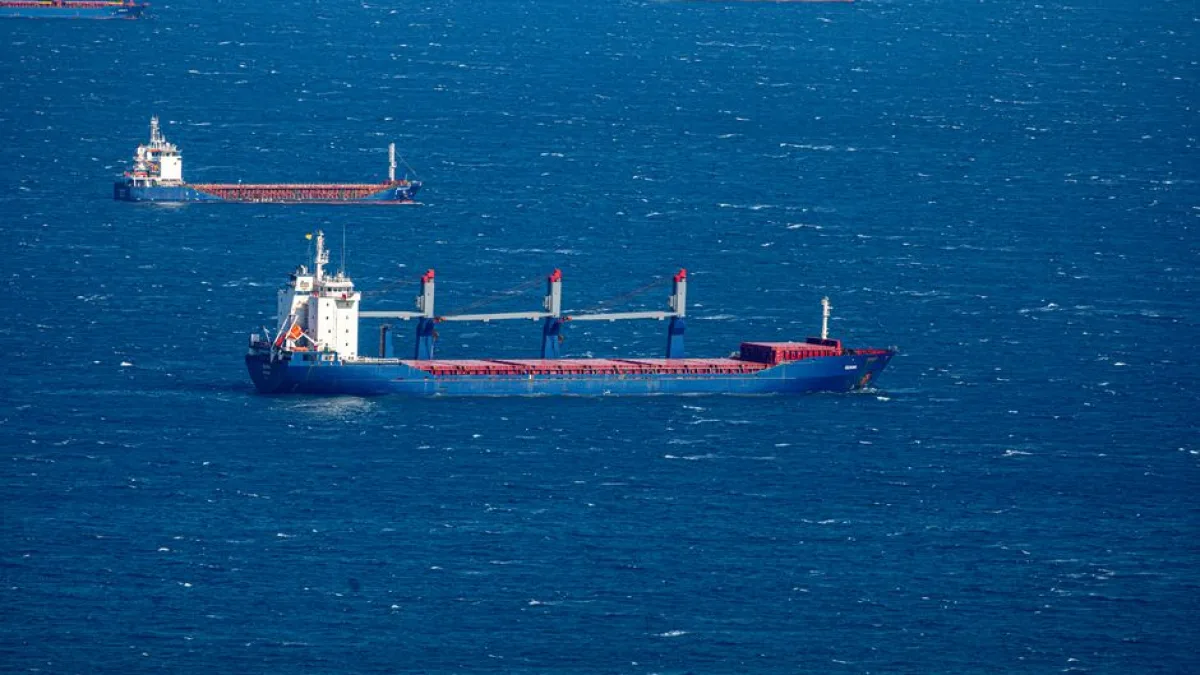
Managing a diverse network of global carriers requires a systematic approach to procurement and performance monitoring. By keeping track of rates and reliability, forwarders optimize their spending and ensure high quality service levels for every single customer shipment.
- Centralized Rate Databases: Store all carrier quotes in one accessible location so your operations staff can compare prices instantly and select the most cost effective shipping route.
- Carrier Performance Metrics: Analyze historical data to identify which shipping lines deliver on time and which partners consistently fail to meet your required quality standards daily.
- Contract Management Features: Track expiration dates and renewal terms for all carrier agreements to avoid service gaps or unexpected price hikes during your peak shipping seasons.
- Communication Portals: Direct all carrier correspondence through a dedicated portal to maintain a clear audit trail and keep important contract discussions organized for future management reviews.
- Automated Booking Requests: Send shipment requirements to your preferred carrier network with a single click to reduce the back and forth of traditional email booking methods.
A data-driven approach to carrier management empowers your firm to negotiate better rates and hold partners accountable. When you possess clear evidence of carrier performance, you make informed decisions that drive down costs and improve your service quality. This level of control ensures your business stays lean and agile, even when global markets fluctuate and freight capacity becomes significantly harder to secure.
Scaling Through Cloud Integration

As forwarding companies expand, their internal systems must scale alongside their client base. Cloud technology provides the necessary flexibility to add users, integrate new software tools, and manage operations from any location across the entire globe without interruption.
- Scalable Cloud Infrastructure: Expand your software capacity as your shipment volume grows to ensure your team never faces slow response times during your busiest peak months.
- Global Accessibility Tools: Allow remote staff to access the same shipment information as their office counterparts so the business operates seamlessly across different time zones worldwide.
- API Integration Capabilities: Connect your core logistics platform with accounting software or CRM systems to create a unified ecosystem that eliminates data gaps between different departments.
- Enhanced Data Security: Protect sensitive client information with industry-leading encryption and automatic backups that prevent data loss during unexpected system outages or catastrophic hardware failure events.
- Automated System Updates: Receive the latest software features automatically as the developer releases them to ensure your firm always utilizes the most advanced logistics technology available.
Adopting a scalable cloud architecture prepares your freight forwarding business for the challenges of tomorrow. By removing the limitations of local servers and fragmented software, you create a cohesive environment that fosters innovation and efficiency. Investing in cloud integration ensures your infrastructure supports long-term goals rather than acting as a roadblock to growth, ultimately defining your success in a digital-first logistics world.
Conclusion

Mastering freight operations requires a combination of smart technology, disciplined workflows, and a commitment to continuous improvement. By optimizing your documentation, tracking, carrier relations, and cloud infrastructure, you create a robust foundation for success. Start transforming your business processes today by evaluating how modern software platforms can streamline your daily tasks and provide the operational edge required in today's competitive logistics environment.