Optimizing Freight Operations for Modern Forwarding Success
Tuesday, August 25 2026

Freight forwarding is undergoing a massive digital transformation that forces companies to rethink how they manage complex logistics chains. For modern forwarders, the pressure to maintain speed while ensuring transparency has never been higher. Manual processes, once the backbone of the industry, now act as significant bottlenecks that hinder scalability and profitability. By leveraging cloud-based platforms like MakeCargo, logistics professionals can transition from reactive firefighting to proactive shipment management. This shift allows teams to focus on strategic growth and customer retention rather than drowning in endless paperwork, ultimately setting the stage for long-term operational excellence in a competitive global market.
Automated Workflow Management
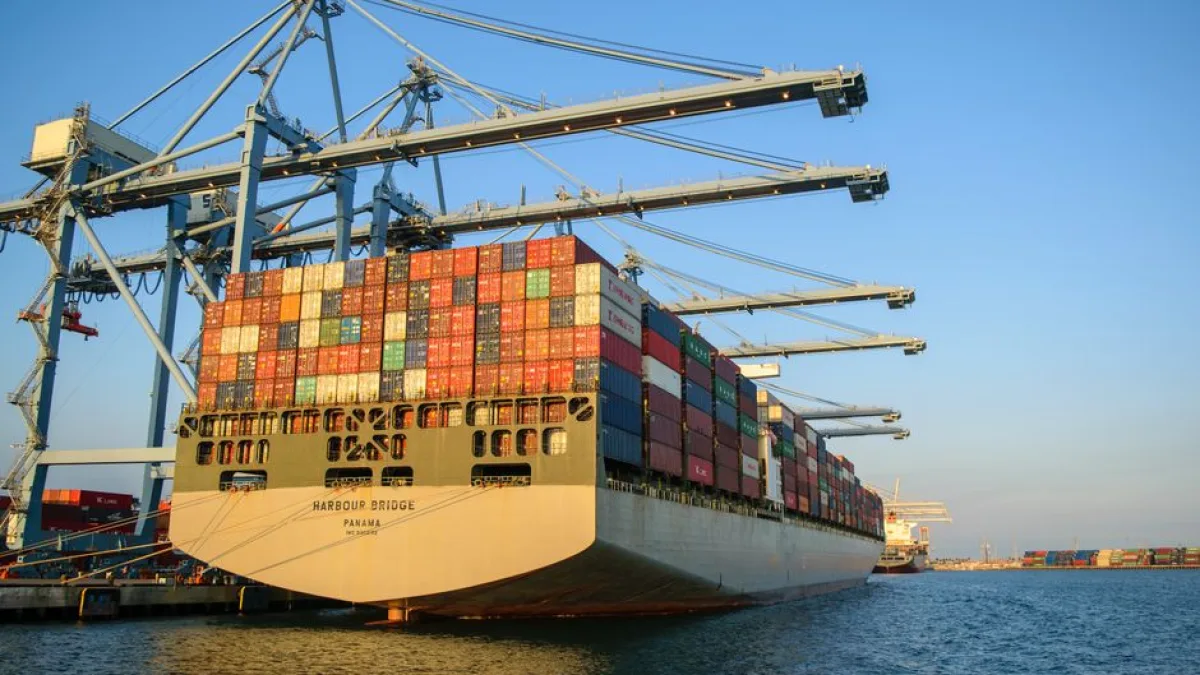
Digital automation serves as the foundation for modern freight forwarding operations. By replacing manual data entry with intelligent systems, companies significantly reduce human error and speed up the processing of shipments, allowing teams to handle higher volumes without increasing their headcount.
- Data Entry Automation: Integrate automated document processing to capture shipment details instantly from invoices or bills of lading, which removes the need for tedious manual keyboard input tasks.
- Task Assignment Rules: Configure your software to automatically route specific documentation tasks to the correct team members based on shipment type, urgency, or geographical destination parameters.
- Real-time Status Updates: Use automated triggers to send instant progress notifications to customers, ensuring that clients stay informed without constant phone calls or manual status checks.
- Integration Capabilities: Connect your operations platform with customs brokerage portals and carrier systems to ensure data flows seamlessly between all stakeholders involved in the supply chain.
Adopting these automated workflows empowers your team to handle complex logistics scenarios with remarkable precision. When repetitive tasks are handled by software, your staff can dedicate their energy to resolving shipment exceptions and building strong relationships with clients. This technological leap not only enhances your operational speed but also creates a more scalable business model that can adapt to changing industry demands effortlessly.
Real-time Shipment Tracking

Visibility is the primary currency of the current shipping era. Customers demand precise, instantaneous information regarding the location and status of their cargo, making comprehensive tracking tools essential for any forwarder aiming to provide top-tier service levels.
- Carrier API Connections: Integrate direct API feeds from ocean and air carriers to pull precise location data, ensuring that your tracking dashboard displays the most current information.
- Exception Management Alerts: Setup proactive monitoring systems that notify your operations team immediately when a shipment faces a delay or a change in its planned transit route.
- Customer Visibility Portal: Provide a secure web interface where your clients can log in to view the live progress of their freight without needing manual assistance.
- Historical Data Analysis: Review past transit times and delay patterns to identify which routes or carriers are most reliable for your specific cargo shipment requirements daily.
Providing total transparency changes the dynamic of your client interactions. Instead of fielding inquiries about shipment locations, you can focus on providing proactive solutions if disruptions occur. This high level of service differentiates your brand in a crowded market and builds lasting trust with your customers. As you gain better insight, your operations become more predictive, helping you anticipate potential hurdles before they appear.
Effective Document Control

Managing global trade requires an immense volume of documentation. Maintaining a centralized, digital repository ensures that every team member can access the latest versions of critical files while keeping compliance and security at the absolute forefront of operations.
- Cloud File Storage: Store all essential shipping documents in a centralized cloud environment, allowing your global team to access files securely from any location or device.
- Versioning Control Systems: Use automated version tracking to ensure that everyone works on the latest document edition, which prevents costly mistakes caused by outdated invoice data.
- Secure Access Rights: Implement granular permission settings to ensure that sensitive documents are only visible to authorized personnel, protecting your company and client data privacy.
- Searchable Digital Archive: Organize files with custom tagging systems, making it incredibly simple to retrieve historical documentation during audits or when answering complex customer service inquiries.
A paperless office environment is not just an eco-friendly goal but a necessity for operational agility. By digitizing your document management, you eliminate the risk of lost files and significantly speed up the billing and customs clearance cycles. Your ability to quickly retrieve and verify documents directly impacts your cash flow and regulatory compliance status, making digital document control a non-negotiable asset.
Strategic Vendor Communication

Success in freight forwarding relies heavily on the quality of your partnerships. Effective communication with carriers, agents, and ground transporters ensures that cargo moves smoothly and that any emerging issues are resolved before they become major operational headaches for clients.
- Centralized Messaging Hub: Consolidate all communication related to a specific shipment within one platform, ensuring that no vital instructions or updates are ever lost in emails.
- Direct Carrier Collaboration: Facilitate easier cooperation with shipping lines and trucking firms through shared digital dashboards that keep everyone aligned on booking and pickup requirements.
- Vendor Performance Metrics: Track key performance indicators for each of your transport partners to ensure that you are always working with the most reliable logistics providers.
- Standardized Communication Templates: Utilize pre-configured message templates to ensure that your instructions to vendors are consistent, clear, and reduce the chance of misinterpretation during transit operations.
Optimizing how you communicate with your network leads to smoother handoffs and fewer misunderstandings across the supply chain. When your partners are well-informed and aligned with your operational standards, the entire logistics process becomes more predictable and efficient. Investing in these communication channels creates a robust network that can reliably handle the challenges of global trade, ultimately supporting your company goal of expansion.
Conclusion

Mastering freight operations requires a combination of smart technology and optimized internal processes. By automating workflows, enhancing tracking visibility, securing your documentation, and fostering better communication with partners, you set your business up for sustainable growth. Start leveraging these digital strategies today to streamline your logistics, reduce operational overhead, and provide an exceptional level of service that keeps your clients coming back for more.