Optimizing Freight Operations for Modern Forwarding Success
Wednesday, August 26 2026
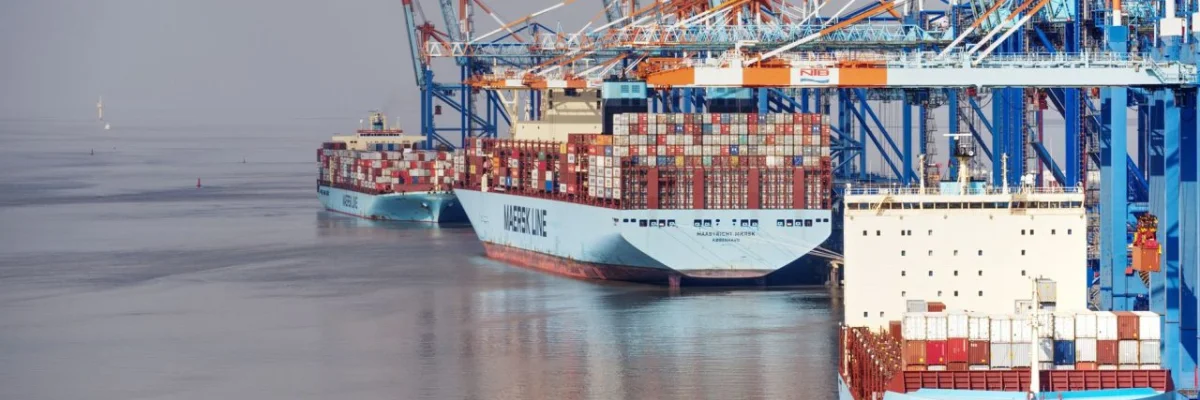
Freight forwarding is undergoing a massive transformation driven by digitalization and the need for greater transparency in global supply chains. Professionals are now expected to manage complex logistics networks while balancing rising client demands for real-time tracking and cost efficiency. As operational pressures mount, adopting cloud-based solutions has become essential for scaling businesses effectively. By refining core workflows and embracing automation, forwarders can eliminate manual bottlenecks, reduce costly human errors, and create a sustainable advantage in a highly competitive market that requires constant agility and a sharp focus on technological innovation to thrive.
Streamlining Documentation Workflows
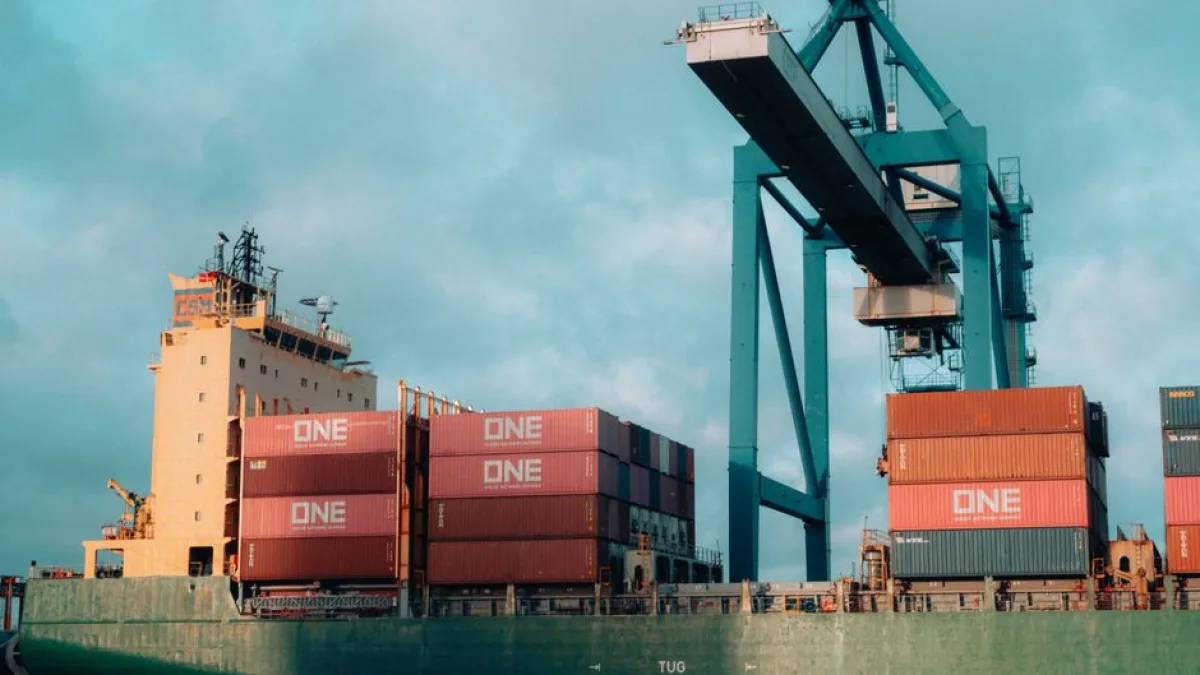
Manual paperwork often acts as a significant bottleneck for logistics teams dealing with high volumes of international shipments. Efficient document management ensures that every bill of lading and customs form is processed accurately and available for stakeholders whenever needed.
- Digitizing Paper Records: Transitioning from physical filing systems to cloud based repositories allows teams to access critical shipping documents instantly from anywhere while reducing storage costs and physical clutter.
- Standardizing Data Entry: Implementing automated capture tools minimizes the risk of manual typos by pulling information directly from invoices or packing lists into your core management system.
- Automated Validation Rules: Configure your software to run automatic checks on incoming documents to ensure all compliance requirements are met before the cargo reaches any port gate.
- Centralized Access Points: Providing a single source of truth for your entire team ensures that everyone views the most current version of shipping documents during operations.
By shifting away from legacy paper processes, forwarders gain the ability to process shipments faster and with much higher accuracy. Modern software tools turn static files into actionable data points that empower logistics coordinators to make informed decisions quickly. This operational transition not only saves valuable time but also enhances your professional reputation by consistently delivering reliable and error-free documentation to all global shipping partners.
Enhancing Real-time Shipment Visibility
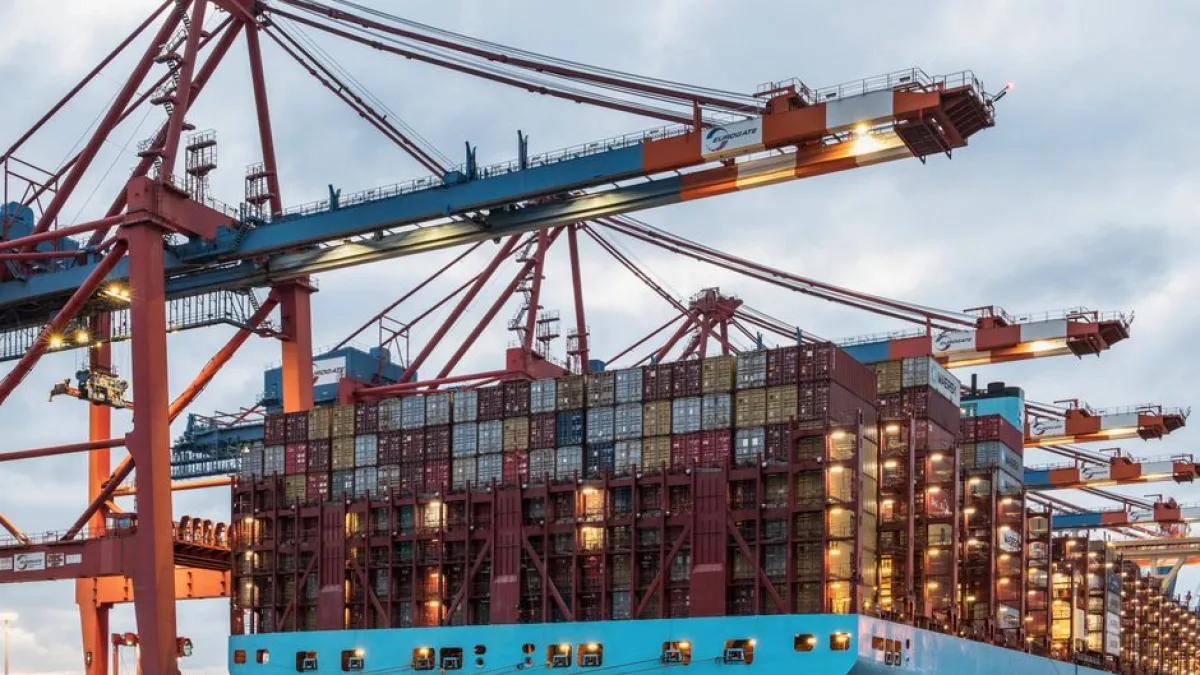
Customers today demand full visibility into their supply chains. Providing constant updates regarding the status and location of goods is no longer a luxury but a fundamental requirement for maintaining strong client relationships and competitive service standards.
- Integrated Tracking APIs: Connect your platform directly with carrier systems to pull live status updates into your dashboard for immediate visibility across various transport modes worldwide.
- Customer Notification Triggers: Set up automated alerts that inform your clients about shipment milestones such as vessel arrivals or customs clearance to improve overall communication transparency.
- Exception Management Alerts: Receive instant notifications when a shipment faces a delay or a route change so your team can proactively offer solutions to the client.
- Visual Mapping Tools: Utilize interactive dashboards to view the geographic movement of freight, allowing for better strategic planning and communication with all supply chain stakeholders.
Transparency is the foundation of trust in the freight industry. When forwarders provide high quality tracking data, clients feel more secure about their cargo investments. Leveraging real-time visibility tools allows your team to spend less time answering status queries and more time focusing on complex logistics challenges that require human expertise, ultimately leading to higher customer retention and brand loyalty.
Mastering Carrier Capacity Management

Managing carrier relationships and capacity requires a balance of negotiation and data-driven planning. Accessing accurate data on available space and current pricing allows forwarders to secure space during peak seasons while maintaining healthy profit margins for their business.
- Dynamic Rate Management: Centralize all your carrier contracts in one digital location to compare spot rates against long term agreements for every individual shipment request received.
- Predictive Capacity Planning: Analyze historical shipment data to forecast seasonal demand spikes, helping you reserve necessary space with carriers well before the busy peak season arrives.
- Carrier Performance Scoring: Track carrier reliability based on transit times and damage records to ensure you work only with the most dependable partners for sensitive cargo.
- Optimized Routing Choices: Evaluate multiple route options to find the best balance between cost and speed, ensuring your clients receive the most effective transport solution available.
Strategic capacity planning separates successful forwarders from those who struggle with fluctuating market conditions. By leveraging historical data and digital tools, you can navigate capacity crunches with greater confidence and maintain consistent service levels regardless of external market pressure. Effective management of carrier partnerships ensures that your business remains profitable and reliable even when global supply chain conditions become particularly unpredictable or difficult.
Automating Financial Settlement Processes

Financial operations often represent the most complex part of freight forwarding. Automating the invoicing and payment process ensures that cash flow remains consistent and that vendor payments are handled accurately to avoid any disruption in the logistics chain.
- Automated Invoice Creation: Generate accurate freight invoices automatically as soon as shipment milestones are met, ensuring that billing stays current with your actual operational activities today.
- Direct Payment Integration: Link your accounting software with bank portals to streamline vendor disbursements and customer collections, reducing the time spent on manual ledger reconciliation.
- Real Time Margin Tracking: Monitor the profitability of every individual shipment by automatically calculating all associated costs and revenue streams within your centralized platform environment daily.
- Simplified Audit Trails: Keep complete digital logs of every transaction to ensure full compliance with financial regulations and simplify the process during any annual tax audit.
Financial automation is vital for maintaining healthy cash flow in the logistics sector. By removing manual calculations and human oversight from the billing cycle, you prevent expensive payment delays and improve your operational efficiency. Reliable financial systems provide the clarity needed to make bold growth decisions, ensuring that your firm is always prepared for future investments and long term success goals.
Conclusion

Operational excellence requires a commitment to digital transformation and consistent process refinement. By leveraging cloud-based platforms to automate documentation, increase visibility, manage capacity, and streamline finances, forwarders position themselves for long term growth. Start your journey toward modernized freight operations today by evaluating how your current software supports these goals and identifying areas where better technology can drive significant improvements for your team.