Optimizing Freight Operations for Modern Forwarding Success
Sunday, August 30 2026
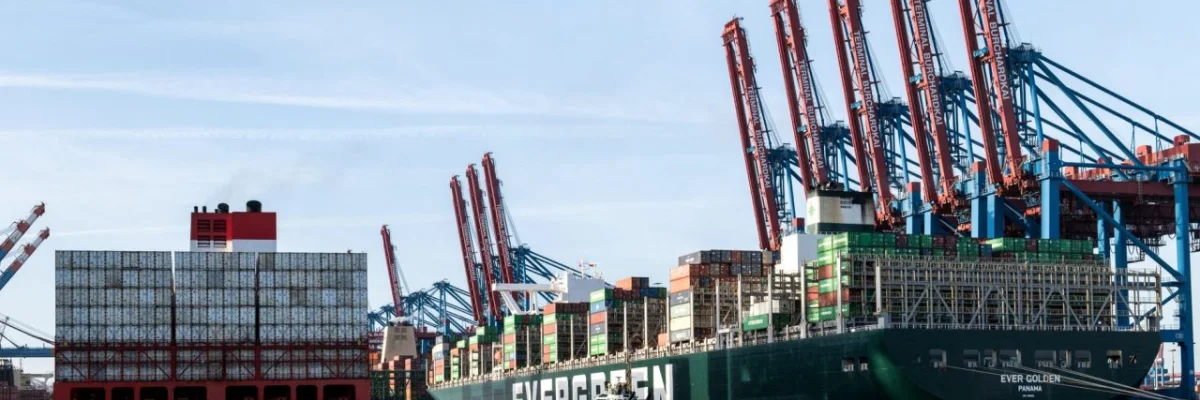
The global logistics landscape is undergoing a massive transformation driven by rapid technological advancements and increasing demands for supply chain transparency. For freight forwarders, the challenge lies in balancing operational speed with precise documentation and regulatory compliance. Manual processes and siloed systems often lead to costly delays and reduced visibility for your clients. By adopting cloud-based platforms and intelligent automation, businesses can overcome these hurdles, boost team productivity, and deliver superior customer service. This guide explores how professional forwarders can modernize their daily operations to remain competitive in an increasingly complex and interconnected international shipping market.
Digital Documentation Management

Modernizing your documentation workflow is the first step toward achieving operational excellence. By moving away from physical paperwork, your team can reduce errors, enhance security, and ensure that all stakeholders access the most current versions of critical shipping documents instantly.
- Automated Data Entry: Implement advanced optical character recognition tools to extract information from bills of lading and invoices, which significantly reduces human error and accelerates processing times for shipments.
- Centralized Cloud Storage: Maintain a single source of truth by hosting all digital files in a secure cloud environment, allowing team members to collaborate on shipments in real-time.
- Version Control Systems: Avoid confusion by using automated version control features that track every change made to shipping manifests, ensuring compliance during audits and reducing costly rework efforts.
- Secure Access Controls: Protect sensitive client data by setting granular user permissions, ensuring that only authorized personnel can view or edit specific project documents within your software.
Transitioning to a digital-first document strategy transforms how your team handles incoming freight requests. By automating repetitive administrative tasks, your staff can focus on high-value activities like relationship management and strategic routing decisions. As you eliminate bottlenecks, you will notice faster turnaround times for processing clearances, resulting in higher customer satisfaction levels and a much stronger reputation for reliability in the freight forwarding industry.
Real-Time Visibility Solutions
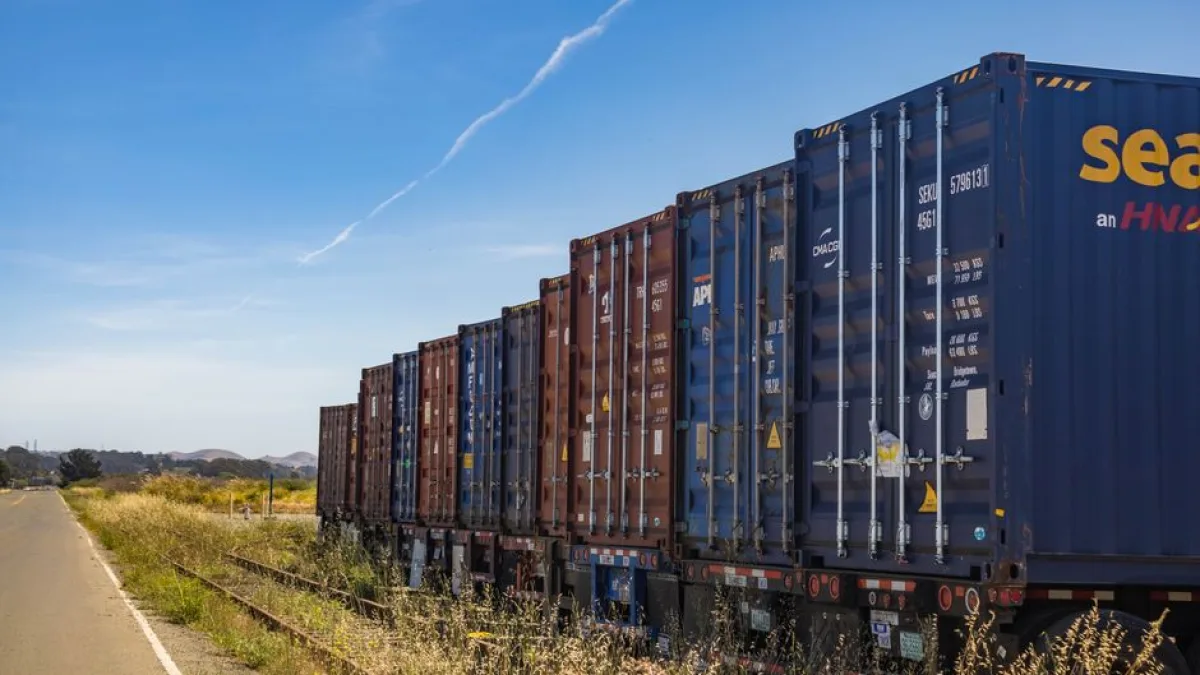
Visibility is the backbone of modern freight forwarding because clients expect instant updates regarding their cargo. Utilizing real-time tracking tools ensures that you provide accurate status reports throughout the entire journey, fostering trust and long-term loyalty with your partners.
- Live Tracking Integration: Connect your platform directly with carrier APIs to pull live data, giving your team and your customers an immediate view of cargo locations globally.
- Automated Status Alerts: Configure your software to send proactive notifications to clients whenever a shipment reaches a milestone, reducing the need for manual inquiries and phone calls.
- Exception Management Dashboards: Use visual dashboards to identify potential shipping delays before they escalate, allowing your operations team to take corrective action and manage client expectations effectively.
- Client Portal Access: Empower your customers by providing them with self-service access to shipment tracking and status history, which reduces the administrative burden on your support staff.
Enhancing visibility creates a competitive edge that keeps your business at the forefront of the logistics sector. When clients can access reliable data on demand, they spend less time chasing information and more time planning their own supply chain activities. This level of transparency reinforces your brand as a professional and tech-forward partner capable of navigating today's complex global transportation challenges with absolute confidence.
Automated Workflow Orchestration
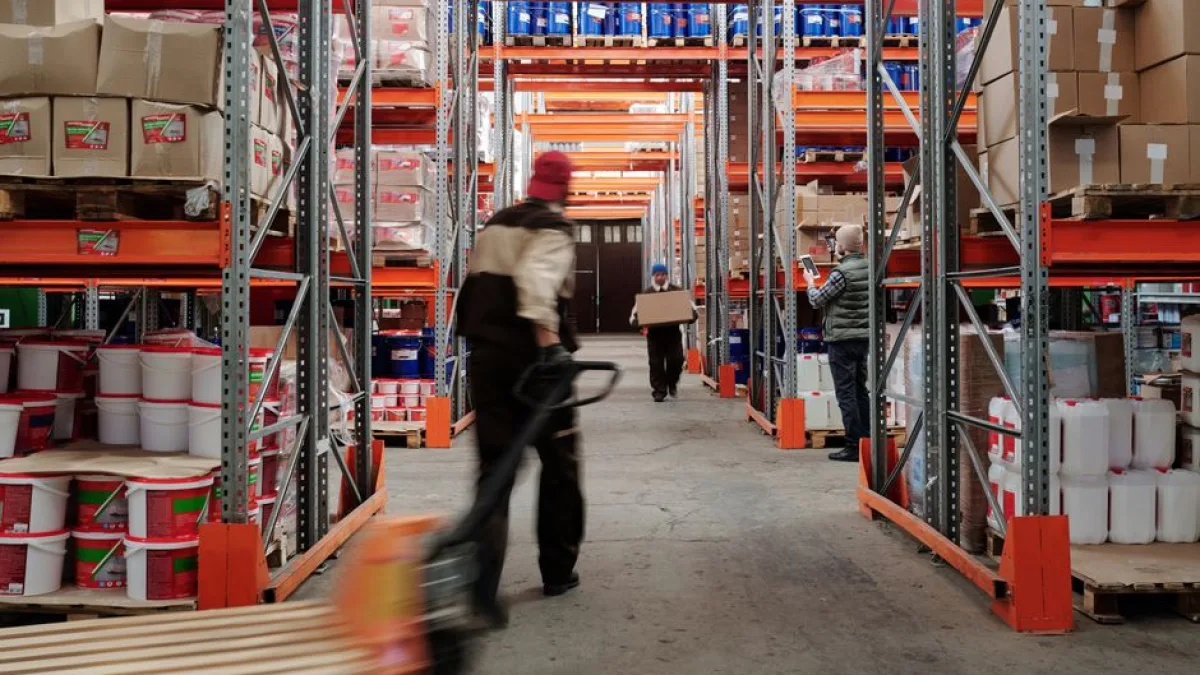
Efficient operations depend on the seamless movement of data between different stakeholders. Automated workflow orchestration synchronizes your internal processes, ensuring that every shipment moves through the required stages without unnecessary delays or human intervention regarding mundane clerical tasks.
- Custom Workflow Triggers: Define specific rules that automatically move shipments to the next operational phase upon completion of tasks, ensuring consistent processes are followed for every single booking.
- Interdepartmental Task Assignment: Notify team members automatically when a new document requires review, ensuring that no request is overlooked and maintaining steady momentum throughout the logistics cycle.
- Carrier Communication Tools: Utilize built-in messaging features that log every interaction with carriers, providing a clear audit trail that helps resolve disputes or clarify routing instructions quickly.
- Task Prioritization Engines: Rank pending operational tasks based on urgency and deadline, helping your team focus their limited time on the shipments that require the most attention.
Successful orchestration requires a unified system that connects disparate parts of your business into one coherent loop. By removing manual hand-offs between departments, you eliminate the risk of miscommunication and ensure that nothing falls through the cracks during busy shipping seasons. This structural efficiency allows your company to handle increased order volumes without needing a proportional increase in headcount or operational stress.
Predictive Analytics Implementation

Data is the most valuable asset in the logistics sector, yet many forwarders fail to leverage it effectively. Predictive analytics can transform historical shipment data into actionable insights, allowing you to optimize routes, manage costs, and anticipate market shifts before they impact your margins.
- Performance Trend Analysis: Evaluate historical carrier performance data to identify which routes offer the best reliability and cost savings, supporting better decision-making for future cargo bookings.
- Cost Optimization Insights: Analyze spending patterns across different service modes to find opportunities for consolidation and negotiation, significantly improving your bottom line and overall operational profitability.
- Demand Forecasting Tools: Project future shipment volumes based on historical seasonal patterns, allowing your team to allocate resources and warehouse space more effectively to meet projected customer needs.
- Financial Reporting Automation: Generate detailed profitability reports for individual shipments or clients instantly, providing the leadership team with the data necessary to refine pricing and business strategies.
Predictive analytics turns your operational data into a powerful tool for sustainable business growth. By identifying trends and inefficiencies early, you make smarter choices that save money and improve service quality over time. Adopting these advanced tools ensures that your firm is not just reactive but proactive, positioning you to thrive regardless of the changing economic conditions that affect global freight movement.
Conclusion

Modernizing your freight operations requires a commitment to digital transformation and continuous process improvement. By integrating smart documentation tools, real-time visibility, automated workflows, and predictive analytics, you can build a more resilient and efficient business. Start reviewing your current software stack today to see how these improvements can enhance your team productivity. Choose a solution that evolves with your long-term logistics ambitions.