Optimizing Freight Operations for Modern Forwarding Success
Monday, August 31 2026

The global logistics landscape is undergoing a massive transformation driven by digitalization and shifting market demands. Freight forwarders today face the pressure of balancing speed, accuracy, and customer satisfaction while managing complex international supply chains. To remain competitive, companies must look beyond manual processes and embrace cloud-based tools that provide real-time visibility and operational efficiency. This shift from legacy systems to agile, data-driven workflows defines the future of global trade. Adopting the right technology not only streamlines document management but also enhances client communication, ensuring that every shipment is tracked and managed with unparalleled precision throughout its transit lifecycle.
Mastering Digital Documentation

Automating your documentation flow removes the tedious burden of manual entry and minimizes human errors in shipping manifests. By leveraging cloud platforms, teams can sync records instantly, ensuring that all stakeholders have access to the latest version of critical documents without confusing email threads.
- Centralized document repository: Establish a secure digital hub where all invoices, packing lists, and customs declarations reside, allowing team members to access verified data from anywhere in the world instantly.
- Automated data validation: Use smart software logic to cross-check freight details against regulatory requirements, which prevents costly customs delays and ensures compliance before your cargo reaches the port terminal.
- Standardized filing protocols: Implement consistent naming conventions and storage structures across your organization to ensure that every shipment record is easy to find during audits or customer inquiries.
- Instant document sharing: Enable real-time collaboration by providing secure portals for agents, carriers, and clients to upload or download necessary shipping paperwork without relying on outdated paper-based manual handovers.
By shifting your focus to a paperless environment, you significantly reduce the cycle time required for processing shipments. When your team spends less time searching for lost files or retyping shipping data, they can focus on high-value activities like relationship building. This strategic transition creates a scalable framework that allows your business to handle larger shipping volumes without a proportional increase in administrative overhead costs.
Streamlining Global Communication

Clear and proactive communication forms the backbone of successful freight operations, especially when navigating complex international corridors. Modern platforms provide centralized messaging tools that consolidate client updates, carrier status alerts, and internal notes into one cohesive feed for every shipment.
- Unified communication logs: Keep every email, chat, and update tethered directly to the shipment record, ensuring that any team member can pick up a conversation without missing details.
- Proactive status alerts: Configure automated notifications for clients regarding their cargo progress, which effectively reduces the incoming volume of status check emails and improves your customer experience levels.
- Collaborative agent platforms: Connect your international network partners through a shared interface, which bridges geographic divides and aligns everyone on shipment requirements, deadlines, and critical documentation needs effectively today.
- Client portal access: Provide your shippers with 24/7 visibility into their current freight status via a professional portal, which builds trust and positions your firm as transparent.
Communication is the greatest differentiator in the logistics sector because it directly influences client retention and satisfaction. By moving away from fragmented communication channels like standard personal emails, you protect sensitive data and ensure that vital information is never lost. This organized approach creates a reliable audit trail, empowering your team to provide professional support and resolve potential issues with speed.
Leveraging Real-Time Visibility
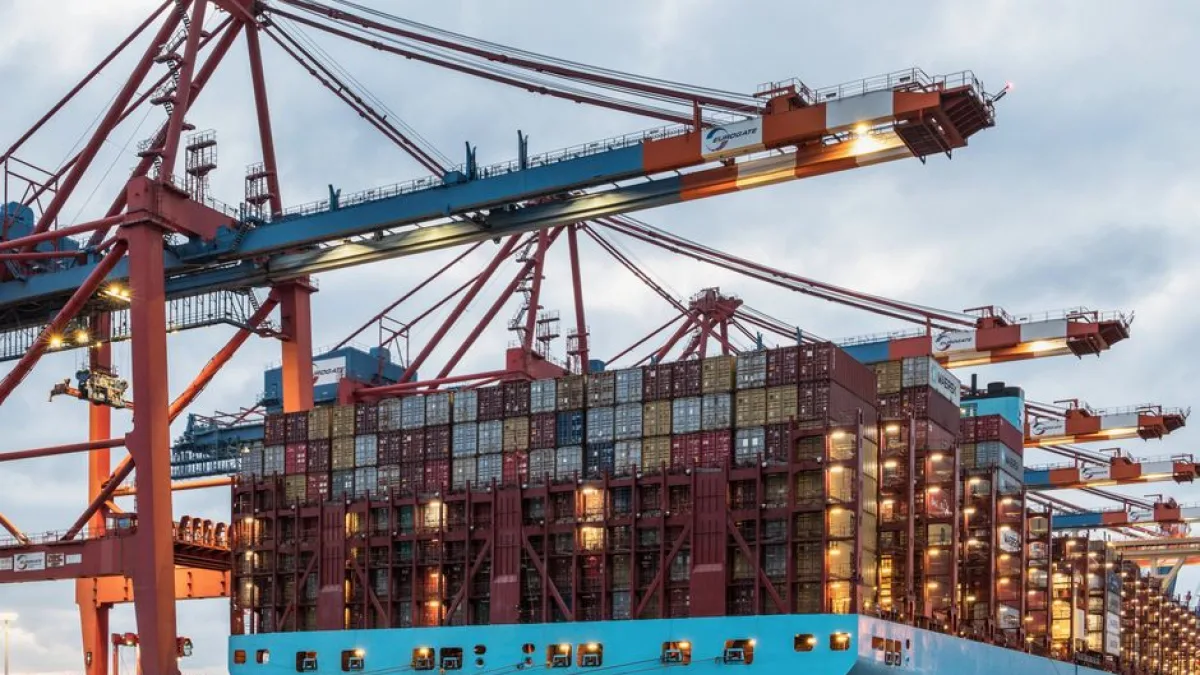
Real-time visibility tools provide the clarity needed to make proactive decisions in an unpredictable global market environment. By integrating live tracking data into your core platform, you can anticipate delays before they impact your clients and offer viable alternative logistics solutions.
- Integrated carrier tracking: Sync your software with major ocean and air carrier APIs to pull live milestone updates directly into your main dashboard for every active shipment.
- Proactive delay management: Monitor transit patterns to spot potential bottlenecks early, allowing your dispatch team to reroute shipments or update clients well before the expected delivery window passes.
- Predictive shipment analytics: Analyze historical transit performance data to choose the most reliable carriers for specific trade lanes, which ultimately improves your long-term operational success and profitability.
- Live location monitoring: Utilize GPS-enabled visibility tools to provide shippers with precise cargo updates, turning raw tracking data into a high-value service offering for your best clients.
Visibility is no longer just a luxury feature for large-scale operations. It is a fundamental expectation for every shipper in the modern logistics economy. When you provide accurate, up-to-the-minute data, you reduce the anxiety associated with international transit and establish your company as a reliable partner. This commitment to transparency helps you secure repeat business and provides a competitive edge over local firms.
Automating Financial Workflows

Financial reconciliation in freight forwarding is notoriously complex, but modern software automates the conversion of shipping data into accurate invoices. Integrating your billing processes with operational workflows ensures that costs are captured immediately, reducing the time between job completion and final payment collection.
- Dynamic invoice generation: Automatically populate your billing documents with data from shipment files to ensure accuracy, preventing revenue leakage caused by missing accessorial charges or clerical errors.
- Streamlined payment tracking: Connect your financial platform to bank gateways or payment processors to monitor incoming funds and reconcile accounts receivable tasks without manual bank statement reviews.
- Automated profit reporting: Generate instant reports on every shipment to analyze margins, helping you identify high-performing trade lanes and adjust your pricing strategy based on actual costs.
- Vendor cost reconciliation: Quickly match incoming carrier invoices against quoted rates to ensure you are not overpaying for services, which keeps your bottom line healthy and profitable.
Optimized financial workflows are essential for maintaining steady cash flow within a capital-intensive industry. By automating the link between operational milestones and billing events, you remove the common bottleneck of manual invoice creation. This efficiency gain allows your accounting team to focus on strategic growth rather than repetitive data entry tasks, ensuring that your firm remains financially healthy and ready for scaling.
Conclusion

Success in the modern freight industry requires a commitment to digital transformation and continuous process improvement. By centralizing your operations, automating documentation, and embracing real-time visibility, you position your firm to thrive amidst global complexities. Focus on selecting software tools that integrate seamlessly with your existing workflows to maximize productivity. Start your digital transition today to ensure long-term sustainability and consistent service quality for your shipping clients.