Optimizing Freight Operations for Modern Forwarding Success
Sunday, September 6 2026
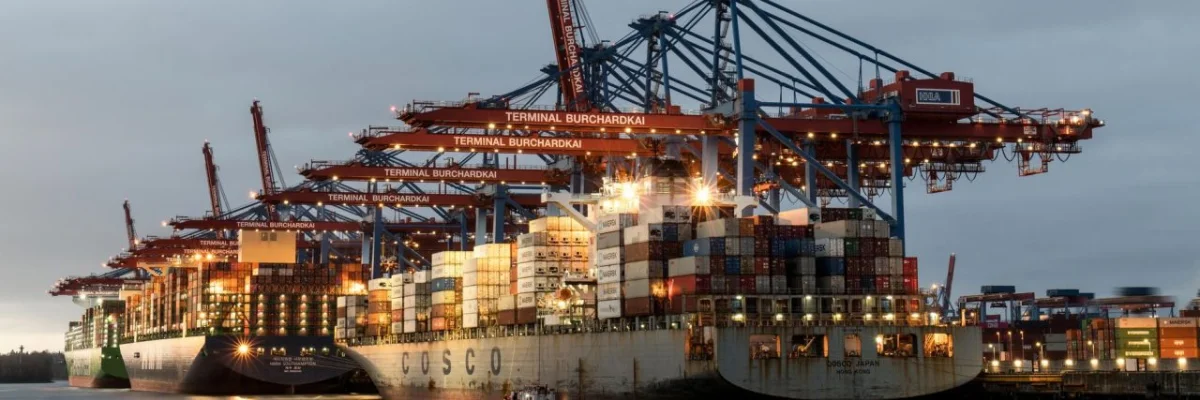
The global logistics landscape is undergoing a massive transformation driven by rapid technological advancement and increasing demands for supply chain transparency. For freight forwarders, the ability to manage complex operations efficiently is no longer just a competitive advantage but a fundamental requirement for survival in a crowded market. Manual processes and siloed data systems often create bottlenecks that hinder growth and customer satisfaction. By adopting integrated cloud platforms, forwarders can synchronize their internal workflows with external partner networks, ensuring that every shipment is tracked, processed, and delivered with precision while minimizing human error across the entire logistical lifecycle.
Digitizing Operational Workflows
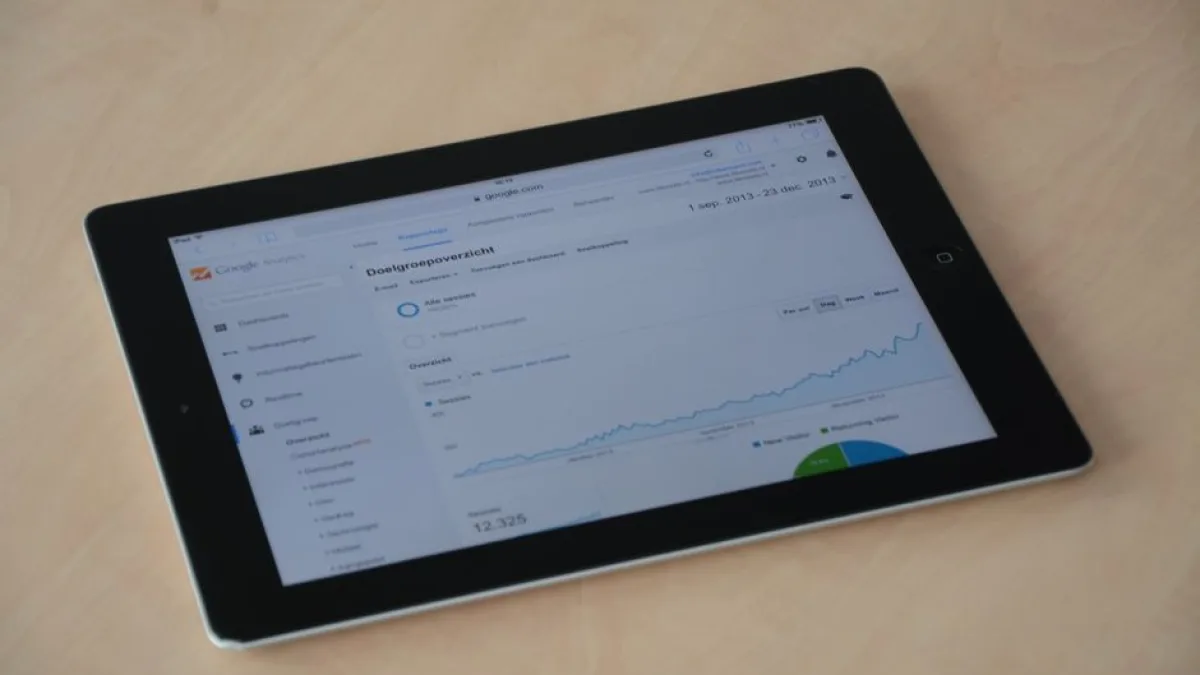
Modern digital workflows enable forwarders to move away from spreadsheet reliance toward automated operational excellence. By centralizing data entry and document management, teams can reduce the time spent on administrative tasks while maintaining high levels of accuracy across every single shipment file.
- Automated Data Entry: Implement intelligent software tools that extract data from shipping documents automatically to minimize manual input errors and accelerate the booking process for your logistics team.
- Centralized Document Storage: Maintain a secure cloud repository where all shipping manifests and invoices are stored, allowing team members to access critical information from any global location.
- Real-time Task Tracking: Assign specific operational tasks to individual team members within the platform to ensure accountability and monitor progress toward completion for every active shipment file.
- Standardized Process Templates: Utilize pre-defined operational workflows that guide your team through each stage of a shipment, ensuring consistent service quality and compliance with all industry regulations.
Transitioning to a digital-first operational model allows your staff to focus on strategic client relationships rather than chasing paperwork. By eliminating redundant data entry and streamlining communication channels, you empower your organization to handle higher volumes with existing resources. This shift not only lowers operational costs but also provides the scalable foundation required to expand your freight services into new global markets effectively.
Streamlining Carrier Communications

Effective communication with carriers and agents remains the backbone of successful freight operations. By leveraging digital connectivity, forwarders can replace fragmented email chains with integrated systems that keep all stakeholders aligned on updates and potential cargo disruptions throughout transit.
- Unified Messaging Systems: Consolidate all external communications with shipping lines and trucking partners into a single platform to prevent critical messages from being lost in crowded inboxes.
- Automated Status Updates: Configure your software to send triggered status alerts to carriers, ensuring that they remain informed about booking changes without requiring manual phone calls.
- Integrated Partner Portals: Provide your trusted agents with secure access to shared shipment data to foster transparency and reduce the need for constant status check emails.
- Proactive Issue Resolution: Detect potential delays through real-time monitoring tools, allowing your team to communicate with carriers early and resolve logistical hurdles before they impact your clients.
Stronger communication frameworks are essential for maintaining professional standards and building trust with your carrier partners. When information flows seamlessly between parties, the risk of miscommunication drops significantly. This approach fosters long term partnerships that benefit your agency during peak seasons when capacity becomes tight and reliable carrier support is necessary to keep your client goods moving across borders.
Enhancing Shipment Visibility
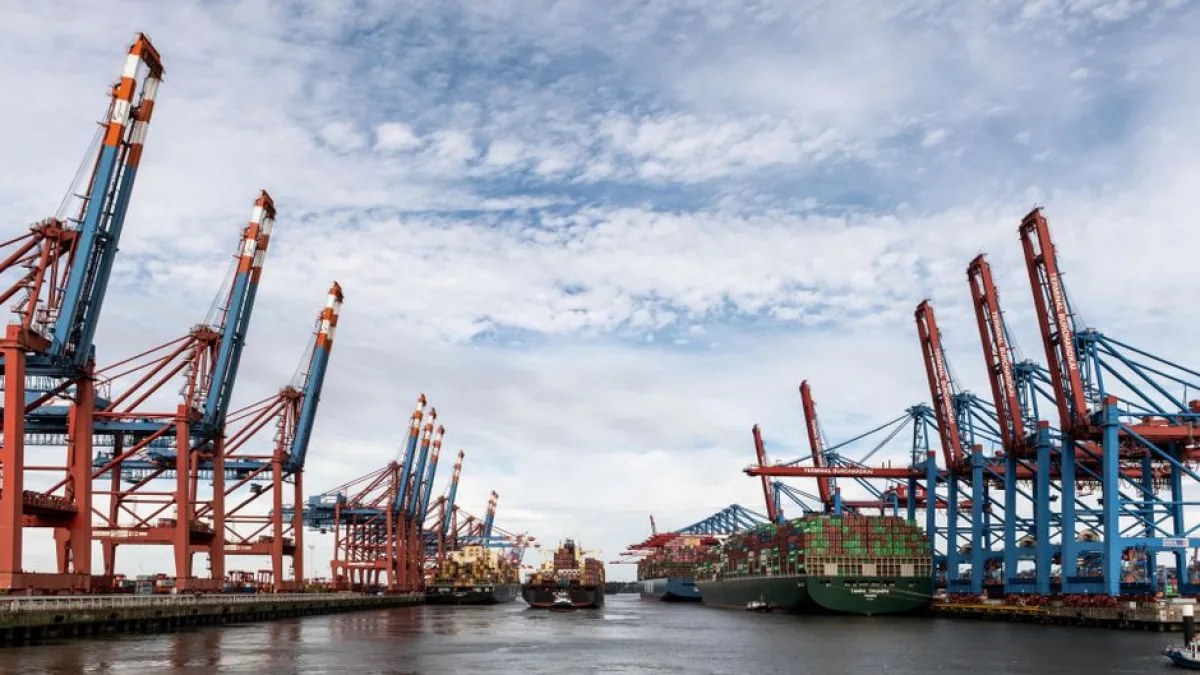
Clients today expect instant visibility into the status of their cargo regardless of the transit mode or geography. Providing clear, real-time tracking updates enhances your value proposition and builds deep loyalty among your diverse client base of importers and exporters.
- Real-time Tracking Links: Generate automated tracking portals for your customers, allowing them to monitor shipment status updates without needing to contact your operations team for details.
- Exception Management Alerts: Set up smart notifications that alert your clients automatically if a shipment encounters an unexpected delay at a transshipment point or local port.
- Integrated Mapping Interfaces: Display live vessel or truck locations on your customer dashboard to offer visual confirmation of transit progress and improve the overall user experience.
- Historical Data Analysis: Store shipment history within the platform to provide clients with detailed performance reports that highlight transit times and carrier reliability for future planning.
Visibility is the primary currency of the modern logistics industry. By providing your customers with transparent, accurate, and timely tracking data, you position your agency as a technology leader rather than a traditional freight broker. This high level of service reduces the volume of inbound status inquiries, allowing your operations team to dedicate more time to complex logistics challenges and high-value customer acquisition.
Automating Financial Accounting

Managing financial workflows manually is a significant source of operational friction and payment delays. Integrating your freight management platform with accounting software ensures that your cash flow remains healthy and your billing cycles are always efficient and error-free.
- Automated Invoicing Generation: Trigger invoices instantly upon shipment completion by pulling data directly from your operational records, ensuring that your billing is always accurate and timely.
- Seamless Ledger Integration: Synchronize your freight platform with existing accounting systems to ensure that all financial data matches perfectly across your company internal records and reports.
- Payment Status Monitoring: Track accounts receivable and payable in real-time, giving your finance department a clear view of your operational cash flow and pending debt obligations.
- Digital Expense Auditing: Attach digital copies of vendor invoices to customer shipment records to simplify audit procedures and ensure that all costs are recovered during billing.
Automated accounting is the final piece of the operational puzzle for high performing freight forwarders. By removing manual invoice preparation, you speed up your revenue collection process and reduce the likelihood of costly billing disputes. Adopting these automated financial practices allows your team to focus on profit margins rather than clerical accounting errors, ultimately driving significant growth for your freight forwarding business.
Conclusion
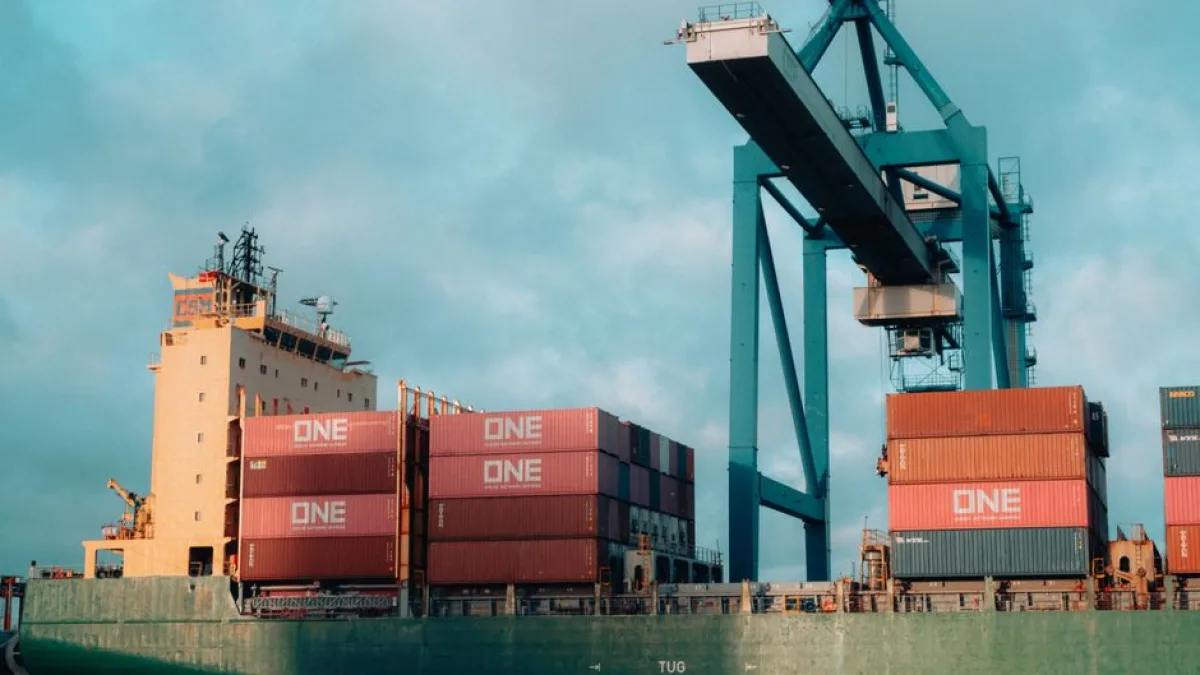
Mastering freight operations requires a commitment to digital integration and the continuous improvement of internal processes. By automating data entry, streamlining communication, enhancing cargo visibility, and digitizing financial systems, you create a robust platform for long term growth. Start evaluating your current operational bottlenecks today to identify which manual tasks can be moved to the cloud, ensuring your business stays ahead of the competition.