Optimizing Freight Operations for Modern Forwarding Success
Monday, September 7 2026

Modern freight forwarding is an incredibly complex balancing act that requires precision, speed, and constant communication across global supply chains. As global trade volumes fluctuate and customer expectations for real-time visibility rise, manual processes and fragmented data silos no longer suffice for competitive growth. Forwarders must adopt digital strategies that transform how they handle documentation, carrier relations, and client requests. By leveraging cloud-based platforms, logistics providers can automate repetitive tasks, reduce human error, and unlock new levels of transparency. Embracing these technological advancements is not just a trend but a fundamental necessity for operational resilience and profitability in today's high-stakes shipping industry.
Streamlining Documentation Workflows

Document management remains one of the most labor-intensive tasks for freight forwarders, often involving endless emails and manual data entry. Digitizing these workflows eliminates bottlenecks, ensures compliance, and allows team members to access critical shipping documents from any global location instantly.
- Centralized document storage: Cloud-based repositories ensure that every team member can access the latest version of shipping documents, preventing costly errors caused by outdated information or lost email attachments.
- Automated data extraction: Intelligent systems scan and pull critical data from invoices and bills of lading, significantly reducing the manual effort required for accurate and fast database entry.
- Secure digital access: Permission-based security settings allow you to share sensitive cargo details safely with clients and carriers, maintaining high data integrity while streamlining the overall communication process.
- Error reduction strategies: By implementing automated validation checks, your platform can identify inconsistencies in documentation before they become major issues, saving valuable time during customs clearance and processing.
Transitioning to a paperless environment fundamentally changes how your business operates by removing physical friction from the document lifecycle. When teams spend less time hunting for files and more time managing high-value shipments, overall productivity soars. This structural shift allows your forwarding firm to scale effectively while providing a superior experience to clients who demand instant access to their shipping information every single day.
Improving Carrier Collaboration Efficiency
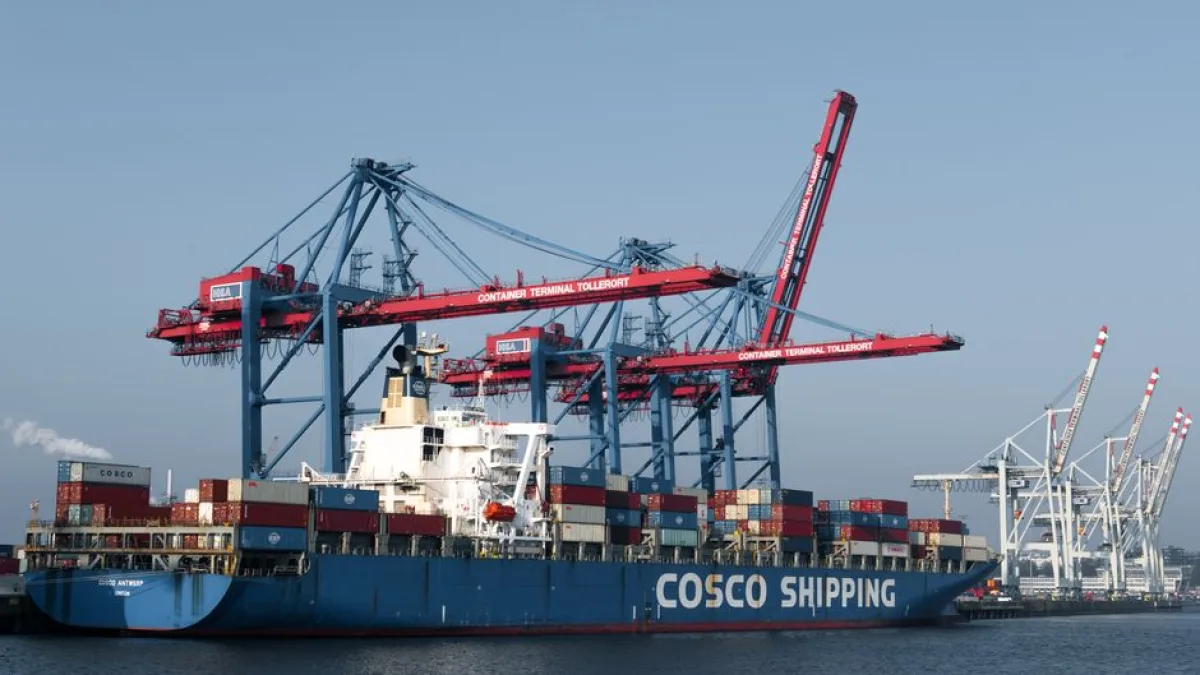
Strong partnerships with ocean carriers and logistics providers are vital for smooth operations. Improving your digital collaboration tools helps you negotiate better rates, track shipments accurately, and resolve delays faster by keeping all stakeholders aligned through a unified interface.
- Instant booking updates: Integrated platforms allow for real-time communication with carriers, ensuring that booking confirmations and schedule changes are relayed to the operations team without any manual delays.
- Standardized data exchange: Utilizing standardized file formats ensures that information flows seamlessly between your internal system and external carrier systems, reducing integration issues and technical friction significantly.
- Performance monitoring tools: Data-driven analytics help you track carrier reliability and transit times, empowering you to make informed decisions when selecting partners for specific shipping routes.
- Direct messaging features: Embedded chat or comment functions within the shipment file keep all carrier correspondence in one location, preventing vital information from being buried in private email threads.
Efficient collaboration is the backbone of reliable service delivery in a competitive market. When your operations team communicates clearly with carriers using shared digital tools, they can address disruptions before they escalate into major customer service crises. This proactive approach not only builds stronger relationships with service providers but also reinforces your reputation as a dependable partner capable of handling complex logistics challenges effectively.
Leveraging Real-Time Shipment Visibility

Providing clients with accurate, real-time tracking data is no longer a luxury but a baseline expectation. Implementing advanced visibility tools allows you to monitor cargo status from origin to destination, enabling rapid response to any unforeseen logistical hurdles during transit.
- Automated status notifications: Send proactive updates to your customers automatically whenever a shipment reaches a new milestone, reducing the burden on your team to answer status inquiries.
- Geographic mapping integration: Visual tracking maps provide clients with a clear view of their cargo location, adding a layer of transparency that builds immense trust and loyalty.
- Exception management alerts: Receive immediate notifications for unexpected events like port congestion or weather delays, allowing you to inform stakeholders and implement backup plans without delay.
- Integrated tracking APIs: Connect your software directly to carrier systems to pull live data updates, ensuring the information your clients see is always current and completely accurate.
True visibility creates a competitive edge that keeps customers coming back to your services. By transforming complex tracking data into simple, actionable insights, you allow your clients to manage their own supply chains with total confidence. This shift from reactive to proactive communication transforms your client relationships from simple vendor status into a true strategic partnership built on reliable information and total operational transparency.
Scaling Through Automated Billing Processes

Billing and invoicing tasks are often the most overlooked areas for operational improvement in freight forwarding. Automating these financial workflows not only accelerates your cash flow but also minimizes the risks associated with manual accounting errors and delayed payments.
- Automated invoice generation: Systematize the creation of invoices based on shipment data to ensure that billing is accurate and completed immediately upon the completion of a specific task.
- Integrated financial reporting: Connect your operations platform with accounting software to provide a holistic view of your financial health, identifying profitable routes and areas for cost reduction.
- Streamlined payment tracking: Automated reminders and status flags help your accounts team track incoming payments, reducing days sales outstanding and keeping your company cash flow very healthy.
- Currency management features: Handle international shipments with ease by using automated tools that track exchange rates and calculate costs in multiple currencies accurately and without manual effort.
By automating the financial side of your operations, you liberate your accounting staff from repetitive data entry. This efficiency allows them to focus on high-level financial analysis and strategic growth rather than basic invoice processing. Faster billing cycles lead to improved relationships with carriers and clients alike, positioning your company for long-term growth and sustained financial stability in a changing logistics environment.
Conclusion
Mastering freight operations requires a commitment to digital transformation and continuous process refinement. By centralizing documentation, fostering better collaboration, prioritizing visibility, and automating financial tasks, your forwarding business can achieve new heights of efficiency. The path to long-term success lies in adopting the right software tools that align with your operational goals. Start optimizing your workflows today to remain agile and competitive in this rapidly evolving market.