Optimizing Freight Operations for Modern Forwarding Success
Sunday, September 13 2026

Freight forwarding is currently navigating a period of unprecedented digital transition. Professionals in this sector face mounting pressures to increase transparency while maintaining margins in a volatile global market. The traditional reliance on manual data entry and fragmented communication channels no longer suffices to compete against agile, tech-driven rivals. Forwarding teams must prioritize operational visibility and internal system integration to remain resilient. By adopting cloud-native platforms, businesses can synchronize workflows, reduce human error, and provide clients with the real-time status updates they expect. This strategic shift is no longer just an advantage but a fundamental requirement for long-term viability.
Automating Shipment Documentation

Streamlining the documentation process is essential for reducing delays in customs clearance and port processing. When teams move away from manual spreadsheets to automated systems, they save hours of labor and significantly minimize the risk of costly entry errors.
- Reducing manual errors: Automating data entry ensures that vital shipment information remains consistent across all documents, which prevents expensive delays at border control and improves overall customer trust.
- Speeding up workflows: Electronic processing allows documentation to be shared instantly between carriers and agents, effectively removing bottlenecks that previously hindered the rapid movement of global freight cargo.
- Enhancing data security: Cloud platforms provide encrypted storage solutions that protect sensitive client data from unauthorized access while maintaining full compliance with modern international privacy and security standards.
- Improving audit trails: Systematic logging of every document change creates a clear history for compliance officers, making it easier to resolve disputes and verify shipment facts quickly.
By leveraging automated tools, your staff can transition from mundane clerical tasks to high-value account management duties. This migration significantly improves employee morale while boosting the overall output of your operations department. When documentation is digitized and managed through a unified platform, the entire lifecycle of a shipment becomes predictable, allowing for better planning and more accurate delivery forecasts for your valued shipping clients.
Managing Carrier Relationships

Strong partnerships with ocean, air, and road carriers are the foundation of any successful freight operation. Maintaining clear communication channels and performance metrics ensures that you can secure capacity during peak seasons while negotiating the best possible rates for clients.
- Monitoring carrier performance: Tracking lead times and service reliability helps you evaluate which partners deliver the most value, ensuring that your clients receive top-tier service consistently.
- Centralized communication logs: Keeping all emails and notes within a single platform ensures that any team member can pick up a conversation without losing critical context.
- Strategic rate management: Efficiently storing and comparing carrier quotes allows your team to find the most cost-effective routes without wasting time on manual cross-reference checks.
- Dispute resolution efficiency: Accessing historical performance data makes it easier to resolve billing discrepancies or service failures with carriers by providing concrete, evidence-based data for discussions.
Building deep trust with logistics providers requires consistency and transparency in how you manage your shared workload. When both parties operate from a shared set of digital facts, misunderstandings regarding bookings or rates become much less frequent. This level of professional alignment creates a buffer during times of market disruption, ensuring that your freight maintains priority status even when global capacity is tight.
Real-Time Shipment Visibility
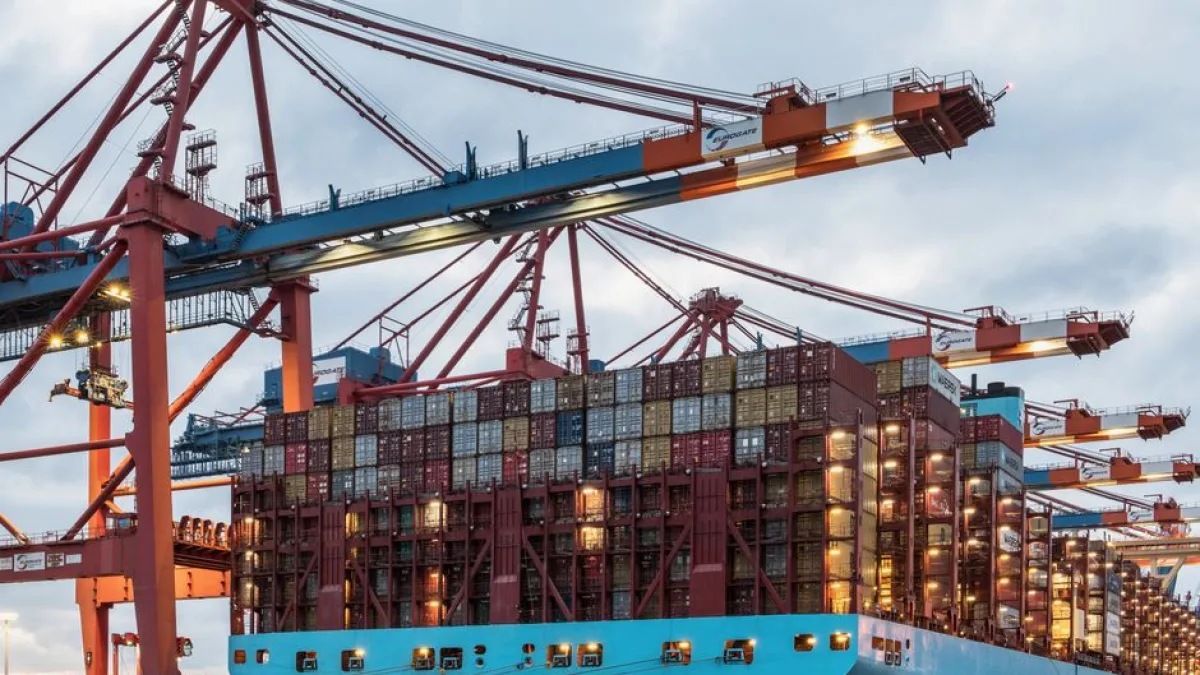
Providing customers with live updates on their cargo status has become the new industry standard. Modern freight forwarders must utilize integrated tracking solutions that pull data directly from carrier sources to provide accurate milestones throughout the entire journey.
- Live tracking updates: Integrating API feeds from carriers allows your dashboard to reflect exact shipment positions, giving customers peace of mind without needing to call your office.
- Proactive exception management: Automated alerts notify your team as soon as a delay is detected, allowing you to inform customers early and present alternative routing options.
- Enhancing client portals: Providing a dedicated portal for customers increases retention by giving them self-service access to their documentation and current shipment tracking details anytime.
- Improving delivery precision: Access to historical data and real-time inputs helps you provide more accurate arrival estimates, which is a major factor in client loyalty programs.
Visibility is more than just knowing where a container is located. It is about transforming raw data into actionable insights that help your clients manage their own supply chains effectively. By delivering this level of clarity, you position your firm as a strategic partner rather than a simple logistics vendor. This approach fosters long-term relationships and drives referral business in competitive markets.
Scalable Financial Management

Integrating financial workflows directly into your operations platform eliminates the gap between shipping execution and billing. This synchronization ensures that revenue recognition happens as soon as services are performed, which stabilizes cash flow and improves accounting accuracy throughout.
- Automated invoice generation: Converting operational data into invoices instantly reduces the time between cargo delivery and final payment collection, which is vital for maintaining healthy company liquidity.
- Reducing billing discrepancies: Aligning invoices with pre-agreed carrier rates minimizes the number of disputes you have with clients, speeding up the overall accounts receivable collection process significantly.
- Currency management tools: Advanced systems handle multiple currencies and exchange rates automatically, preventing losses that occur when calculations are performed using outdated or manual conversion methods.
- Reporting and analytics: Gaining deep insights into your profit margins per shipment or client helps leadership teams make informed decisions about future business growth and strategy.
Financial health is the heartbeat of any freight forwarding enterprise. By digitizing your billing process, you create a scalable environment where your administrative team can handle higher volumes without needing proportional increases in headcount. This efficiency allows you to focus capital on growth initiatives like technology upgrades or geographic expansion. Maintaining a healthy bottom line requires the kind of precision that only digital integration offers.
Conclusion

Transforming your freight operations requires a commitment to digital tools that connect your staff, carriers, and customers into one cohesive network. By focusing on automation, visibility, and financial synchronization, you can build a more resilient business capable of navigating any market condition. Start evaluating your internal processes today and implement the technology needed to keep your freight moving forward into the future.