Optimizing Freight Operations for Modern Forwarding Success
Sunday, September 20 2026
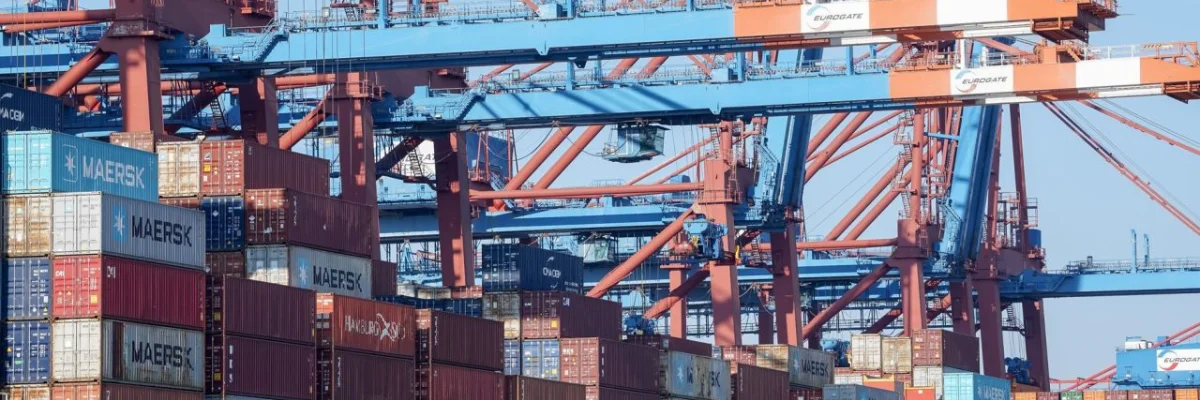
Modern freight forwarding is an increasingly complex environment where efficiency determines profitability. As global supply chains expand, forwarders face mounting pressure to manage documentation, track shipments, and coordinate with carriers seamlessly. Relying on manual processes leads to bottlenecks that hinder growth and frustrate clients who demand real-time visibility. By leveraging cloud-based platforms like MakeCargo, logistics professionals can centralize their data and eliminate redundant tasks. This shift allows teams to focus on strategic decision-making rather than repetitive administrative burdens, ensuring that your organization remains competitive and responsive in a volatile international trade marketplace that never slows down.
Digitizing Documentation Processes

Manual paperwork often acts as a major anchor on productivity, causing delays in processing bills of lading and customs forms. Digitizing these workflows ensures that your team maintains a paperless environment while significantly reducing the risk of costly human errors.
- Automated Data Entry: Implement systems that automatically extract information from shipping documents to eliminate manual re-keying tasks which often lead to high error rates and significant shipment processing delays.
- Centralized Document Storage: Maintain a secure cloud repository where all shipping files remain accessible to authorized team members, ensuring everyone works from the most current and verified document versions.
- Version Control Systems: Track every modification made to essential trade documents to ensure accountability, audit readiness, and clarity when multiple stakeholders collaborate on a single complex international shipment file.
- Template Management Tools: Create and store standardized document templates to ensure consistency across your entire organization, allowing staff to generate professional paperwork in seconds rather than manual drafting.
Adopting digital document management transforms the way your office functions by saving hours of manual labor every week. When staff members spend less time sorting through physical folders, they can dedicate more energy toward customer service and complex logistics planning. This transition not only boosts operational speed but also creates a more organized and scalable workspace for your growing freight forwarding business.
Achieving Real-Time Shipment Visibility

Clients expect constant updates on the location and status of their cargo regardless of the transit mode. Providing this transparency is vital for maintaining trust and reducing the volume of inbound status inquiries that drain your team's valuable time.
- Integrated Tracking API: Connect your software directly with carrier systems to receive automatic status updates, which eliminates the need for manual check-ins via emails or phone calls.
- Live Dashboard Updates: Provide your internal team with a centralized view of all active shipments to monitor progress and proactively identify any delays before they affect customers.
- Client Portal Access: Grant your shippers secure access to a branded dashboard where they can view shipment milestones, status changes, and documentation without needing to contact you.
- Proactive Exception Alerts: Configure automated notifications that trigger when a shipment hits a bottleneck or unexpected event, allowing your team to resolve issues before clients become concerned.
Visibility serves as the backbone of superior customer satisfaction in the logistics industry. When you empower shippers with self-service tools, your team experiences a notable reduction in routine status update requests. This efficiency gain allows freight forwarders to focus on high-value tasks such as managing exceptions and nurturing client relationships, ultimately leading to higher retention rates and a stronger reputation.
Streamlining Financial Workflows

Managing billing and payments requires extreme precision to maintain healthy cash flow and professional relationships with carriers. Automating your financial operations helps prevent oversight while ensuring that all invoices are accounted for and settled according to strict contract terms.
- Automated Invoice Creation: Generate accurate freight invoices instantly from your shipment data to ensure that billing is fast, error-free, and directly aligned with the agreed service rates.
- Vendor Reconciliation Tools: Compare carrier invoices against your original quotes to catch overcharges or errors, ensuring that your company never pays more than the established market rate.
- Payment Status Tracking: Monitor every outstanding payment and incoming receipt through a single financial interface, giving you a clear picture of your current liquidity at all times.
- Multi-Currency Support Systems: Handle international transactions with ease by utilizing software that manages currency conversions and maintains accurate records of exchange rates for every specific freight shipment.
Efficient financial workflows are essential for maintaining the long-term financial health of your freight forwarding enterprise. By reducing the time spent on manual accounting tasks, your finance team gains more oversight over profitability and cash flow. These improvements provide the stability needed to invest in further growth, allowing you to scale your business operations without needing to hire additional administrative personnel.
Enhancing Partner and Carrier Collaboration

Building strong partnerships with carriers and agents is the secret to managing complex lanes successfully. A collaborative environment ensures that communication remains fluid and that all parties stay aligned on the specific requirements for every single high-stakes move.
- Vendor Portals Access: Enable your carrier partners to upload their own documents and status updates directly into your system, reducing the administrative burden on your internal staff.
- Communication Audit Trails: Log all interactions with partners within the specific shipment file to ensure that every decision is documented for future reference or potential dispute resolution.
- Shared Operational Workspaces: Utilize collaborative software environments where agents can update local transit information in real-time, providing your headquarters with a truly global perspective on performance.
- Performance Reporting Tools: Evaluate carrier reliability and service quality using historical data to ensure that you are working with the best partners for your specific client needs.
Strong collaboration reduces the likelihood of misunderstandings that often cause service failures in the logistics sector. By fostering a transparent network, you ensure that your partners are just as invested in the success of the shipment as your own team. This integrated approach builds a resilient supply chain that can withstand market fluctuations while delivering consistent results for your valuable shipping clients.
Conclusion

Optimizing your operations is a continuous process that yields massive dividends in efficiency and client satisfaction. By embracing digital tools, you position your freight forwarding business at the forefront of the industry. Evaluate your current workflows, identify areas where manual work persists, and integrate solutions that provide automation and visibility. Success belongs to those who adapt to modern technology and prioritize operational excellence today.