Optimizing Freight Operations for Modern Forwarding Success
Thursday, October 1 2026
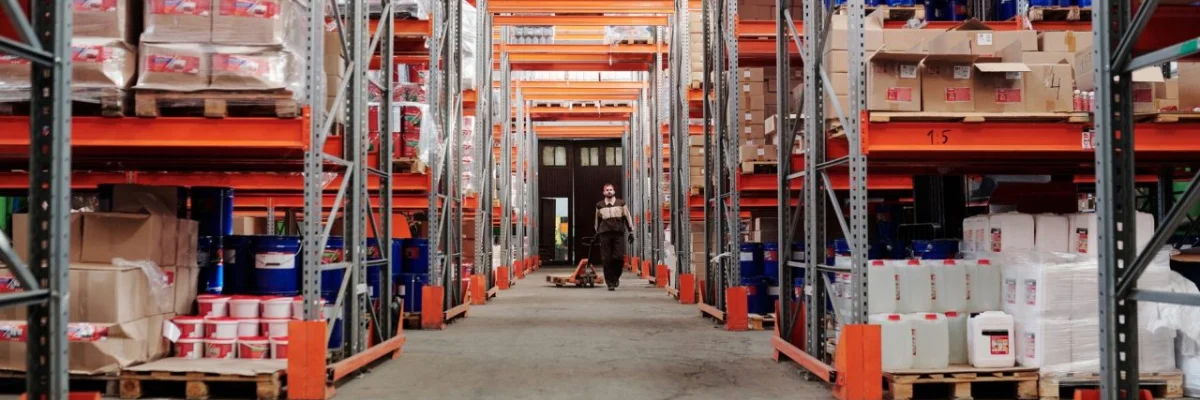
The global logistics landscape is undergoing a massive transformation driven by rapid technological advancement and changing customer expectations. Freight forwarders are currently facing pressure to manage complex supply chains while maintaining high service standards. Achieving operational excellence requires a shift from manual, paper-based processes toward digital integration and real-time visibility. By leveraging modern cloud-based software, forwarders can eliminate bottlenecks, enhance communication across teams, and reduce costly administrative errors. Embracing these digital tools is no longer a luxury but a fundamental requirement for staying competitive in a fast-paced market that demands accuracy and transparency at every single touchpoint.
Streamlining Documentation Workflows

Managing shipment documentation remains a primary pain point for logistics firms that rely on fragmented systems. Centralizing digital documents enables teams to access critical files instantly, ensuring compliance and reducing the risk of human errors during the hectic processing phases.
- Automated Data Entry: Implement software solutions that automatically extract information from commercial invoices and packing lists to populate internal systems, significantly reducing manual typing tasks and associated input errors.
- Centralized Document Repository: Maintain a single source of truth for all shipping documents, ensuring that every stakeholder can access the latest versions without searching through cluttered email chains.
- Integrated Compliance Checks: Use automated validation tools to cross-reference documentation against international customs requirements, preventing costly shipment delays caused by incomplete paperwork or incorrect shipping labels.
- Digital Approval Workflows: Speed up internal sign-off processes by using cloud-based approval chains, which allow managers to review and authorize documentation from any location with internet access.
By transitioning to a unified digital documentation environment, your operations team can drastically reduce the time spent on administrative overhead. This shift allows employees to shift their focus toward high-value tasks such as exception management and client relationship building. As processes become smoother and more predictable, your company can handle higher volumes of freight without needing to increase the headcount or face burnout.
Real-Time Cargo Tracking

Visibility is the backbone of modern freight forwarding, as clients now expect minute-by-minute updates on their cargo locations. Providing proactive status notifications builds trust and distinguishes your service from competitors who still rely on delayed updates and manual inquiries.
- Live GPS Tracking: Integrate telematics data directly into your dashboard to monitor container movements across ocean or land transit points, providing clients with precise and accurate delivery estimates.
- Automated Status Alerts: Trigger real-time notifications to customers via email or mobile applications whenever a significant milestone is reached, such as vessel arrival or customs clearance status changes.
- Exception Management Dashboards: Utilize intelligent systems that flag potential delays before they impact delivery, allowing your team to proactively communicate with clients and offer alternative logistics solutions immediately.
- Predictive Arrival Forecasting: Leverage machine learning models to analyze historical traffic and port congestion data, providing clients with more reliable arrival times rather than generic static schedules.
Enhancing your visibility capabilities turns logistics from a utility into a competitive advantage. When customers have access to transparent tracking data, they feel more confident in your operations, which leads to higher retention rates. Investing in these technical features ensures that your company remains the preferred choice for shippers who demand reliability, accuracy, and clear communication throughout the entire international shipping lifecycle.
Optimizing Carrier Communication
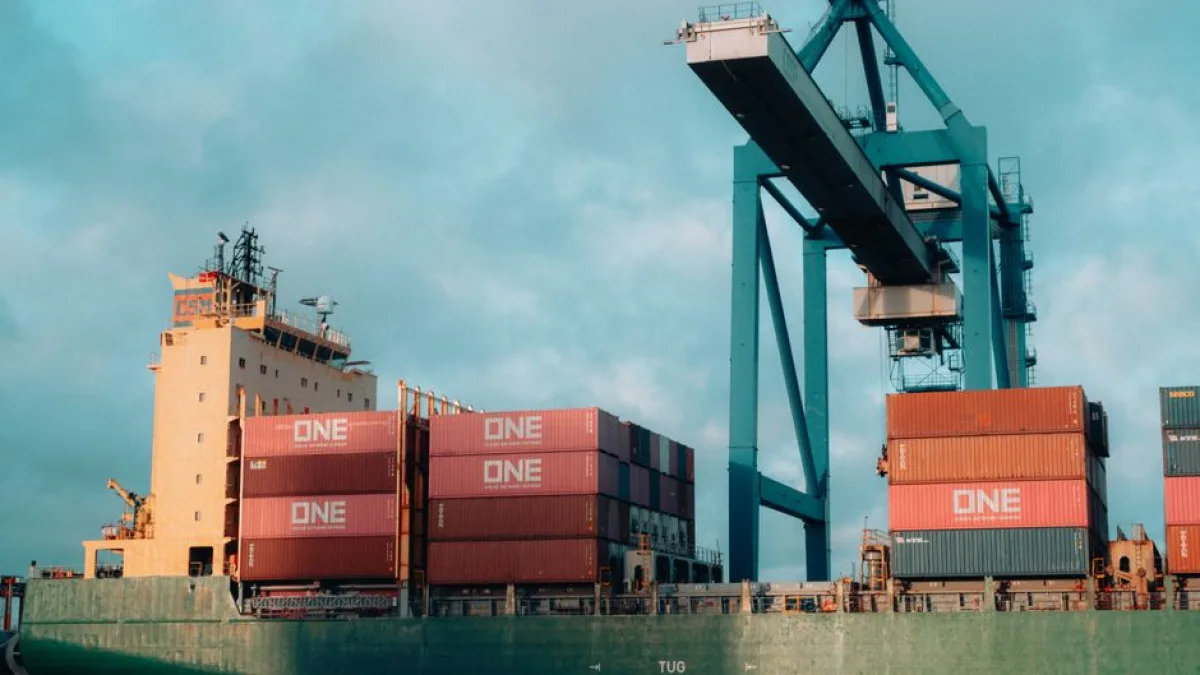
Efficient collaboration with carriers is essential for successful freight operations. Fragmented communication often leads to missed deadlines and poor coordination during transit. Cloud-based platforms facilitate seamless data exchange between forwarders and carriers, ensuring that everyone stays aligned on shipment requirements and scheduling details throughout the journey.
- Automated Booking Requests: Send shipment requirements to carriers directly through integrated API connections, eliminating the need for phone calls or manual emails that often result in missed bookings.
- Standardized Messaging Protocols: Adopt unified communication formats for all carrier interactions to ensure that shipping instructions, safety data, and transit timelines remain consistent across all partner organizations.
- Shared Operational Dashboards: Provide select carriers with limited access to your platform, allowing them to update statuses and upload proof of delivery documents directly into the file.
- Performance Analytics Tracking: Monitor carrier reliability and speed using integrated reporting tools, enabling your team to make data-driven decisions when selecting partners for your specific logistics lanes.
Strong relationships with carriers are built on clear expectations and streamlined workflows. By reducing the noise and confusion often found in manual communication, you create a more professional and reliable partner ecosystem. This structured approach helps prevent miscommunications that lead to disputes or shipment failures. Ultimately, a well-coordinated network of carriers serves as a robust foundation for scaling your global freight forwarding business efficiently.
Leveraging Advanced Data Analytics

Data is the most valuable asset in freight forwarding, yet many companies fail to utilize it effectively. By analyzing shipment patterns, operational costs, and carrier performance, firms can uncover hidden efficiencies that drive profitability. Transforming raw numbers into actionable insights allows leaders to make smarter decisions that positively impact their bottom line and service quality.
- Automated Cost Reporting: Generate real-time reports on shipment profitability, allowing your team to identify lanes or clients that may need pricing adjustments to ensure your margins stay healthy.
- Operational Trend Analysis: Identify seasonal demand shifts or recurring bottlenecks in specific transit corridors, helping your team prepare resources in advance to maintain high service performance levels.
- Key Performance Indicators: Establish clear internal metrics such as documentation turnaround time or average response time to keep your team motivated and aligned with corporate growth targets.
- Predictive Capacity Planning: Analyze historical volume data to forecast future equipment needs, ensuring your operations remain agile regardless of market fluctuations or unexpected changes in shipping demands.
Data-driven decision making is the key to long-term success in the competitive freight industry. By moving away from gut-feeling management and adopting a metrics-based approach, you can identify growth opportunities that others miss. Start analyzing your operational data today to discover the path toward higher efficiency and profitability. Your clients will appreciate the consistency that data-backed precision brings to their supply chains.
Conclusion

Modernizing freight operations requires a commitment to digital transformation and continuous process improvement. By centralizing documentation, improving visibility, and using data to guide your strategy, your freight forwarding business can thrive in an increasingly digital world. Start integrating these advanced tools into your daily workflow to reduce errors and improve client satisfaction today. Your future growth depends on the smart technology choices you make right now.