Optimizing Freight Operations for Modern Forwarding Success
Wednesday, October 7 2026
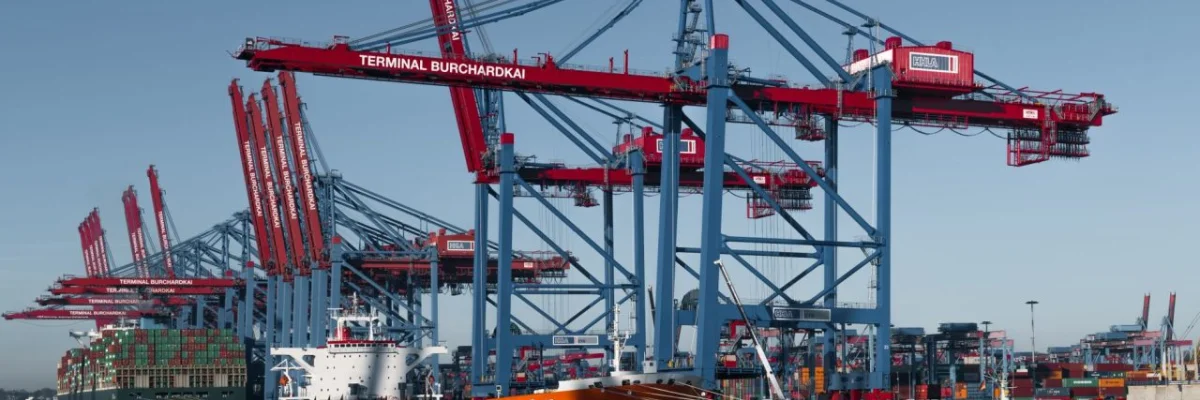
Modern freight forwarding is a high stakes race against time and complex global logistics variables that demand absolute precision. As international trade continues to expand and supply chain volatility remains a constant threat, professionals must look beyond traditional manual processes to maintain a competitive edge. Leveraging cloud based technology is no longer just a luxury but a fundamental necessity for survival in this fast paced industry. By integrating advanced automation into daily workflows, forwarders can reclaim lost time, reduce costly human errors, and significantly improve their operational transparency for both internal teams and their valued global shipping clients.
Digitizing Operational Workflows

The transition toward digital operations requires moving away from outdated spreadsheets and fragmented email chains that hamper productivity. Embracing a unified platform creates a single source of truth for every shipment, allowing teams to access critical documents and status updates in real time without searching through endless folders.
- Automated Data Entry: Implement intelligent software tools that capture shipment details directly from incoming documents to reduce manual typing errors and free up staff for high value strategic tasks.
- Centralized Document Management: Store all bills of lading and customs documents in a cloud repository to ensure that every team member can retrieve essential information instantly when clients call.
- Real Time Visibility: Integrate live tracking features that provide accurate container status updates, allowing your team to proactively communicate any potential delays to the stakeholders before they become critical.
- Task Automation Triggers: Set up automated workflows that notify the correct department whenever a specific shipment milestone is reached, effectively eliminating the need for constant internal status chasing meetings.
Adopting these digital workflows transforms the way your office functions by shifting focus from repetitive administrative tasks to critical decision making. When information flows seamlessly across departments, your team spends less time hunting for files and more time providing excellent service to customers. This efficiency boost is the foundation of a scalable business model that can handle higher volumes without increasing headcount or overhead expenses.
Strengthening Vendor Communication

Effective communication with carriers and local agents serves as the backbone of a successful freight forwarding operation. By utilizing digital collaboration tools, you can ensure that every party involved in the supply chain remains aligned on shipment priorities and potential bottlenecks, leading to much smoother cargo handovers.
- Unified Partner Portals: Provide carriers with a dedicated portal to upload arrival notices and documents, which eliminates the clutter of disorganized email threads and ensures all data is structured.
- Instant Feedback Loops: Enable direct commenting and messaging features within your shipment management software to keep all communication history tied directly to the specific file being processed.
- Consistent Performance Tracking: Use data analytics to monitor carrier performance over time, helping your team make informed decisions about which partners provide the best value and reliability.
- Transparent Status Updates: Share automated milestone alerts with your vendors so they stay updated on scheduling changes without requiring manual phone calls or follow up messages from you.
Stronger communication channels significantly reduce the friction that typically plagues complex global movements. By replacing chaotic inbox management with structured, platform based interactions, your business creates a more professional relationship with global partners. This clarity reduces misunderstandings and prevents costly delays that often arise from communication gaps, ultimately creating a more reliable service experience for your customers while boosting overall operational speed.
Enhancing Compliance and Security

Regulatory compliance remains one of the most stressful aspects of managing international freight movements across diverse borders. Modern freight software helps mitigate these risks by automating compliance checks and ensuring that all mandatory documentation is completed accurately and submitted according to the strict local laws of every involved country.
- Regulatory Compliance Automation: Integrate your software with regional customs databases to ensure that all declarations are filed correctly, preventing expensive fines and shipments being held at borders.
- Secure Data Encryption: Protect sensitive client and shipping information with enterprise grade encryption protocols that safeguard your business against data breaches and unauthorized access to your private records.
- Audit Trail Logging: Maintain a permanent digital record of every change made to a file, which provides essential protection and accountability during internal or external customs audit procedures.
- Standardized Filing Processes: Enforce consistent data entry standards across your team to ensure that every customs declaration meets the specific formatting requirements of international trade regulatory authorities globally.
Building a robust compliance framework is essential for maintaining the longevity of your freight forwarding firm in a strictly regulated environment. By automating the validation of your documentation, you minimize the risk of human oversight that leads to port delays. This systematic approach provides peace of mind, knowing that your operations adhere to legal standards while protecting your reputation with clients and customs authorities.
Scaling Through Cloud Technology

As your forwarding business grows, legacy systems often fail to adapt to increasing shipment volumes and complex logistical demands. Migrating to cloud based infrastructure allows you to scale your operations rapidly, providing the flexibility to add new branches or team members while maintaining a cohesive and consistent workflow across your entire global organization.
- Global Accessibility Anywhere: Allow your staff to manage shipments from any location with an internet connection, facilitating remote work setups and providing support for teams operating across different time zones.
- Seamless System Integration: Connect your freight platform with accounting and ERP software to ensure financial data remains consistent and accurate without requiring manual double entry into different systems.
- Hardware Cost Reduction: Remove the burden of maintaining expensive on premise servers by utilizing cloud hosted solutions that handle all updates and security patches automatically for you.
- Rapid Feature Deployment: Benefit from regular software updates that introduce new industry features, ensuring that your business always uses the most modern tools available in the marketplace.
Scaling your operations effectively requires a technology stack that supports growth rather than hindering it through rigid limitations. Cloud based systems offer the agility needed to respond to market shifts while keeping operational costs manageable and predictable. By investing in scalable infrastructure today, you position your forwarding company to handle the complexities of tomorrow, ensuring a seamless experience for your staff and customers alike.
Conclusion
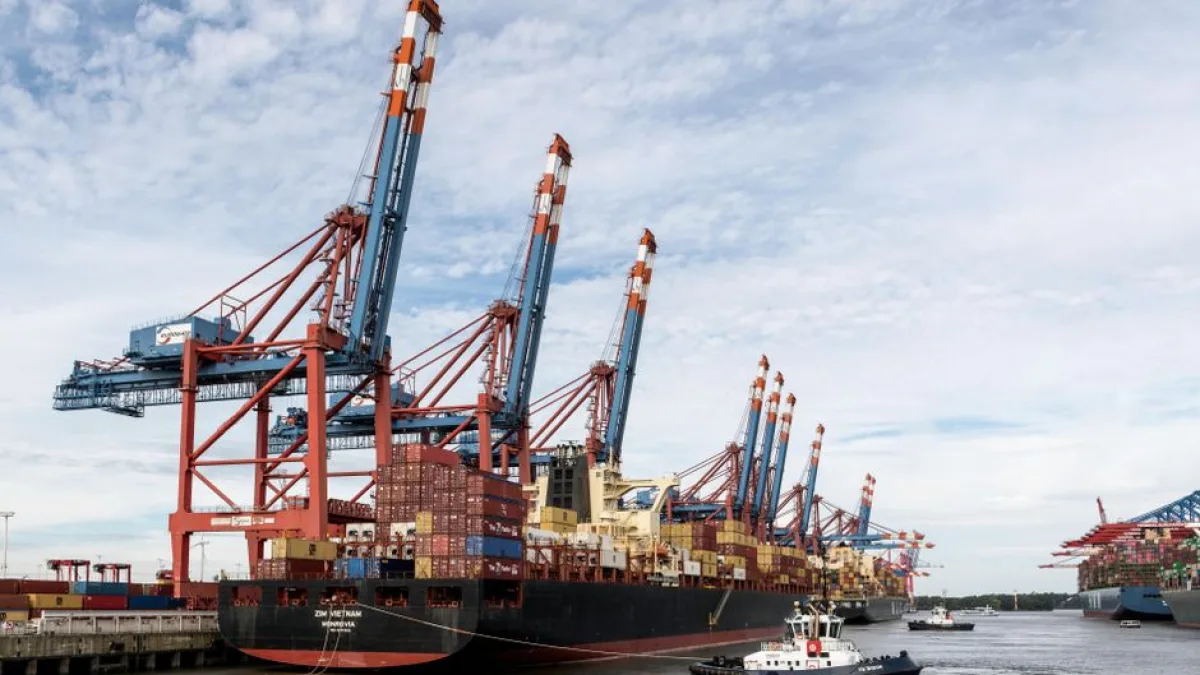
Transforming your freight operations is a continuous journey that requires both the right mindset and the right technology to succeed. By prioritizing digital integration, clear communication, strict compliance, and scalable cloud infrastructure, you position your firm for sustainable growth in a demanding market. Start optimizing your processes today with MakeCargo to experience a more efficient, profitable, and stress free approach to modern global freight forwarding.