Optimizing Freight Operations for Modern Forwarding Success
Friday, October 9 2026
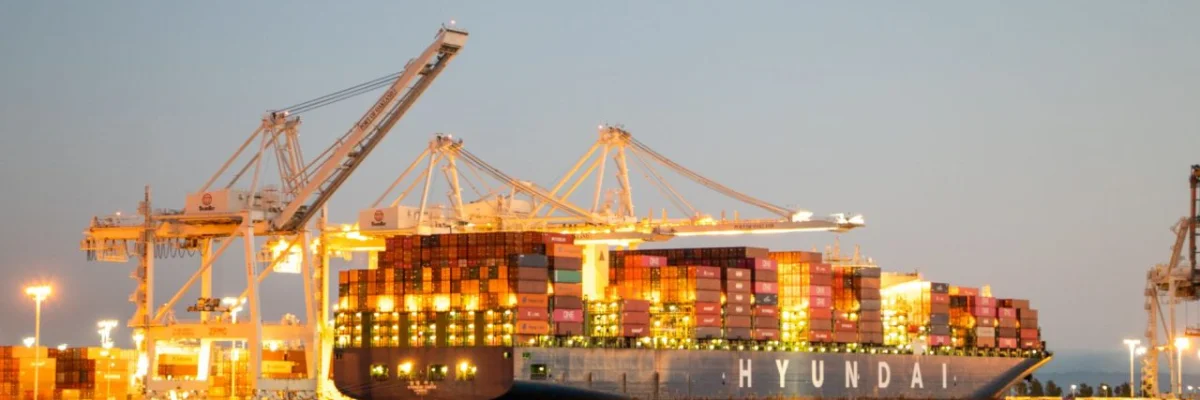
Modern freight forwarding is an increasingly complex landscape defined by shifting global trade regulations and rising customer expectations for total transparency. To remain competitive, forwarders must transition from manual, spreadsheet-based management toward integrated digital ecosystems that prioritize speed and accuracy. By automating repetitive administrative tasks and leveraging real-time data analytics, logistics professionals can significantly reduce errors while enhancing service delivery. This evolution not only streamlines internal workflows but also creates a scalable foundation for growth in a volatile market. Adopting these advanced operational strategies allows your team to focus on high-value client relationships and strategic decision-making rather than data entry.
Digital Document Automation

Effective document management serves as the backbone of every successful shipment, yet manual processing often leads to costly bottlenecks. By digitizing paperwork, teams can eliminate human error and ensure that critical compliance information remains accessible, accurate, and ready for customs clearance processes.
- Optical Character Recognition: Advanced software tools extract data from invoices and packing lists automatically to reduce manual input, minimize typographical errors, and accelerate the processing time for complex international shipping documentation.
- Centralized Cloud Storage: Storing every document in a secure cloud database ensures that your entire global team can access essential shipment records instantly from any location, improving cross-departmental communication.
- Automated Validation Rules: Configure your platform to automatically flag missing fields or invalid entries on airway bills, preventing customs rejections that frequently delay cargo and impact your operational bottom line.
- Version Control Systems: Maintain a strict audit trail of every document change to ensure accountability and provide a clear history of modifications for internal reviews or client-facing transparency reports.
Digital transformation in documentation provides more than just speed, as it reinforces overall compliance and operational integrity. When your data is unified, the risk of miscommunication between warehouses, carriers, and customs officials drops significantly. This approach turns administrative burden into a competitive advantage, allowing your staff to spend time optimizing routes and serving clients instead of constantly chasing paper files across different digital folders.
Real-Time Cargo Visibility
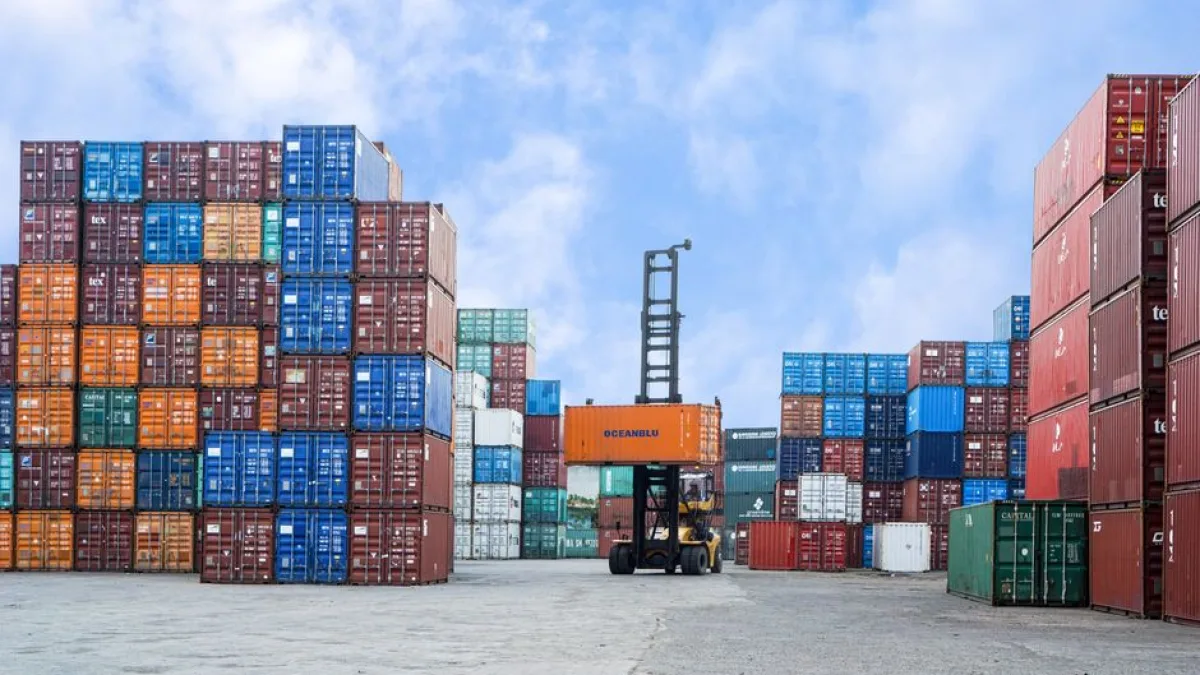
Providing clients with accurate shipment status updates has become a mandatory standard in logistics. Utilizing real-time tracking technology allows forwarders to proactively manage exceptions, alert stakeholders about potential delays, and maintain trust through reliable communication channels that bridge the information gap.
- Live GPS Tracking: Integrate live tracking feeds into your dashboard to visualize cargo movement, enabling your team to provide precise updates to clients regarding current locations and estimated arrival times.
- Automated Milestone Alerts: Configure your software to trigger proactive notifications to customers whenever shipments reach specific milestones, reducing the volume of status inquiries handled by your customer service team.
- Exception Management Tools: Quickly identify disruptions like port congestion or weather delays, allowing your operations staff to implement contingency plans immediately before they impact the final delivery schedule for clients.
- Data-Driven Predictive Analytics: Analyze historical carrier performance data to predict future arrival windows more accurately, helping your business build stronger, more reliable partnerships with preferred transport providers around the world.
The ability to offer granular visibility changes the nature of the forwarder-client relationship from reactive to proactive. When you provide immediate insights, clients feel more secure in your capabilities during disruptive events. This level of transparency not only improves satisfaction scores but also distinguishes your brand from competitors who still rely on fragmented, manual status reporting methods that frustrate global supply chain stakeholders.
Streamlining Customs Compliance

Navigating the intricate maze of international customs regulations is a major challenge for forwarders handling global trade. Proper automation of classification and tariff calculation minimizes the risk of heavy penalties and ensures that your client cargo flows smoothly across borders without unnecessary hold-ups at terminals.
- Automated HS Classification: Use integrated databases to quickly identify the correct Harmonized System codes for commodities, preventing potential fines and speeding up the overall customs entry preparation process for shipments.
- Duty Calculator Integration: Leverage software that automatically calculates duties and taxes based on real-time trade agreements, providing your clients with transparent costs long before the final invoice is issued.
- Direct Port Connectivity: Ensure your freight platform connects directly to government port systems, enabling the instant filing of entries and receipt of status updates for faster customs clearance cycles.
- Regulatory Update Notifications: Stay informed about changing international trade laws through automated system alerts, which help your team adapt quickly to new mandates and avoid sudden disruptions during clearance.
Mastering compliance is essential for avoiding the costly legal delays that threaten profitability in the freight industry. By embedding regulatory tools directly into your operations, you reduce the reliance on external consultants and manual research. This proactive stance ensures that every shipment adheres to local and international standards, protecting your clients while establishing your firm as a reliable partner capable of navigating complex global trade.
Optimizing Carrier Communication
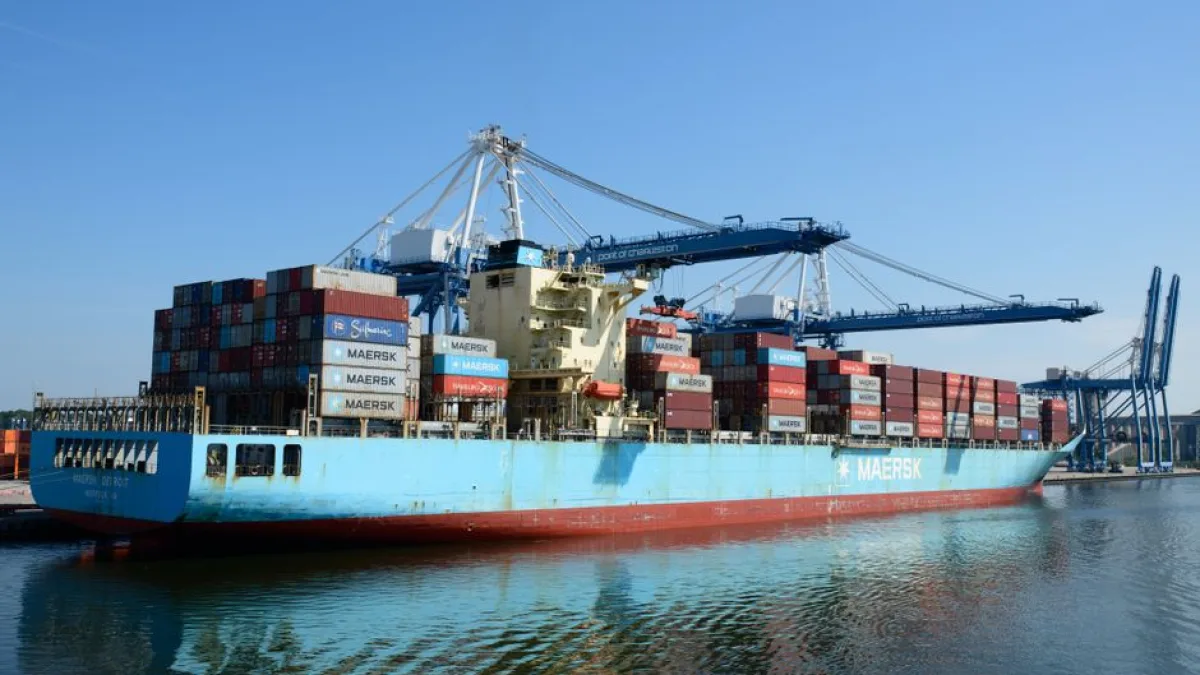
Managing multiple carrier relationships requires efficient communication channels to avoid data silos and confusion. Centralizing all carrier interactions within a single freight management platform ensures that procurement, booking, and rate negotiation processes remain organized and transparent for your entire internal logistics operations team.
- Integrated Carrier Portals: Communicate directly with ocean and air carriers through unified interface tools, which consolidate booking requests and responses into one place to avoid messy email chains and lost updates.
- Automated Rate Comparisons: Compare multiple carrier quotes side by side based on cost and transit time, enabling your team to select the most efficient options for your specific client requirements.
- Digital Booking Management: Submit bookings directly through software to minimize manual interaction with carrier websites, saving your staff significant time and reducing the risk of booking data entry errors.
- Performance Reporting Dashboards: Generate reports that analyze carrier reliability and cost effectiveness, giving you the necessary insights to negotiate better service agreements during your upcoming annual contract renewal cycles.
Efficient carrier management directly influences your ability to scale operations effectively. When your team spends less time manually coordinating with carriers, they have more capacity to manage complex exceptions and high-value logistics projects. Strengthening these relationships through data-driven performance reviews and streamlined digital workflows ultimately leads to better service levels and reduced operational costs for your firm in the long run.
Conclusion

Transitioning your freight operations to a cloud-based digital infrastructure is no longer an optional upgrade but a necessity for sustainable growth. By automating documentation, enhancing cargo visibility, mastering compliance, and optimizing carrier relationships, you build a resilient business model ready for global challenges. Start auditing your current manual processes today to identify which areas can benefit most from technology integration and improved operational workflows.