Optimizing Freight Operations for Modern Forwarding Success
Friday, October 9 2026

The global logistics landscape is undergoing a massive transformation driven by rapid digitization and changing customer expectations. For freight forwarders, the ability to manage complex supply chains with precision is no longer optional but a baseline requirement for survival. As data flows become as critical as the physical movement of cargo, professionals must adopt integrated technologies to eliminate manual errors and boost operational transparency. By focusing on workflow automation and real time communication, firms can navigate volatility with confidence. This transition not only enhances bottom line performance but also positions forwarders to provide the seamless experience that today's shippers demand.
Automating Documentation Processes

Manual document handling remains a significant bottleneck that drains resources and slows down shipment clearance cycles. Automating these repetitive tasks allows your team to focus on high value activities like problem solving and strategic planning while ensuring absolute accuracy across every filing.
- Data Capture Efficiency: Intelligent character recognition tools scan your paperwork instantly to populate system fields, which drastically reduces the need for manual data entry and minimizes expensive human typing errors.
- Automated Filing Systems: Centralized digital repositories ensure that all shipping documents are stored securely and retrieved in seconds, helping your team maintain compliance and audit readiness at all times.
- Streamlined Approval Workflows: Digital routing platforms automatically notify the correct stakeholder when a document requires signature, ensuring that bottlenecks are identified early and project timelines stay on track consistently.
- Error Detection Algorithms: Advanced software validation checks your input data against customs requirements in real time, preventing rejected filings and costly port delays that impact your overall service delivery.
Adopting digital document management is a strategic move that fundamentally changes how your firm handles administrative tasks. By removing the reliance on physical files and manual verification, you gain a massive speed advantage. Your team will spend less time chasing paperwork and more time managing client relationships, ultimately driving the operational excellence that modern shippers seek from their logistics partners today.
Enhancing Shipment Visibility
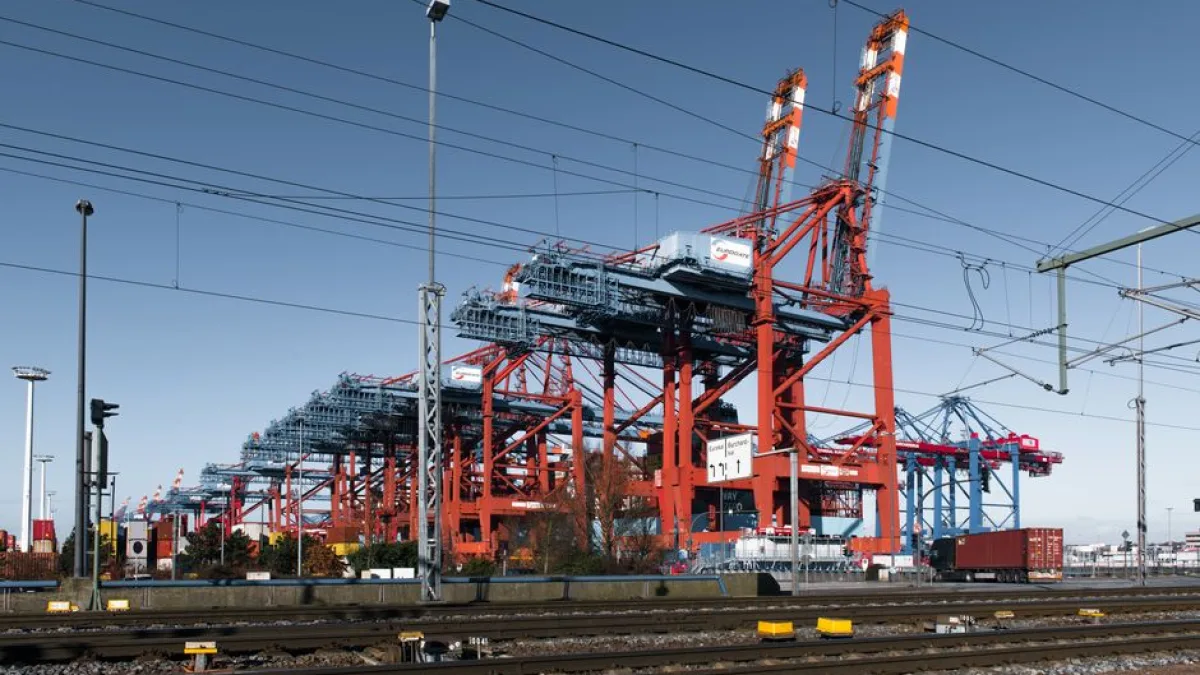
Shippers expect instant access to the status of their cargo regardless of their location in the global supply chain. Providing this level of granular visibility builds trust and empowers clients to make informed decisions based on accurate, real time status updates.
- Real Time Tracking: Integrate live GPS and satellite feeds into your operational dashboard to provide clients with precise location data, which improves transparency and strengthens long term partner relationships.
- Automated Status Alerts: Proactive notification triggers inform clients automatically when milestones are reached, reducing the burden on your customer service team to answer routine status inquiries throughout the day.
- Dynamic Route Optimization: Advanced analytics software suggests the fastest routes based on live traffic and weather conditions, allowing your operations staff to bypass potential disruptions before they impact schedules.
- Integrated Carrier Portals: Direct system connectivity with major carriers eliminates the need for manual status checks, ensuring that your dashboard displays the most current information for every single shipment.
Visibility is the core product of a successful modern freight forwarder in today's competitive environment. By leveraging cloud based platforms, you transform static updates into dynamic intelligence that adds genuine value for your shippers. Clients who can track their freight without constant emails or phone calls are significantly more likely to remain loyal to your brand for future logistical requirements.
Managing Carrier Relationships

Maintaining strong, collaborative relationships with ocean and air carriers is vital for securing space and favorable rates during peak seasons. Effective communication and performance monitoring help you build a reliable network of providers that support your business objectives reliably.
- Performance Scorecard Analytics: Track carrier punctuality and service quality using automated metrics, which provides the evidence you need to negotiate better terms or hold providers accountable for performance standards.
- Digital Capacity Booking: Secure space directly through your software platform to avoid the delays associated with manual email requests, ensuring you hit your vessel cut off times every time.
- Financial Settlement Speed: Automating invoice reconciliation processes ensures that carriers receive payment promptly, which creates goodwill and secures your priority status for cargo bookings in volatile markets.
- Communication Centralization: Use a unified messaging platform to keep all carrier discussions in one place, preventing lost emails and ensuring that your entire team stays informed on developments.
Strong carrier partnerships are built on transparency and efficiency in every transaction you conduct. When you simplify the way carriers interact with your firm, you become their preferred partner for high value shipments. Consistent management of these relationships ensures that you have the capacity needed to grow your business, even when global logistics networks are under extreme pressure from capacity constraints.
Leveraging Advanced Data Analytics

Data is the most valuable asset in your logistics arsenal if you have the tools to interpret it correctly. Moving from reactive reporting to predictive analytics allows you to anticipate market changes and adjust your operational strategies well in advance.
- Predictive Cost Modeling: Analyze historical pricing trends to forecast future freight costs, which helps your sales team provide accurate quotes and maintain healthy profit margins on complex international moves.
- Operational Bottleneck Identification: Identify recurring delays by reviewing automated logs, allowing you to refine your processes and remove obstacles that impede the efficient movement of your client cargo globally.
- Resource Allocation Planning: Use data driven insights to distribute staff workload effectively during high volume periods, ensuring that your team remains productive without experiencing burnout during intense shipping seasons.
- Customer Trend Analysis: Segment your client data to understand which trade lanes or service types drive the most growth, helping you focus your marketing efforts on your most profitable areas.
Strategic use of data analytics moves your freight forwarding operations from a utility provider to a high level supply chain consultant. When you present your clients with actionable insights based on their own shipping history, you become an indispensable partner in their success. Embracing this data centric mindset is the final step in maturing your business into a future proof market leader.
Conclusion

The path to high performing freight operations lies in the intentional adoption of integrated cloud technology. By automating documentation, enhancing visibility, managing partnerships, and utilizing analytics, you set your firm apart in a crowded marketplace. Start small by digitizing one core process and scale your efforts as your team builds confidence. Success awaits forwarders who prioritize digital transformation as their primary operational strategy.