Optimizing Freight Operations for Modern Forwarding Success
Monday, October 19 2026

The global logistics landscape is undergoing a massive transformation driven by rapid digitization and shifting consumer demands. Freight forwarders today face the immense pressure of managing complex supply chains while maintaining profitability in a highly competitive market. Moving away from manual processes is no longer just an advantage but a fundamental necessity for survival. By integrating cloud-based technologies and advanced automation, professionals can regain control over their operations and provide superior service levels. This article explores how strategic improvements in visibility, documentation, communication, and analytics can elevate your business performance and prepare your firm for the future challenges of global trade.
Mastering Real Time Visibility
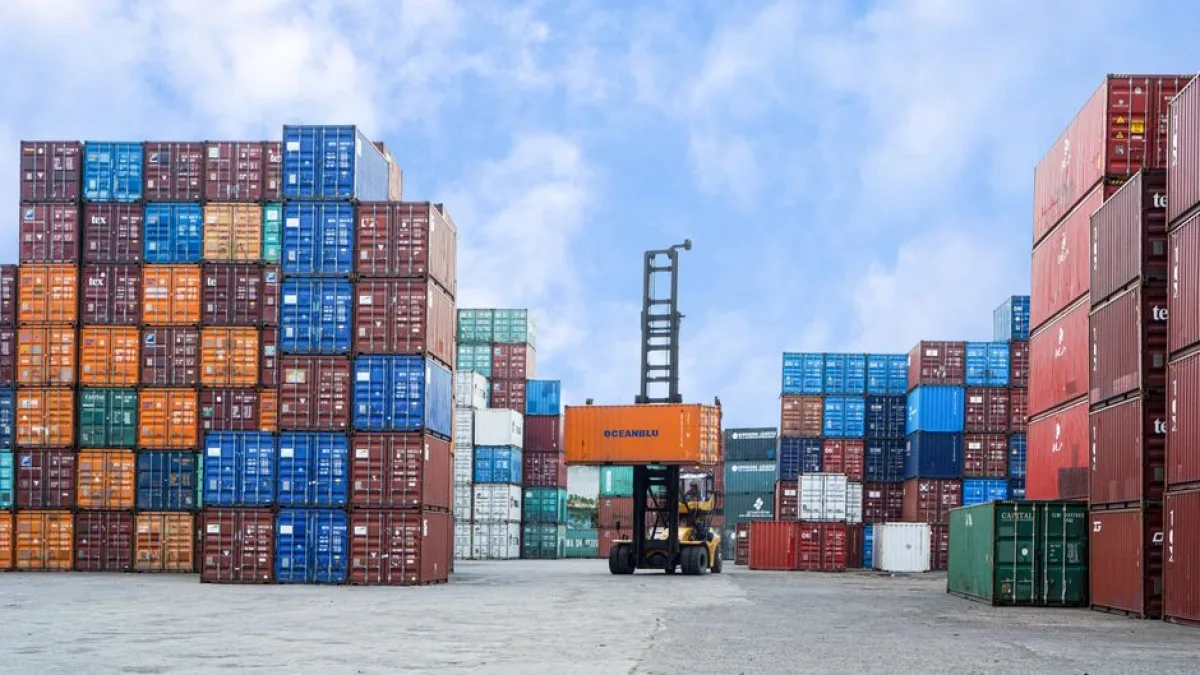
Achieving granular visibility across the entire supply chain remains a primary objective for forwarders aiming to exceed client expectations. Modern tracking tools allow teams to identify bottlenecks instantly and provide proactive updates before issues escalate into costly shipping delays.
- Automated Tracking Updates: Integration with carrier APIs ensures that status changes reach stakeholders instantly, reducing manual data entry work for your staff and improving overall client transparency throughout transit.
- Predictive Delay Alerts: Advanced analytics detect potential disruptions such as weather patterns or port congestion, allowing teams to reroute shipments and avoid major setbacks for their global partners.
- Client Portal Integration: Providing customers with secure digital access to their shipment data builds significant trust and reduces the volume of repetitive status inquiry emails hitting your inbox.
- Unified Dashboard Views: Centralized platforms consolidate information from multiple carriers into one readable screen, helping operators manage high volumes of freight without losing sight of critical cargo details.
Consolidated data streams serve as the backbone of efficient freight management systems. When operators can view every active movement from a single interface, they respond to challenges with speed and confidence. This shift from reactive firefighting to proactive management creates a distinct competitive edge. Modern software solutions empower your team to focus on high-value tasks while technology handles the routine monitoring of containers across the world.
Streamlining Documentation Workflows

Paperwork remains the most significant hurdle in the freight industry, often causing unnecessary delays at customs and border crossings. Embracing digital document management simplifies the filing process and ensures that all compliance requirements are met without the typical human error.
- Cloud Based Storage: Securely hosting all bills of lading and commercial invoices in the cloud allows for instant retrieval from any location, eliminating the frustration of searching through physical folders.
- Standardized Template Creation: Pre-built templates for common shipping documents ensure consistency across your documentation department, which reduces time spent on repetitive tasks and minimizes potential errors during critical filing.
- Automated Data Extraction: Optical character recognition technology converts scanned physical documents into editable digital files automatically, saving your staff hours of manual typing and verification work each week.
- Secure Sharing Portals: Sharing sensitive customs documents with external partners through encrypted portals ensures data privacy while keeping the entire logistics chain moving without any unnecessary physical paper transfers.
Efficient documentation is the heartbeat of a compliant forwarding business. By removing the reliance on physical paper, firms drastically reduce the time spent handling compliance hurdles and administrative tasks. This digital transition ensures that every stakeholder has access to the correct information at the exact moment it is needed. Automation effectively bridges the gap between different global regulatory environments and your internal office operations.
Enhancing Communication Channels

Communication breakdowns often serve as the root cause of shipment errors and customer dissatisfaction. Establishing a robust digital framework for internal and external messaging ensures that everyone remains aligned throughout the lifecycle of a complex global freight delivery process.
- Centralized Chat Modules: Integrated messaging tools keep project discussions attached to specific shipment files, preventing critical information from being lost in crowded and chaotic personal email inboxes.
- Automated Status Notifications: Triggered email or SMS alerts notify customers and carriers about milestones, ensuring that every party involved is kept informed without requiring constant manual manual outreach.
- Stakeholder Task Management: Assigning internal tasks directly within the freight platform ensures that team members know their specific responsibilities, which improves accountability and speeds up the entire booking lifecycle.
- Mobile Accessibility Options: Allowing your operations team to manage communication via mobile devices ensures that urgent updates are handled outside of standard office hours for total global reach.
Effective collaboration is essential for solving the unpredictable problems that arise in global logistics. By keeping your communications structured and tied to specific shipment records, you eliminate confusion and reduce the time spent clarifying details with your overseas partners. Investing in tools that foster teamwork and accountability will result in faster responses, happier clients, and a more cohesive internal work environment for your staff.
Leveraging Advanced Data Analytics

Data is the most valuable asset for any modern freight forwarder seeking to improve their bottom line. Turning raw logistics data into actionable business intelligence allows leaders to make informed decisions that drive growth and increase long term operational efficiency.
- Profitability Analysis Tools: Deep dives into lane performance data highlight which shipping routes generate the highest margins, helping you focus your sales efforts on the most lucrative market segments.
- Carrier Performance Reviews: Tracking historical data for every carrier allows you to objectively evaluate service quality, enabling better negotiations and more strategic partnerships for future high volume freight.
- Volume Forecasting Models: Using historical trends to predict upcoming peak season demand ensures that your company is adequately prepared for capacity spikes and potential resource shortages during busy times.
- Custom Report Generation: Building bespoke reports for your management team provides clear evidence of operational success, supporting data driven decisions that align with your firm unique business goals.
Insightful analysis separates high performing forwarders from the average players in the logistics market. When you understand the nuances of your own operational data, you can optimize processes to save time and reduce overhead expenses. The ability to forecast trends and analyze performance metrics is a superpower in a volatile industry. Use these tools to build a smarter, more resilient organization starting today.
Conclusion

Transforming your freight operations requires a commitment to digital tools that favor efficiency and data integrity. By mastering visibility, documentation, communication, and analytics, you position your forwarding business for long term growth. The future belongs to those who embrace cloud technology and automate the routine tasks of global trade. Start your digital optimization journey with MakeCargo today to see how modern software drives real results.