Optimizing Freight Operations for Modern Forwarding Success
Tuesday, October 20 2026
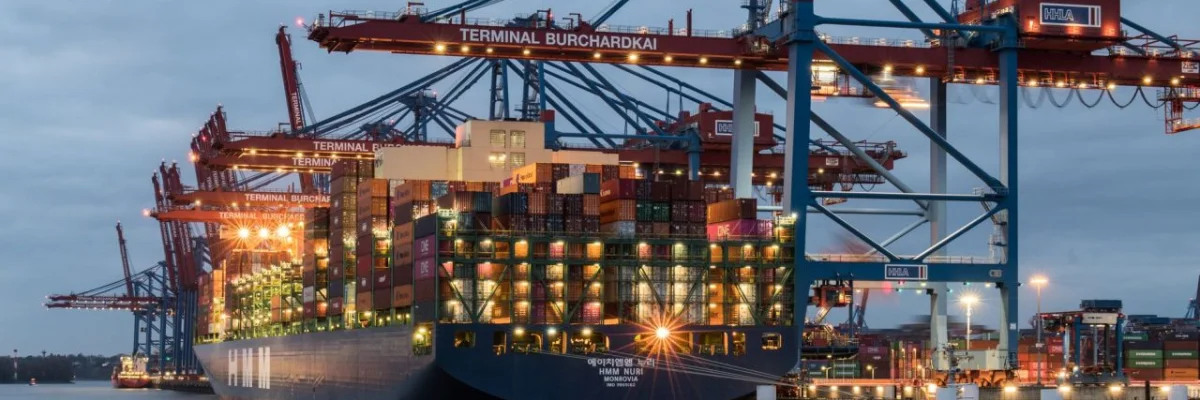
The global logistics landscape is undergoing a massive transformation driven by the need for speed, transparency, and operational efficiency. Freight forwarders are currently facing intense pressure to handle increasing cargo volumes while navigating complex supply chain bottlenecks. Adapting to these challenges requires a shift from manual, paper-heavy workflows to digital-first strategies that leverage cloud-based platforms. By centralizing operations and embracing automation, companies can significantly reduce human error and gain real-time visibility into every shipment. This article explores essential strategies that forwarders can implement today to stay competitive and provide superior service levels for their international clients.
Digitizing Documentation Management

Transitioning away from physical paperwork is the first step toward achieving a truly scalable freight operation. By utilizing digital document management, firms can ensure that every bill of lading and commercial invoice remains accessible, secure, and searchable across the entire organization.
- Unified Data Storage: Consolidate all shipment documents in a single cloud repository to eliminate the risks associated with scattered emails or physical files that are prone to being lost.
- Automated Data Entry: Implement intelligent character recognition software to extract key information from shipping documents, which reduces manual typing errors and speeds up the overall processing time.
- Enhanced Regulatory Compliance: Maintain a clear audit trail for all international shipments by keeping permanent digital records that are easily accessible during customs inspections or internal company audits.
- Secure Cloud Access: Provide authorized team members with instant access to critical shipping paperwork from anywhere in the world, which fosters better internal communication and faster decision making.
Adopting a digital-first documentation approach drastically reduces the administrative burden on your logistics staff. When your team spends less time searching for misplaced files and more time managing high-value client relationships, your operational output improves. Investing in a robust cloud platform ensures that your firm remains agile enough to handle sudden changes in global shipping requirements without compromising on accuracy or delivery speeds.
Real-Time Shipment Visibility

Modern clients demand absolute transparency regarding their cargo location and status throughout the transport process. Providing live tracking updates is no longer just a premium service but a fundamental expectation that builds long-term trust with every international shipping partner.
- Live Cargo Tracking: Integrate live data feeds from ocean and air carriers to provide your customers with precise, real-time updates regarding the exact location of their valuable freight.
- Proactive Exception Alerts: Configure automated notifications that warn your operations team immediately if a shipment faces unexpected delays, allowing you to inform the client before they complain.
- Custom Dashboard Views: Offer your clients a dedicated portal where they can view the live status of their active shipments, which minimizes incoming phone calls and manual status requests.
- Visual Supply Chains: Use interactive maps to display the complete journey of cargo, helping clients understand the transit path and anticipate arrival times with much higher degrees accuracy.
Visibility serves as the bedrock of exceptional customer service in the freight forwarding industry. When forwarders proactively share tracking data, it minimizes uncertainty and fosters a sense of reliability that sets the company apart from competitors. By leveraging technology to offer transparency, you convert routine shipment updates into a valuable service asset that increases client retention and drives growth for your logistics business.
Streamlining Carrier Communications

Maintaining constant communication with various ocean, air, and road carriers is often the most time-consuming task for forwarders. Consolidating these interactions into a single platform streamlines your workflows, reduces inbox clutter, and prevents important information from slipping through the cracks.
- Centralized Messaging Tools: Replace fragmented email chains with a centralized communication hub where all correspondence related to a specific shipment is stored in one easy to view location.
- Automated Status Updates: Set up automated workflows that trigger messages to carriers, ensuring that you receive responses in a timely manner without constant manual follow up and reminders.
- Carrier Performance Tracking: Monitor response times and service quality from your partners to identify high-performing vendors and replace those who frequently fail to meet your operational standards.
- Standardized Request Templates: Create professional message templates for common inquiries to ensure that your team communicates consistently and effectively with all service providers across the entire supply network.
Effective carrier management is essential for keeping your operational costs low and service quality high. When you simplify communication, you minimize misunderstandings and ensure that every party in the supply chain understands their specific responsibilities. This streamlined approach allows your logistics team to handle a larger number of shipments with the same amount of resources, ultimately driving higher profit margins for your company.
Automating Billing and Invoicing

Accurate billing is crucial for financial stability in logistics, yet many firms rely on slow, manual invoicing processes. Automating the billing cycle ensures that invoices are generated instantly upon shipment completion, leading to improved cash flow and fewer disputes with your shipping clients.
- Automated Invoice Creation: Generate accurate freight invoices automatically based on shipment data captured during the booking phase, which saves time and eliminates common manual billing errors for staff.
- Instant Payment Processing: Integrate digital payment gateways to enable clients to pay their shipping invoices online, which speeds up your cash collection process and improves overall financial management.
- Dynamic Currency Conversion: Handle multi-currency billing with ease by using automated conversion tools that ensure your invoices reflect the most current exchange rates for global shipping and handling.
- Clear Financial Reporting: Access real-time insights into your revenue and operational costs through detailed financial dashboards that help you make informed decisions about your company's growth strategy.
Optimizing your billing procedures is one of the most effective ways to stabilize your logistics business. Automation eliminates the risk of human calculation errors while significantly reducing the time between shipment delivery and final payment. By professionalizing your financial operations, you project an image of competence and reliability, which strengthens your relationships with clients and creates a predictable revenue stream for future expansions.
Conclusion
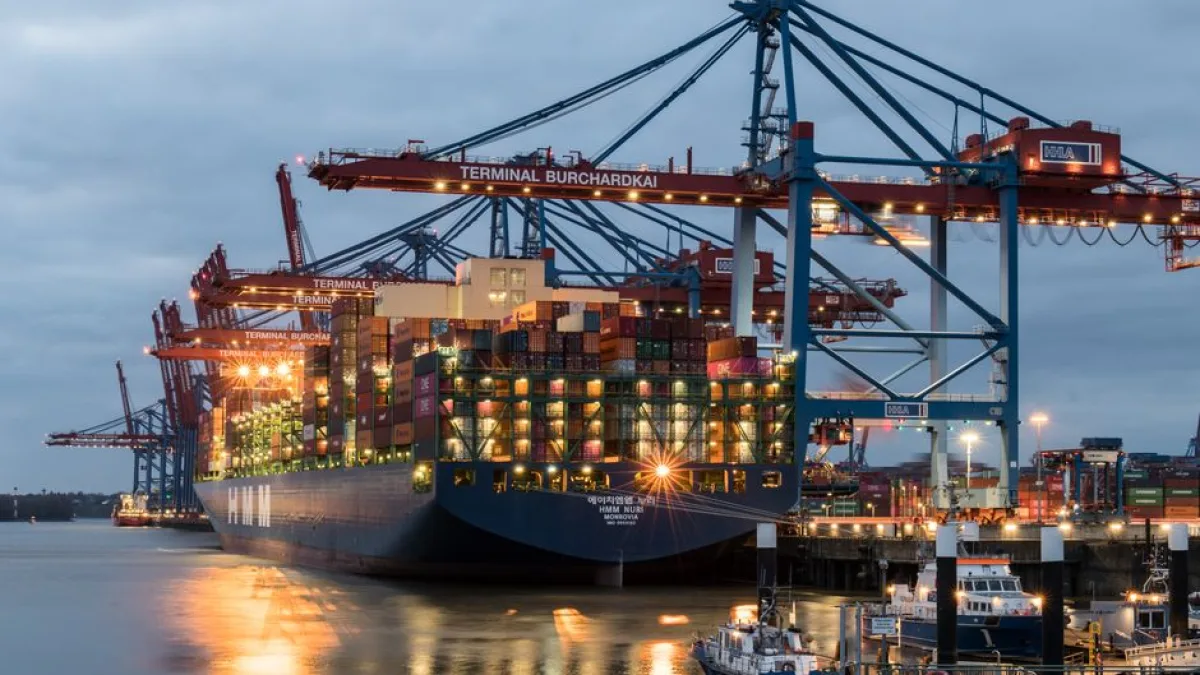
Mastering modern freight operations requires a commitment to digital transformation and consistent process optimization. By focusing on documentation, visibility, communication, and billing, your logistics firm can overcome common industry challenges and achieve lasting success. Start evaluating your current workflows today to identify where technology can drive greater efficiency. Embrace these digital tools now to ensure your company remains a leader in the global shipping market.