Optimizing Freight Operations for Modern Forwarding Success
Tuesday, October 27 2026
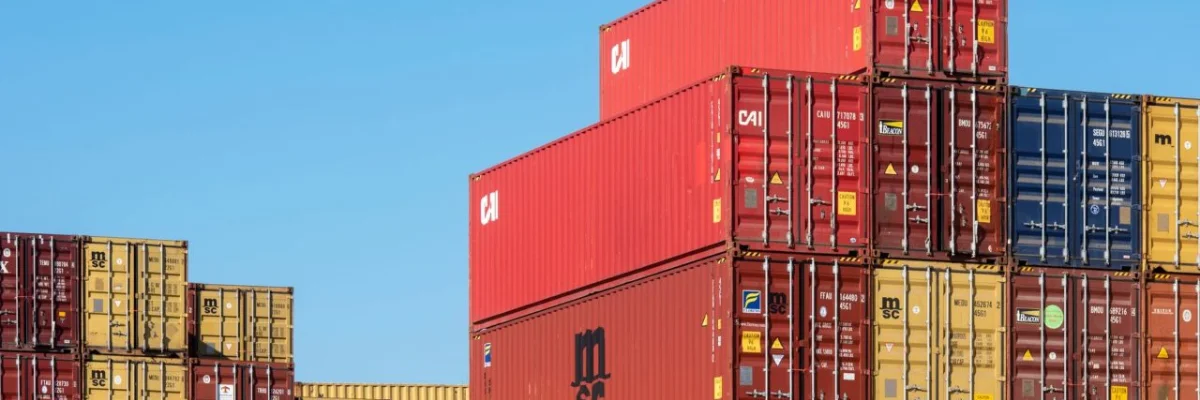
The global logistics landscape is undergoing a profound transformation driven by rapid technological advancements and fluctuating market demands. Freight forwarders today face the persistent challenge of balancing operational efficiency with the need for transparent client communication. Relying on outdated manual processes often results in costly bottlenecks and diminished visibility across the supply chain. By adopting digital solutions, businesses can automate routine tasks, minimize human error, and gain critical insights that drive better decision making. Modernizing your workflow is no longer a luxury but a fundamental requirement for those aiming to remain competitive in a fast-paced international trade environment.
Digital Workflow Automation

Automating your daily tasks transforms how your team manages complex shipments from start to finish. By integrating smart software, you remove the burden of manual data entry while ensuring that information flows seamlessly across all internal departments without unnecessary delays.
- Reduce manual errors: Automating documentation prevents common typos and formatting mistakes that frequently lead to expensive customs delays or administrative bottlenecks during the complex international shipping and clearance procedures.
- Boost team productivity: Shifting focus toward high-value problem solving allows your staff to manage more shipments effectively while spending significantly less time on repetitive and mundane administrative data tasks.
- Speed up processing: Faster document generation and digital sharing capabilities ensure your clients receive essential information in real time which improves overall satisfaction and builds stronger professional business relationships.
- Centralized data management: Keeping every shipment detail in a unified digital dashboard prevents information silos and makes retrieving vital history or tracking updates immediate for your entire operational workforce.
Implementing these automated tools creates a scalable foundation for your freight forwarding business. When your team spends less time hunting for documents, they can focus on securing new contracts and managing complex logistics requirements. This transition toward a digital first strategy directly contributes to higher profitability and operational resilience in volatile markets, ensuring that you stay ahead of competitors who rely on fragmented manual systems.
Enhanced Client Visibility

Giving your customers a real time view of their cargo creates trust and reduces the volume of repetitive status update requests. Transparency is the cornerstone of modern logistics, and providing self-service access to shipment data empowers your clients to act.
- Live shipment tracking: Providing customers with instant access to their container status updates reduces the need for constant phone calls and emails to your busy operations support team.
- Transparent communication channels: Maintaining an open line of digital updates ensures that all stakeholders remain informed regarding unexpected delays or schedule changes throughout the entire international transit process cycle.
- Customized client reports: Generating automated performance reports allows your high volume customers to analyze their shipping history and logistics expenses without needing to request manual data extractions from you.
- Improved brand trust: Professional digital interfaces demonstrate a high level of technical competency and reliability which strengthens your reputation as a forward thinking partner in the global market.
When clients have immediate access to accurate shipment milestones, their confidence in your services grows exponentially. This reduction in administrative overhead allows your support staff to address unique client needs rather than providing routine status updates. By leveraging visibility tools, you transform the customer experience into a significant competitive advantage that fosters long-term loyalty and encourages repeat business from your primary cargo shippers.
Streamlined Documentation Management

Managing stacks of physical paperwork is a significant drain on resources and increases the risk of loss or damage. Transitioning to a secure cloud platform keeps your vital shipping documents organized, accessible, and compliant with current international trade regulations.
- Secure cloud storage: Keeping all critical paperwork like bills of lading and commercial invoices in a secure cloud ensures that your team can access them from anywhere.
- Fast document retrieval: Indexing your files correctly allows you to find specific shipment records in seconds rather than spending hours searching through physical filing cabinets or emails.
- Seamless document sharing: Instant digital collaboration with partners and customs authorities accelerates the clearance process and ensures that all parties have the most recent versions of files.
- Compliance and security: Utilizing encrypted digital vaults provides a superior level of data protection compared to traditional paper storage which is vulnerable to theft or environmental damage.
Adopting a paperless approach for documentation is essential for modern freight forwarders who value efficiency. By moving files into a secure digital environment, you eliminate the risks associated with manual filing and physical degradation. This shift not only supports sustainability goals but also significantly boosts your team productivity, allowing for faster response times during the critical document processing phase of international freight.
Data Driven Strategic Planning

Utilizing powerful analytics tools allows you to turn raw logistics data into actionable insights for future growth. By analyzing past performance trends, you can make informed decisions that optimize your routes and improve your overall profitability throughout the entire fiscal year.
- Performance trend analysis: Identifying patterns in shipping lanes helps you negotiate better carrier rates and optimize your logistics network to save money on recurring transport cost overheads.
- Resource allocation insight: Understanding which departments or routes are the most profitable allows you to distribute your team effort where it produces the highest return on investment.
- Proactive issue resolution: Recognizing recurring delays in specific transit nodes enables you to take preventative measures before these problems impact your customers or your overall service quality.
- Informed business decisions: Relying on precise metrics rather than intuition ensures that your long term planning is grounded in reality and oriented toward achieving your growth targets.
Data analysis is no longer optional for firms that aim to thrive in the modern logistics sector. By transforming your operational data into a clear strategic roadmap, you gain the clarity needed to navigate market fluctuations with confidence. Continuous improvement driven by accurate metrics helps you refine your processes, enhance your service offerings, and maintain a sustainable competitive edge against other logistics industry participants.
Conclusion
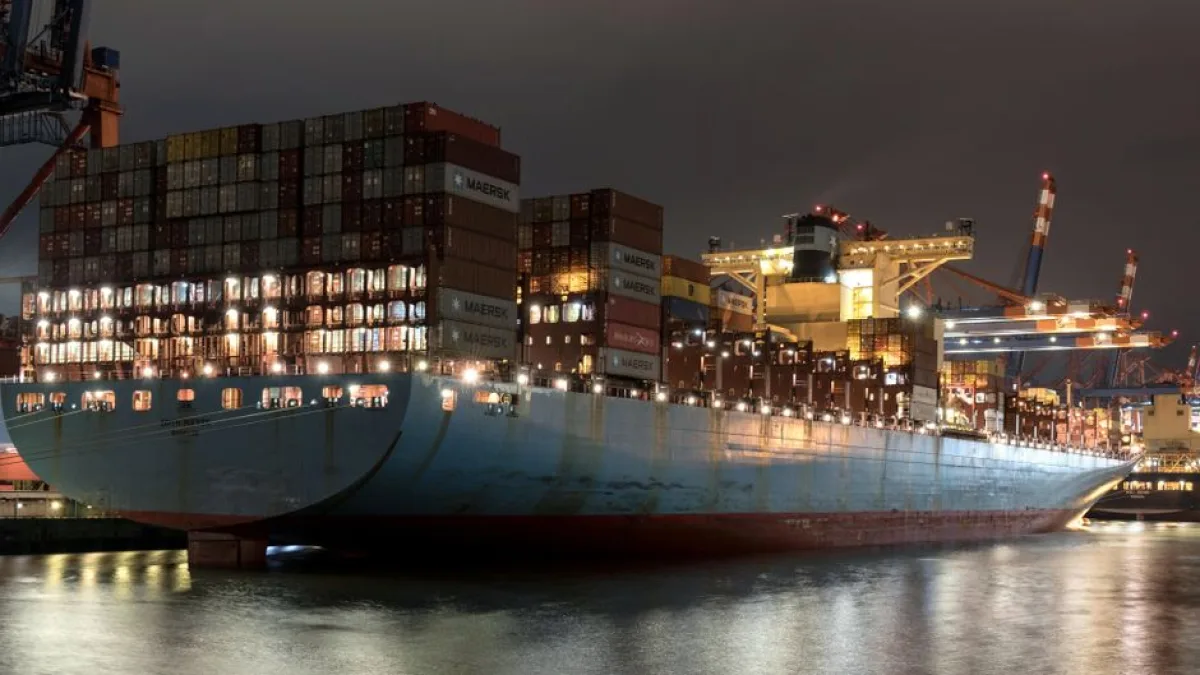
Embracing digital transformation is essential for freight forwarders looking to improve efficiency and customer satisfaction. By automating workflows, enhancing visibility, managing documents digitally, and utilizing data, you can build a more resilient business. Start by assessing your current bottlenecks today and implementing software solutions that align with your growth goals. Take the lead in your industry by choosing the right tools for success.