Optimizing Freight Operations for Modern Forwarding Success
Tuesday, October 27 2026
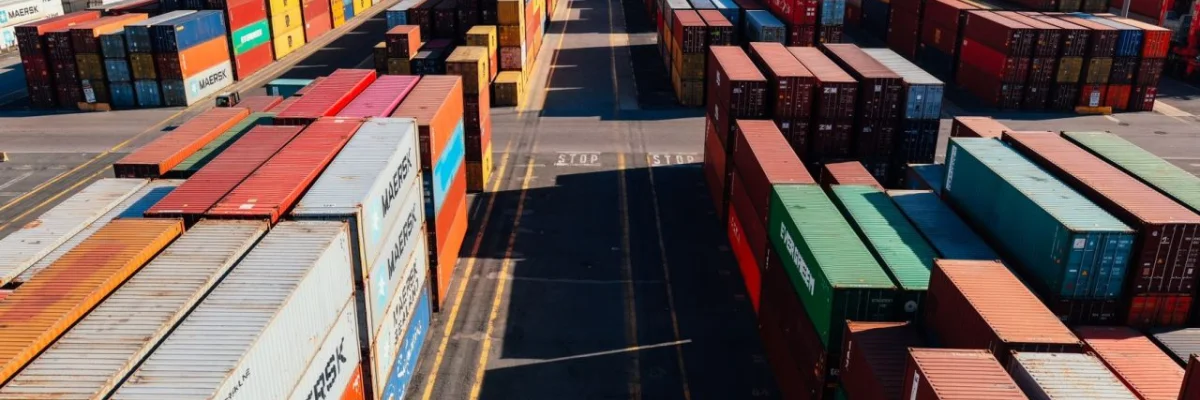
Modern freight forwarding is an intricate dance of logistics, coordination, and rapid communication that demands precision at every stage. As global supply chains face increasing volatility, forwarders must move beyond outdated manual workflows to maintain a competitive edge. Relying on spreadsheets and disconnected email threads often leads to costly errors and missed delivery windows. By embracing digital transformation and integrating centralized management systems, logistics professionals can enhance visibility and reduce operational friction. This article explores essential strategies to refine your day to day operations, ensuring your team remains agile and efficient in a demanding marketplace that rewards proactive problem solving and technological sophistication.
Digital Documentation Management

The transition toward paperless logistics environments is no longer an optional upgrade but a fundamental requirement for operational speed. Moving your documentation into a secure cloud environment eliminates physical clutter and ensures that vital records are accessible to your team immediately.
- Automated Data Entry: Implement smart scanning tools to extract information from bills of lading or invoices, significantly reducing manual typing errors while accelerating the processing time for critical shipping documents.
- Centralized Storage Hubs: Consolidate all shipment files within a unified cloud platform so that every team member can access the latest versions without searching through cluttered email inboxes or archives.
- Version Control Systems: Utilize software that maintains comprehensive audit trails of every document edit, ensuring that your team always relies on the most accurate and current logistical information available today.
- Instant Sharing Capabilities: Enable secure portals for partners and customers to download necessary documents instantly, which improves transparency and drastically shortens the communication loop during complex international shipment handoffs.
Adopting these digital practices allows your staff to focus on strategic decision making rather than repetitive administrative tasks. When documents are managed in a central system, you remove the bottlenecks associated with manual filing and physical mail. This leads to faster billing cycles and improved customer satisfaction scores as your clients receive accurate documentation without the common delays found in legacy freight operations.
Real Time Shipment Visibility
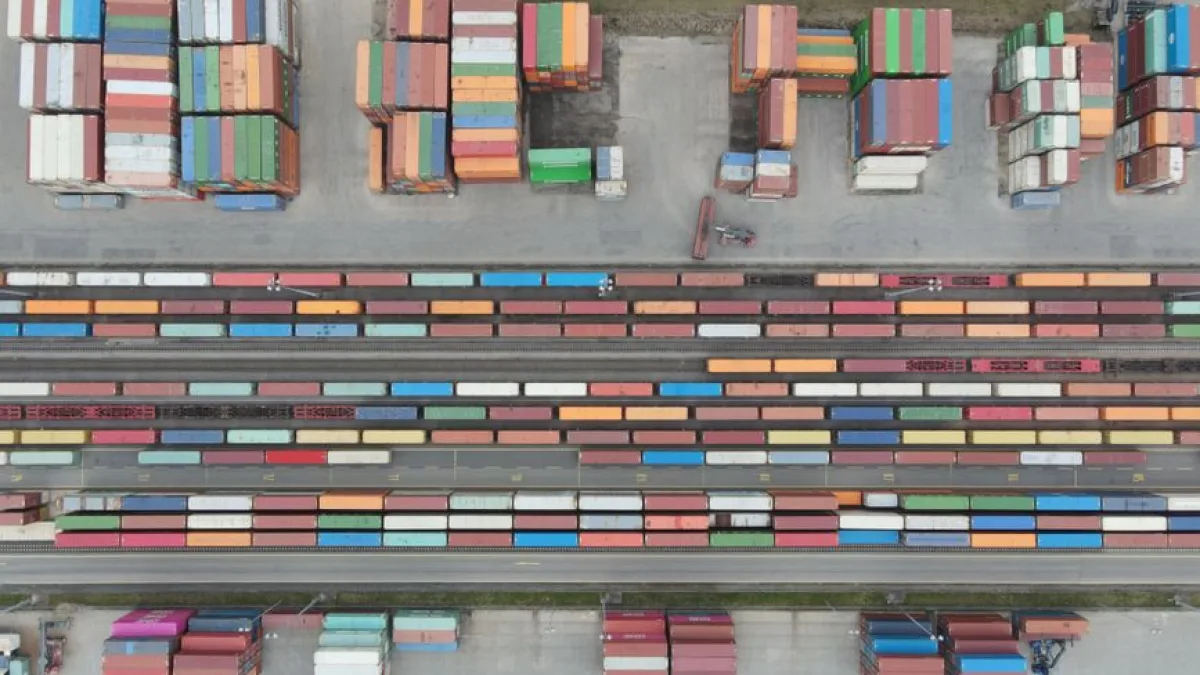
Achieving true visibility requires connecting data points from carriers and terminals into a single operational interface. Modern freight forwarders need to monitor their shipments across multiple modes of transport to proactively manage exceptions before they impact the final delivery timeline.
- Carrier API Integration: Sync your operations software directly with shipping lines and trucking firms to receive automatic tracking updates, providing your team with live data without manual checkins.
- Proactive Exception Alerts: Configure your management platform to trigger instant notifications whenever a shipment deviates from its planned schedule, allowing you to react quickly to potential delays or congestion.
- Live Location Mapping: Deploy interactive dashboards that visualize shipment routes on a map, offering stakeholders a clear understanding of cargo status at any specific moment during transit cycles.
- Partner Collaboration Portals: Provide your subcontractors and vendors with limited access to your system, ensuring that everyone involved follows the same operational workflow and shares consistent, reliable status updates.
Increased transparency provides a significant leverage point when managing client expectations during supply chain disruptions. By identifying potential issues early, your team can offer alternative solutions rather than simply reporting delays. This level of proactive service builds deep trust with customers, establishing your firm as a reliable partner capable of navigating the complex global logistics environment with confidence and technological precision.
Streamlining Carrier Communications

Efficient communication is the backbone of successful freight forwarding and requires moving away from fragmented email chains. By centralizing all carrier interaction within a single platform, you ensure that every team member understands the current status of each negotiation.
- Unified Messaging Channels: Replace scattered email threads with dedicated messaging tools attached to specific shipment records, which keeps all context and history in one easy to find location.
- Automated Status Updates: Use software triggers that notify your carriers of pending requirements, reducing the need for constant phone calls and allowing your team to focus on logistics.
- Shared Operational Dashboards: Provide carriers with clear task lists via a collaborative interface, ensuring that pickups and deliveries are coordinated without the confusion of conflicting verbal or text instructions.
- Vendor Performance Tracking: Maintain logs of carrier responsiveness and accuracy within your platform, giving you the data necessary to select the best partners for future shipments and complex routes.
Optimizing how you communicate with your network reduces human error and speeds up every step of the transit process. When carriers follow a structured digital workflow, your operations team spends less time playing catch up and more time coordinating high value shipments. This streamlined approach minimizes misunderstandings and helps you maintain strong relationships with your external partners throughout the entire shipping cycle.
Automating Financial Workflows

Financial management represents the most critical aspect of your operations, yet it is often the most prone to manual errors. By automating your invoicing and billing processes, you ensure accurate cash flow management while reducing the time spent on accounting.
- Instant Invoice Generation: Automatically create detailed invoices based on completed shipment data, ensuring that your billing is always precise and sent to the customer immediately upon shipment completion.
- Direct Cost Reconciliation: Sync your internal records with carrier invoices to identify discrepancies instantly, which saves your accounting team hours of manual checking and prevents overpayment to your providers.
- Payment Status Tracking: Utilize automated reminders for overdue accounts, maintaining a healthy cash flow by ensuring your clients are prompted to pay without requiring manual follow up emails.
- Multi Currency Support: Manage complex international shipping costs by using built in currency conversion tools, ensuring that your financial records remain accurate regardless of the international markets involved.
Automating your financial systems creates a solid foundation for sustainable growth and long term profitability within your forwarding business. By removing manual data entry from your accounting tasks, you significantly reduce the risk of missing charges or incorrect billing totals. This level of financial clarity allows leadership to make informed decisions based on real time data, keeping your business profitable and lean.
Conclusion

Transforming your freight operations requires a commitment to digital tools and a willingness to evolve your workflows. By centralizing documents, enhancing visibility, refining communication, and automating finances, you position your firm for long term success. Stay ahead by consistently evaluating your software capabilities and ensuring your team utilizes these powerful resources effectively. Modern logistics demands efficiency, and those who adapt today will thrive tomorrow.