Optimizing Freight Operations for Modern Forwarding Success
Saturday, October 31 2026
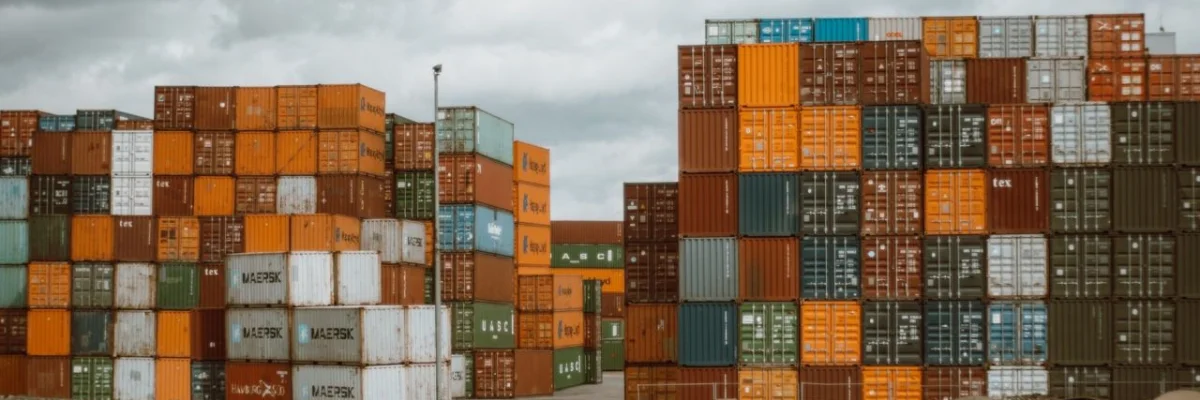
The global logistics landscape is undergoing a massive transformation driven by rapid technological advancement and increasing customer demands for real-time visibility. Freight forwarders are currently balancing complex supply chain disruptions with the need to maintain lean, profitable operations. Transitioning from legacy manual processes to cloud-based management platforms is no longer just an advantage but a necessity for those looking to scale effectively. By centralizing data and automating routine administrative workflows, firms can eliminate costly communication silos. This article explores essential strategies to modernize your freight operations and secure a competitive edge in today's fast-paced international trade environment.
Automating Shipment Documentation

Documentation remains a massive bottleneck for many logistics providers who rely on slow, paper-based systems. Digitizing these records minimizes human error, improves audit compliance, and allows your team to focus on exception management rather than tedious data entry tasks.
- Reduce manual errors: Automating data extraction from bills of lading ensures that information accuracy remains high throughout the entire transport cycle, preventing expensive corrections and delays at the customs border.
- Faster document processing: Integrated cloud platforms enable teams to generate, send, and archive necessary shipping documents instantly, significantly reducing the turnaround time required for complex international export compliance workflows.
- Centralized document repository: Storing all shipping files in a single, secure cloud-based environment makes retrieving critical records effortless for every team member while providing a clear audit trail for customers.
- Improved data accuracy: Standardizing how information is captured across the organization eliminates discrepancies between carrier documents and internal records, resulting in smoother operations and higher customer trust levels.
By shifting away from legacy paper processes, you empower your staff to operate with greater speed and precision. This digital transition effectively reduces the administrative burden, allowing your human experts to focus their energy on solving complex logistics challenges. Embracing automation is the fundamental step toward achieving a scalable operational model that consistently delivers reliable results while driving significant long-term growth for your forwarding business.
Enhancing Real-Time Tracking
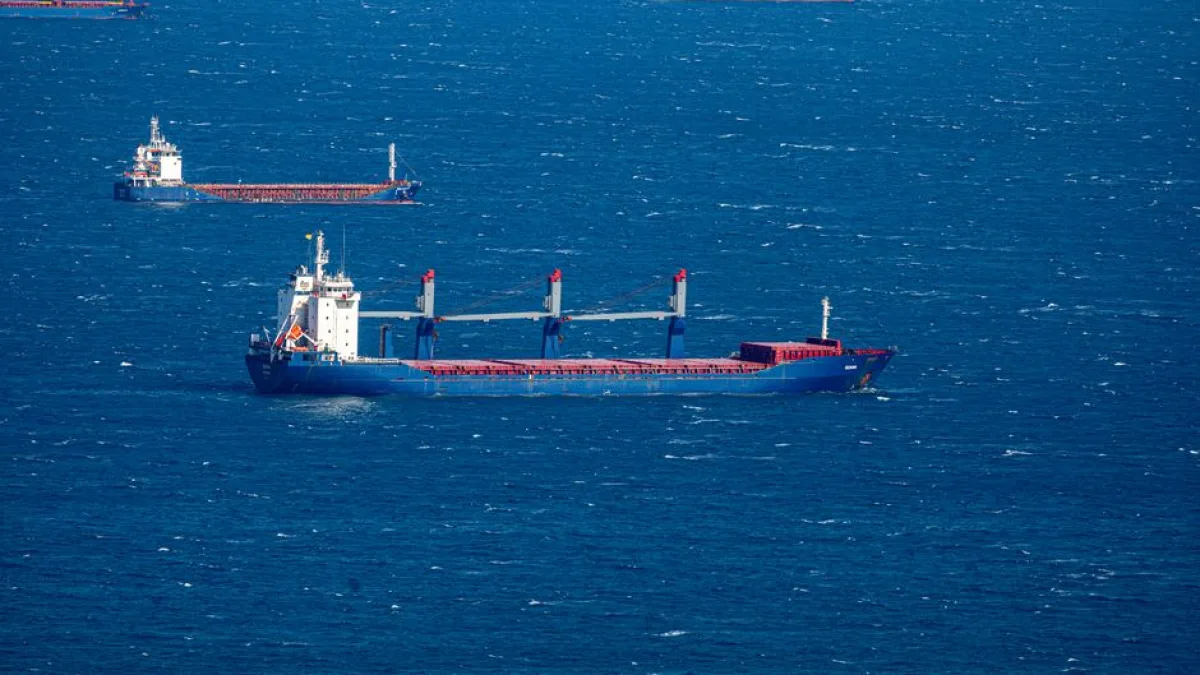
Visibility is the primary currency of the modern logistics industry. Clients demand live updates on their cargo status, and providing this level of transparency is essential for building strong relationships while reducing the volume of inbound status inquiry calls.
- Live milestone updates: Providing automatic status alerts ensures that customers receive accurate, timely information regarding their shipment progress without needing to contact your operations team for simple status checks.
- Exception management alerts: Automated notification systems flag potential delays early, allowing forwarders to proactively communicate with stakeholders and implement contingency plans before the situation impacts overall customer satisfaction levels.
- Unified carrier tracking: Integrating diverse carrier data into one dashboard simplifies the process of monitoring complex multi-modal shipments, keeping all relevant information accessible in one user-friendly interface location.
- Enhanced client portals: Giving customers secure, 24/7 access to their own tracking data reduces your administrative workload while empowering clients with the transparency they expect in modern commerce.
Proactive transparency transforms the client experience by removing the uncertainty often associated with global shipping. When your operations team moves from being reactive status providers to proactive supply chain partners, you build lasting loyalty. Consistent visibility ensures that your brand remains the top choice for shippers who value reliability and professional communication throughout the entire end-to-end transport lifecycle of their goods.
Streamlining Financial Workflows

Financial health depends on how quickly you can invoice customers and reconcile payments with carrier costs. Efficient billing cycles improve your cash flow and reduce the time your accounting team spends chasing down pending payments or resolving disputes.
- Integrated billing modules: Linking shipment records directly to accounting software ensures that invoices are generated accurately as soon as cargo reaches its destination, preventing significant delays in revenue collection.
- Automated cost allocation: Handling complex multi-currency calculations automatically reduces the risk of errors and saves hours of manual work during the monthly financial close and reporting cycle process.
- Faster payment processing: Providing digital payment options through secure online portals encourages customers to settle accounts faster, significantly improving the overall cash flow position of your logistics company.
- Clear cost visibility: Tracking operational expenses against individual shipments helps managers identify low-margin accounts, enabling data-driven decisions that improve overall company profitability and resource allocation strategy efforts.
Optimizing the financial side of your freight operations ensures that your business remains liquid and prepared for future investment. By reducing the time between service delivery and final payment, you eliminate common bottlenecks that stifle growth. A streamlined financial operation provides the capital necessary to reinvest in technology, talent, and expansion, keeping your organization competitive within the demanding international shipping marketplace.
Leveraging Predictive Data Analytics

Data is the most valuable asset in any logistics firm, yet many forwarders leave it untapped. Utilizing predictive analytics allows you to identify trends, optimize routes, and make strategic decisions based on hard evidence rather than intuition alone.
- Route optimization insights: Analyzing historical performance data helps teams select the most efficient lanes and carriers, which reduces transit times and minimizes fuel surcharges on long-term logistics contracts.
- Demand forecasting accuracy: Predictive models assist in anticipating seasonal spikes in volume, ensuring that your company has sufficient capacity and resources to meet client demands without service degradation.
- Carrier performance benchmarking: Evaluating carrier speed and reliability metrics enables you to build a network of high-performing partners who consistently meet delivery requirements at competitive price point levels.
- Strategic business growth: Transforming raw operational data into actionable reports provides leadership with the clear insights needed to identify new market opportunities and refine service offerings effectively.
Data-driven management is the key to evolving from a traditional freight forwarder into a modern supply chain expert. By continuously monitoring your performance metrics and market trends, you create a culture of constant improvement. These insights enable your team to anticipate market shifts, optimize your service portfolio, and maintain a sharp focus on achieving sustainable profitability in an unpredictable global trade landscape.
Conclusion

Modernizing your freight operations requires a commitment to cloud technology, automation, and data-driven decision making. By streamlining your documentation, visibility, finances, and analytics, you create a robust foundation for scalable success. Freight forwarding is becoming increasingly digital, and those who adapt today will be the leaders of tomorrow. Start integrating these strategies into your daily operations to maximize your overall efficiency and long-term profitability.