Optimizing Freight Operations for Modern Forwarding Success
Sunday, November 1 2026

The global logistics landscape is undergoing a massive transformation driven by rapid digitization and changing customer expectations. As freight forwarders manage increasingly complex supply chains, the ability to maintain operational agility becomes a primary competitive advantage. Efficiency is no longer just about reducing manual tasks but about creating a seamless flow of data across all touchpoints. By adopting robust cloud-based technologies and refining internal workflows, forwarders can unlock significant value. This shift allows teams to pivot away from reactive troubleshooting toward proactive strategy, ensuring that cargo moves reliably regardless of market volatility or unexpected disruptions in international transport.
Streamlining Documentation Workflows

Digitizing your documentation process is the first step toward achieving operational excellence. By removing paper-based dependencies, your team can accelerate billing cycles and minimize costly errors that frequently delay shipments during the critical customs clearance phase at international ports.
- Automated Data Entry: Implement smart systems that pull information from bills of lading directly into your platform to eliminate manual typing and reduce the risk of human error significantly.
- Centralized Document Storage: Maintain a single source of truth where all your digital files reside so your team can access essential paperwork from any location instantly.
- Real-Time Collaboration Tools: Connect your internal staff with global partners using shared platforms that allow for simultaneous document editing and instant verification of updated shipment details.
- Enhanced Compliance Monitoring: Utilize automated triggers that alert your staff when documentation is missing or incorrect before it impacts the movement of critical freight cargo.
Transforming your document management strategy yields long-term dividends by freeing up valuable human capital. When your staff spends less time chasing paper, they gain more capacity to focus on high-value client relationships and strategic network expansion. Transitioning to a paperless environment is not merely an IT upgrade but a fundamental change in your operational culture that drives speed, accuracy, and sustained growth.
Enhancing Real-Time Shipment Visibility
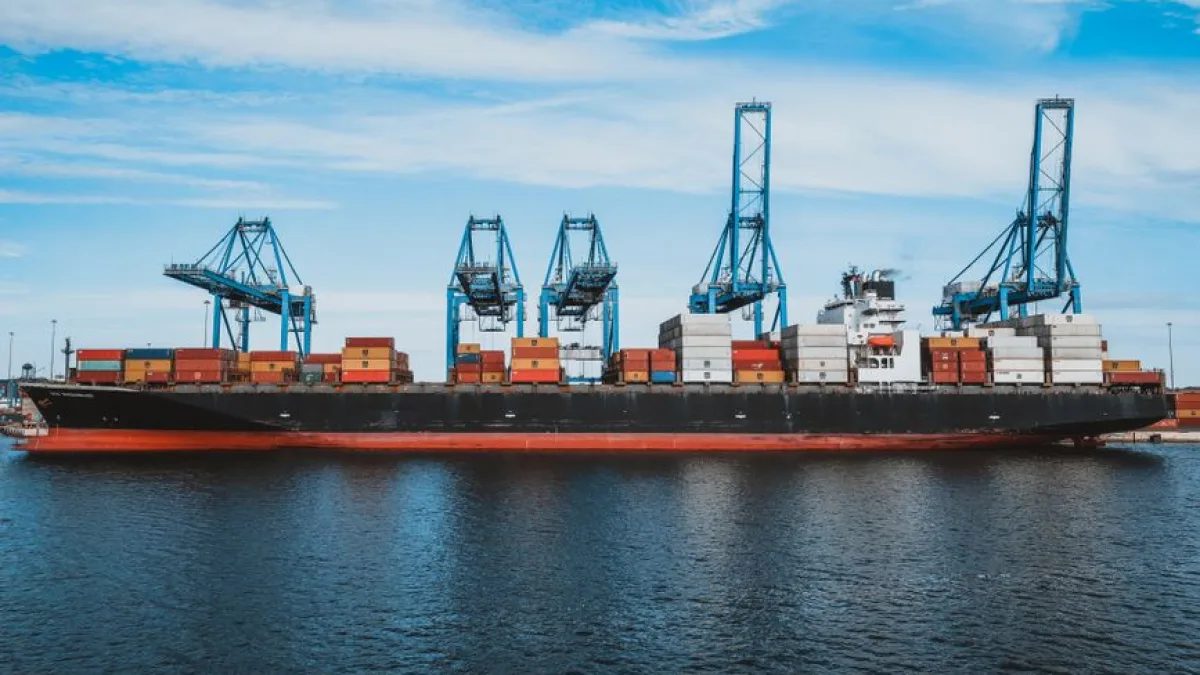
Visibility serves as the backbone of modern freight forwarding, providing clients with the clarity they demand. By integrating live tracking data, you ensure that every stakeholder remains informed about shipment status, potential delays, and final delivery milestones throughout transport.
- Integrated Tracking APIs: Connect your core software directly to carrier feeds to receive automatic updates on vessel positions and arrival times without manual status checking.
- Client Facing Dashboards: Provide your customers with a secure portal where they can monitor their shipments in real time and download status reports whenever necessary.
- Proactive Delay Alerts: Configure automated notification systems that send immediate emails or messages to your team if a shipment deviates from its planned transit schedule.
- Data Driven Forecasting: Leverage historical tracking data to provide clients with more accurate transit estimates that improve their own inventory planning and logistics management.
Providing radical transparency changes the client relationship from a transactional interaction into a partnership. When customers have access to high-quality data, their trust in your services grows, leading to higher retention rates and better overall service quality. This commitment to visibility separates market leaders from traditional forwarders by setting a standard of accountability that is recognized across the global logistics industry.
Automating Financial Reconciliation

Financial management remains one of the most resource-intensive aspects of freight operations. Automating the reconciliation of invoices and carrier payments helps forwarders maintain healthy cash flows while ensuring that profit margins are protected through rigorous and consistent oversight.
- Automated Invoice Audits: Compare carrier charges against your initial quotes automatically to detect discrepancies and avoid overpaying for services that were not actually provided or agreed.
- Streamlined Payment Processing: Link your accounting software to your freight platform to ensure that payments are triggered accurately once specific delivery milestones are successfully completed.
- Currency Management Tools: Manage multi-currency transactions efficiently by using automated exchange rate updates that protect your margins against sudden shifts in global market valuations.
- Accurate Profit Analysis: Gain visibility into your actual shipment costs versus revenue to determine which routes or partners offer the highest value to your company.
Tight financial control ensures that your company can scale without being held back by administrative bottlenecks. By automating the mundane tasks of invoice processing and reconciliation, you empower your finance team to act as strategic advisors rather than data entry clerks. Consistent financial oversight protects your company reputation and ensures that you remain a preferred partner for global carriers and shippers.
Leveraging Scalable Software Infrastructure

Modern cloud infrastructure provides the flexibility required to adapt to shifting market demands. Utilizing scalable software solutions allows forwarders to expand their service offerings or geographic reach without facing the limitations of legacy systems or physical hardware constraints.
- Elastic Cloud Resources: Deploy software that scales with your shipment volume so you are never limited by slow servers during peak seasons or high demand periods.
- Seamless Third-Party Integrations: Build an ecosystem where your software connects easily with customs systems, accounting platforms, and warehouse management tools for a unified workflow.
- Enhanced Cybersecurity Protocols: Protect your sensitive client data with advanced encryption and regular security updates provided automatically through your cloud-based platform service model.
- Continuous Feature Updates: Benefit from ongoing improvements and new capabilities released by your software provider without the need for complex manual installations or system downtime.
Investing in a scalable platform is a strategic commitment to your future operational resilience. As your business grows, the software matures with you, ensuring that you always have access to the latest tools and security features available. By prioritizing modern cloud infrastructure, you position your firm to capitalize on emerging opportunities while maintaining the stability and reliability that global clients expect today.
Conclusion

Successful freight operations require a commitment to integrating digital tools that foster transparency and efficiency across the entire supply chain. By modernizing your documentation, automating finances, and adopting scalable cloud technologies, you empower your team to provide exceptional service. Evaluate your current operational workflows today to identify where technology can bridge the gap between your present capabilities and your future business goals.