Optimizing Freight Operations for Modern Logistics
Sunday, July 26 2026

Modern freight forwarding requires a delicate balance of precision, speed, and visibility to remain competitive in a volatile global market. As supply chains grow more complex, forwarders face constant pressure to reduce overhead while simultaneously improving service levels for their clients. Relying on legacy manual processes often leads to data silos and costly communication errors that stall operational growth. By embracing cloud-based digital transformation, logistics businesses can unlock significant efficiency gains. MakeCargo provides the tools necessary to bridge these gaps, ensuring that every shipment is monitored, managed, and executed with professional accuracy in an increasingly digital-first transportation landscape.
Automating Shipment Documentation

Streamlining the paperwork process is the first step toward achieving a truly efficient freight operation. Digital automation removes the burden of repetitive data entry, allowing your team to focus on strategic client needs instead of manual file management tasks.
- Reduced Data Entry: Cloud platforms capture data directly from emails and documents to eliminate human errors during the input phase and ensure that all shipment records remain perfectly consistent.
- Instant Document Generation: Automate the creation of bills of lading and commercial invoices by pulling existing shipment data into pre-built templates for fast and accurate processing every time.
- Centralized Document Storage: Maintain a single digital repository for all shipping files to ensure that your entire operations team can access necessary documents at any given moment.
- Seamless Regulatory Compliance: Use integrated software tools to validate customs forms automatically before submission, which prevents expensive delays at borders and keeps your cargo moving forward without interruptions.
Transitioning to automated documentation workflows significantly reduces the hours spent on administrative overhead each week. When your staff no longer wastes time searching through physical folders or managing conflicting email versions, they can redirect their energy toward high-value tasks. This shift in focus empowers your team to handle larger shipment volumes without requiring additional headcount, ultimately improving the profitability of your logistics business.
Enhancing Real-Time Visibility
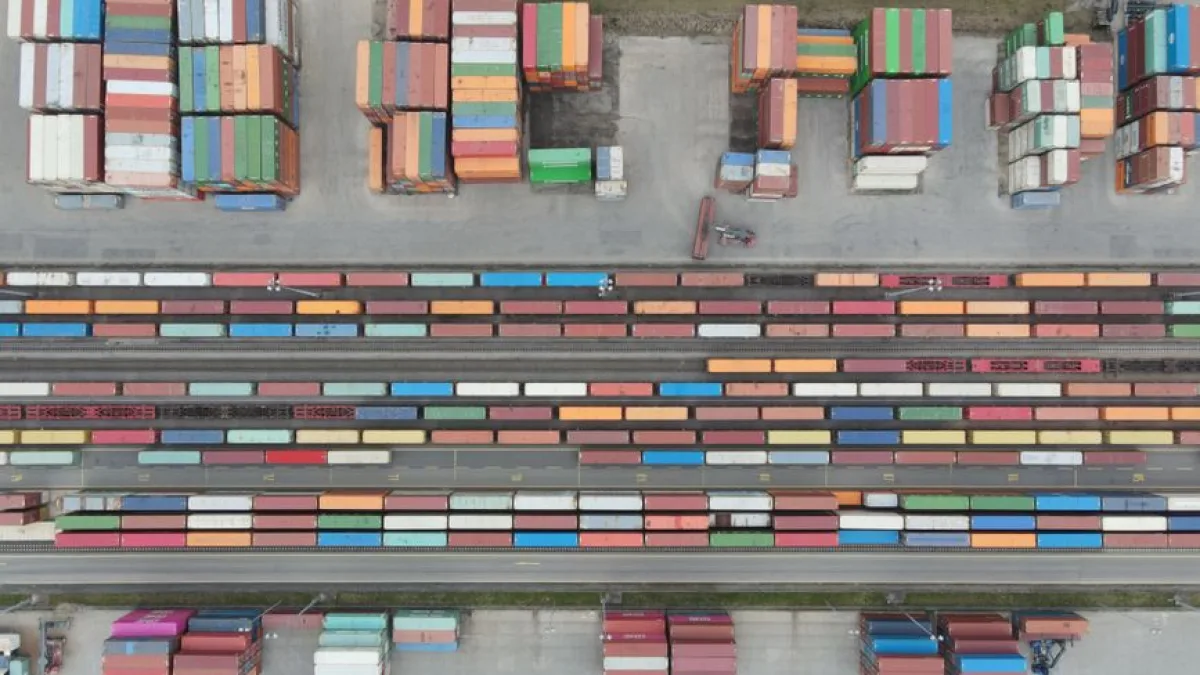
Transparency acts as the cornerstone of customer trust in the freight industry today. Clients demand instant updates on their cargo status, and providing this visibility requires sophisticated tracking tools that integrate seamlessly with various global carriers and regional partners.
- Live Shipment Tracking: Provide clients with a secure portal to monitor their goods in real-time, which reduces the volume of status inquiries handled by your customer service department.
- Automated Status Alerts: Configure your system to send proactive notifications regarding milestones or delays, ensuring that stakeholders remain informed without needing to reach out for updates manually.
- Carrier Data Integration: Connect directly to carrier portals via API to pull live tracking information into one dashboard, keeping all your data synchronized and accurate across platforms.
- Proactive Problem Solving: Detect potential bottlenecks or transit delays early through alert systems, allowing your team to inform clients and arrange alternative solutions before issues become critical incidents.
Providing exceptional visibility is no longer an optional service for freight forwarders. It serves as a key differentiator that builds lasting loyalty with your customers while simultaneously streamlining your internal communication flows. By putting accurate data directly into the hands of your clients, you establish a reputation for reliability and professionalism that helps your forwarding business grow in a highly competitive market.
Managing Carrier Relationships

Building strong connections with carriers is essential for securing competitive rates and reliable space allocation. A structured approach to carrier management allows you to leverage your shipping volumes effectively while maintaining high standards for service and performance delivery.
- Performance Analytics Dashboards: Measure carrier performance based on transit times and damage records to identify the most reliable partners for your future shipments and optimize your routing strategy.
- Dynamic Rate Management: Store and compare multiple carrier quotes within a unified interface to ensure you are always selecting the most cost effective option for every route.
- Contract Lifecycle Tracking: Keep track of upcoming contract expirations and renewals to maintain steady access to capacity and avoid unexpected pricing spikes during high season market shifts.
- Direct Communication Channels: Utilize integrated messaging tools to coordinate with carrier representatives, ensuring that your instructions are clear and that any changes are updated in the system.
Maintaining clear and consistent communication with your partners helps you navigate the complexities of global trade with far greater confidence. When you monitor carrier performance alongside cost data, you gain the leverage needed to negotiate better terms for your clients. This disciplined approach ensures that your operations remain resilient, cost-effective, and fully capable of handling diverse logistical requirements throughout the entire year.
Scaling Through Cloud Solutions

The future of freight forwarding rests on the scalability offered by cloud-based software environments. As your business grows, your technology must adapt to handle increased transactional data and larger global networks without causing system performance issues or technical debt.
- Remote Team Collaboration: Enable your global team members to work together on the same shipments from any location, fostering a culture of efficiency and shared accountability today.
- Flexible System Scalability: Cloud infrastructure allows you to scale your operational capacity up or down according to seasonal demand spikes without needing major hardware investments or updates.
- Automated Security Updates: Ensure that your sensitive client data remains protected against emerging cyber threats through consistent software patches managed automatically by your chosen cloud service provider.
- Scalable API Integrations: Connect your freight platform with third party accounting or CRM tools easily to create a unified software ecosystem that supports your specific business goals.
Adopting cloud-based logistics software provides the flexibility required to thrive in a rapidly changing world. By moving your operations to the cloud, you eliminate the constraints of physical office infrastructure and gain the ability to innovate faster than your competition. This investment in modern technology positions your company for sustainable growth, ensuring you are always ready to meet the evolving demands of shippers.
Conclusion

Optimizing freight operations demands a commitment to digital transformation and continuous process improvement across your organization. By automating documentation, enhancing shipment visibility, and leveraging smart cloud tools, you can reduce costs while delivering superior service to your global clients. Start integrating these advanced solutions today to build a more resilient, scalable, and profitable logistics future for your company and your partners.