Optimizing Freight Operations for Modern Logistics
Sunday, August 2 2026
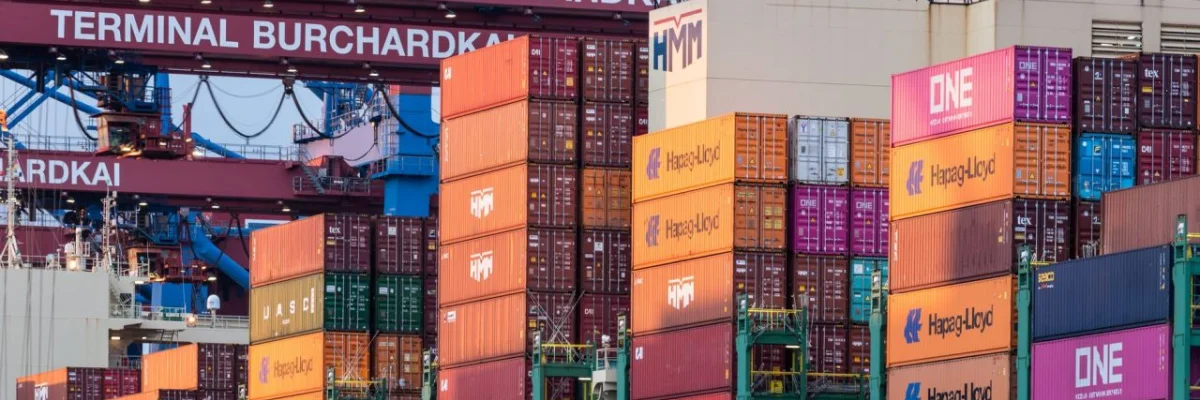
Freight forwarding is currently navigating a period of unprecedented digital transformation, requiring teams to shift away from manual processes toward integrated software solutions. As global supply chains grow in complexity, the ability to maintain visibility, ensure accurate documentation, and manage carrier relationships effectively determines a firm's competitive edge. By leveraging cloud-based platforms, forwarders can break down information silos and create a unified operational backbone. This transition not only enhances efficiency but also empowers teams to respond rapidly to market volatility, ensuring that cargo moves seamlessly across international borders while maintaining client satisfaction at every critical touchpoint throughout the shipment lifecycle.
Streamlining Documentation Workflows

Managing global shipments involves heavy paperwork that often bottlenecks operations. Modern cloud systems convert manual data entry into automated flows, ensuring that every bill of lading and commercial invoice remains accurate while reducing errors that traditionally plague the shipping industry.
- Automated Data Entry: Implement software that automatically captures and populates shipment data directly from carrier documents to prevent manual transcription errors and save your team hours of repetitive work.
- Digital Document Storage: Maintain a centralized cloud repository where all necessary shipping documents are stored securely for instant retrieval by authorized team members during audits or daily operations.
- Real-time Collaboration: Enable multiple team members to edit and review shipping documents simultaneously within a secure platform to avoid version control issues and speed up approval cycles.
- Standardized Document Templates: Use pre-built templates for common freight documents to ensure consistency across all client files and meet international regulatory requirements with minimal effort or extra training.
Digital transformation significantly lowers the risk of costly administrative delays. By removing manual document handling, freight forwarders improve their accuracy and allow staff to focus on strategic client needs. Transitioning to automated workflows ensures your firm maintains a scalable infrastructure that keeps up with increasing shipping volumes while drastically improving the speed of your daily operations across global markets.
Enhancing Real-time Shipment Visibility
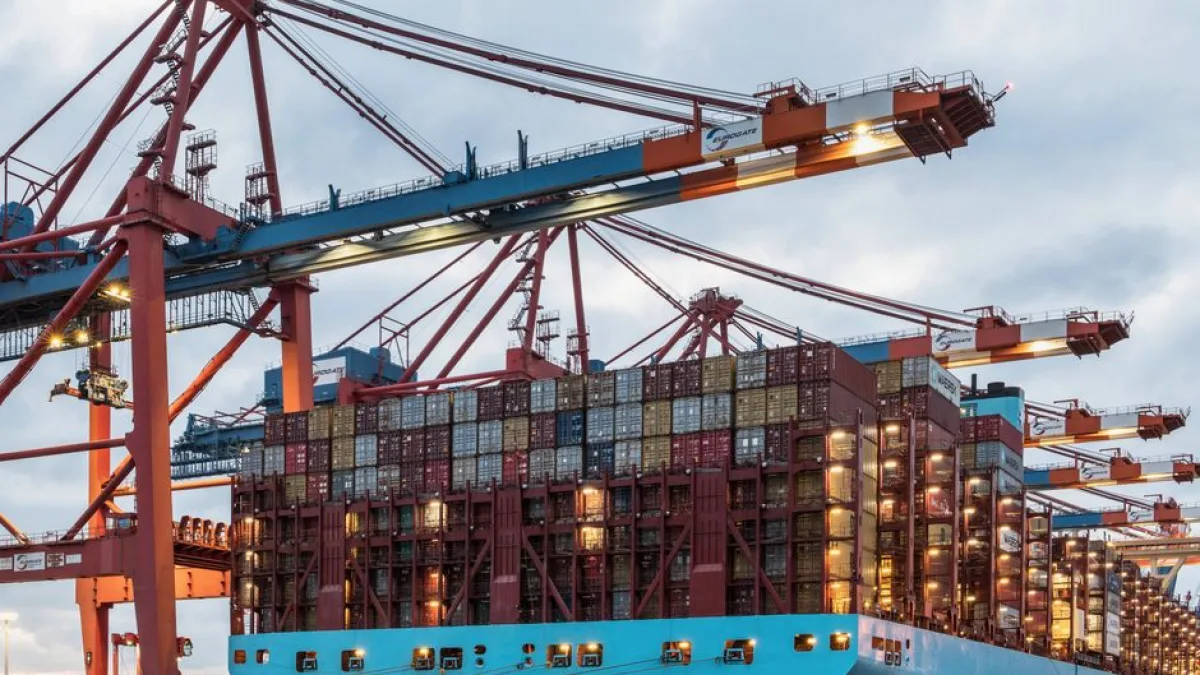
Visibility is the foundation of trust in logistics. Clients expect instant updates on cargo status, and providing this through automated tracking tools is no longer optional but a standard requirement for maintaining long-term partnerships with sophisticated modern shippers.
- Instant Status Updates: Integrate direct carrier API connections to provide live tracking information, giving your team and clients instant visibility into the exact location of every shipment.
- Customized Client Portals: Offer your customers access to personalized dashboards where they can monitor their shipments and download reports without needing to call or email your staff.
- Proactive Delay Alerts: Utilize automated notifications that trigger when a shipment faces unexpected delays, allowing you to inform clients immediately and offer solutions before problems escalate further.
- Unified Tracking Dashboard: Consolidate data from multiple carriers into one single interface so your operations team can monitor the entire fleet status without switching between different systems.
Providing exceptional transparency builds strong customer loyalty. When you deliver accurate, real-time data, you position your agency as a reliable partner capable of navigating complex shipping lanes. This proactive approach to communication distinguishes your service in a crowded market, ensuring clients feel confident in your ability to manage their supply chain needs effectively despite the challenges of modern global shipping.
Optimizing Carrier Management

Managing carrier relationships requires careful data tracking to ensure competitive rates and reliable service quality. By monitoring performance metrics through integrated software, forwarders can select the best partners for specific routes while negotiating better terms for their recurring shipping volume.
- Carrier Performance Tracking: Maintain detailed records of carrier reliability, including transit times and incident rates, to make data-driven decisions when selecting service providers for specific client needs.
- Dynamic Rate Comparison: Utilize comparison tools that pull live market rates from multiple partners, helping you secure the most cost-effective solutions for your clients every time.
- Contract Management Tools: Store all carrier agreements in a searchable database to track expiration dates and ensure your team always applies the correct pricing to shipments.
- Improved Negotiation Power: Aggregate your historical shipping volume data to gain leverage during contract negotiations with carriers, helping you achieve lower costs and better service agreements.
Data driven carrier management transforms your operational costs into a strategic advantage. By identifying top performers, your team can consistently meet client expectations while maintaining healthy margins. This analytical approach to procurement ensures your firm stays resilient even when carrier capacity tightens or market rates fluctuate unexpectedly, allowing for more stable pricing structures that ultimately benefit your end customers and company revenue.
Scaling Operations Through Integration

Scalability requires systems that talk to each other. Connecting your freight platform with accounting, CRM, and warehouse tools eliminates fragmented data and allows for a smooth flow of information from the initial quote to the final invoice generation.
- Accounting System Sync: Integrate your freight software with accounting platforms to ensure that all financial data transfers automatically, speeding up the invoicing process and improving cash flow.
- CRM Data Integration: Connect your client management system to your operations platform, ensuring that customer preferences and history are always visible when booking new shipment orders.
- API Driven Ecosystems: Use open APIs to connect specialized logistics tools, creating a customized software stack that solves unique business challenges without the need for manual coding.
- Cloud Based Scalability: Leverage cloud infrastructure to handle increased transaction volumes effortlessly, ensuring your team can grow without the need for expensive hardware or complex local server upgrades.
Integrating your tech stack creates a unified business environment that supports rapid growth. When systems communicate seamlessly, your team avoids duplicate data entry and minimizes the chance of billing errors. This efficient digital architecture empowers your company to handle complex operations with ease, creating a sustainable foundation that allows you to pursue new market opportunities while maintaining high standards for service.
Conclusion
Modernizing your freight operations is a strategic necessity in the current digital economy. By leveraging cloud software to automate documentation, provide shipment visibility, and integrate business systems, your firm can achieve greater efficiency and reliability. Start auditing your current manual processes today to identify where technology can drive improvement. A commitment to digital transformation ensures your freight forwarding business remains agile, competitive, and successful.