Optimizing Freight Operations for Modern Logistics
Wednesday, August 5 2026
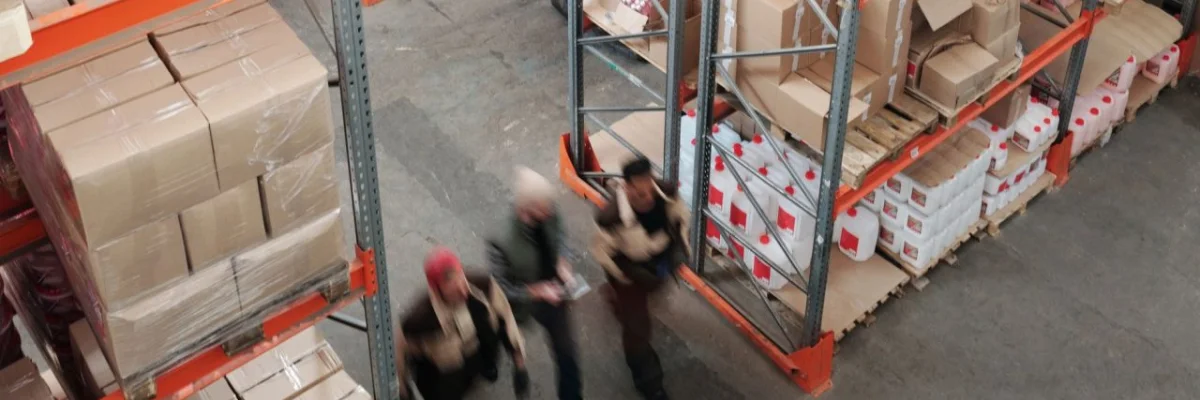
Freight forwarding is undergoing a profound digital transformation that demands agility and precision from every professional in the industry. As global supply chains grow increasingly complex, the reliance on outdated manual processes poses a significant risk to efficiency and profitability. Modern freight forwarders must now embrace cloud-based tools to centralize data, automate repetitive tasks, and provide real-time visibility to their clients. By shifting toward a data-driven operational model, forwarders can reclaim valuable time, reduce human error, and position themselves as indispensable partners in the global trade ecosystem while maintaining competitive margins in an ever-shifting market landscape.
Automated Workflow Management

Manual data entry often serves as the primary bottleneck for many logistics firms, leading to unnecessary delays and costly mistakes. Automating these routine workflows allows teams to refocus their energy on strategic growth, complex problem solving, and high-level client relationship management.
- Eliminate manual errors: Automating documentation entry reduces the risk of typos that often cause customs delays and expensive fines, ensuring that your operations remain smooth and fully compliant throughout.
- Faster document processing: Digital platforms capture data directly from bills of lading or invoices, significantly speeding up the movement of information through your internal operational pipelines and approval chains.
- Standardize operational steps: Implementing automated workflows ensures every shipment follows a consistent process, preventing critical steps from being skipped by busy team members during peak seasonal volume spikes.
- Centralized data access: Keeping all shipment information in one cloud location empowers your entire team to find documents instantly, eliminating the need to search through disorganized email threads.
Adopting automation is no longer a luxury for freight forwarders but a mandatory requirement for long-term survival. When systems handle the repetitive grunt work, employees can dedicate their skills to building stronger logistics networks. This transition reduces operational friction, prevents burnout, and significantly improves the overall speed of service delivery, creating a distinct competitive advantage that clients will recognize and appreciate in your business.
Real Time Shipment Visibility

Transparency is the new currency of logistics because clients demand constant updates on their cargo locations. Providing high-quality, real-time tracking reduces communication fatigue for your staff and builds deep, long-term trust with every single shipper you serve.
- Proactive client alerts: Automatically sending tracking updates to customers via email or portals minimizes the volume of manual status inquiry requests your support team receives daily.
- Integrated carrier tracking: Connecting your platform directly to carrier APIs ensures that tracking data is always accurate and updated, removing the need for manual status checks.
- Customized delivery notifications: Setting specific milestones for alerts allows you to provide personalized experiences for premium clients who require detailed updates at every single cargo transit point.
- Predictive delay management: Advanced visibility tools help identify potential bottlenecks before they happen, allowing your team to proactively suggest alternate routes or solutions to frustrated cargo owners.
Delivering exceptional visibility transforms the client experience from a transactional interaction into a partnership. When shippers can view their cargo status at any moment, the dependency on manual email updates drops significantly. This shift saves your team hours of work each week, allowing them to provide proactive solutions instead of reactive responses, which ultimately elevates your company reputation in the eyes of clients.
Digital Document Management
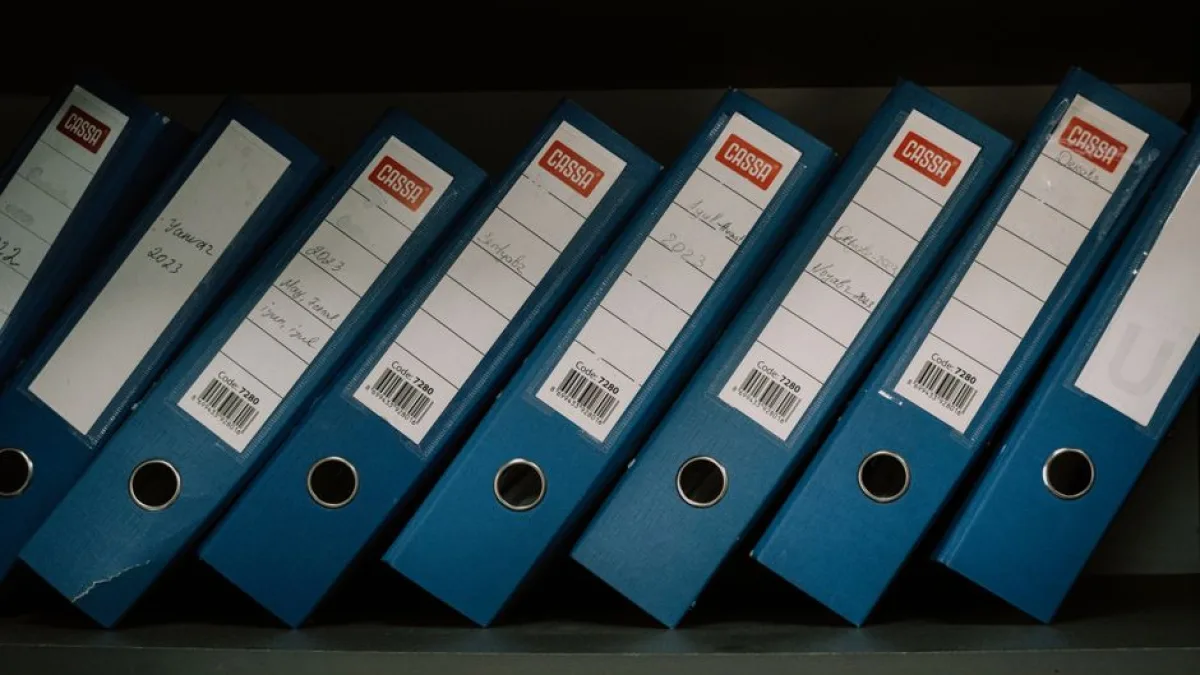
Managing stacks of paperwork is an operational nightmare that leads to loss of information and compliance risks. Moving to a secure digital environment ensures that every document is stored correctly, easily searchable, and available to the right personnel at all times.
- Secure cloud storage: Centralized digital storage protects sensitive shipment documents from loss or damage while ensuring that information remains accessible only to authorized personnel within the organization.
- Instant search capabilities: Using smart tagging and categorization features allows your staff to retrieve specific invoices or customs declarations in seconds rather than wasting time searching folders.
- Version control tracking: Digital systems record every edit made to a document, providing a clear audit trail that helps resolve discrepancies or disputes with partners and vendors.
- Collaborative editing tools: Allowing team members to view and comment on documents simultaneously ensures that everyone stays aligned, preventing confusion regarding the status of pending shipments.
Streamlining document management is essential for maintaining high standards of regulatory compliance and internal organization. By abandoning physical filing cabinets, forwarders gain the flexibility to work from anywhere in the world without losing access to critical data. This digital maturity not only speeds up internal approvals but also provides a professional interface for clients, proving that your firm is technologically capable and efficient.
Strategic Vendor Communication

Effective communication with carriers and overseas agents is the backbone of successful freight forwarding operations. Building robust digital channels for these interactions ensures that all parties are aligned, reducing the likelihood of miscommunication or cargo mishandling during transit.
- Integrated messaging portals: Communicating through a dedicated platform keeps all important conversations tied to specific shipment files, ensuring no vital instructions or details are ever missed.
- Vendor performance tracking: Monitoring how quickly your partners respond to requests allows you to identify reliable vendors and make informed decisions about your global supply chain network.
- Automated rate inquiries: Sending bulk requests to your preferred carrier list via software saves significant time compared to individual email requests, helping you secure better market rates.
- Shared visibility views: Granting your agents access to shared shipment data ensures they have the same information as your internal team, preventing unnecessary double entry work.
Strong relationships with your logistics partners depend heavily on how smoothly information moves between parties. By choosing technology that encourages clear communication, you minimize errors that often occur during handoffs between agents and carriers. This focus on connectivity results in fewer operational headaches, more reliable transit times for your customers, and a more resilient freight business capable of navigating the complex global trade market.
Conclusion
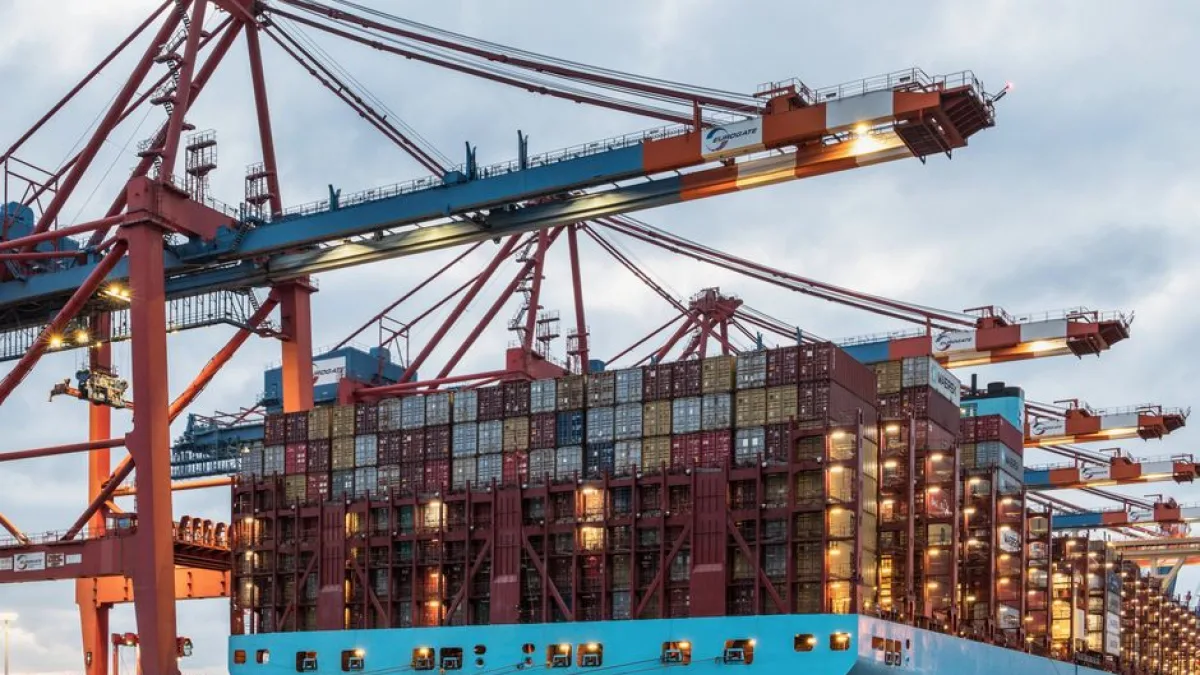
Transforming freight operations requires a commitment to digital tools that enhance efficiency and visibility. By adopting cloud-based platforms, forwarders can automate workflows, secure documentation, and improve communication across the supply chain. These strategic upgrades turn operational challenges into competitive advantages. Start digitizing your freight processes today with MakeCargo to simplify your business operations and deliver superior service to your global shipping clients.