Optimizing Freight Operations for Modern Logistics
Sunday, August 9 2026

Modern freight forwarding requires a delicate balance of speed, accuracy, and cost management to remain competitive in a volatile global market. As supply chains grow more complex, manual processes and outdated legacy systems become significant bottlenecks that hinder growth and reduce profit margins. By integrating advanced cloud technology, forwarders can gain real-time visibility into their shipments and automate repetitive administrative tasks. This digital shift empowers teams to focus on high-value client relationships rather than data entry, ensuring that operational excellence remains at the core of your service delivery in this fast-paced logistics environment.
Digital Workflow Automation

Automating your documentation and invoicing workflows reduces the human error that frequently plagues traditional forwarding operations. By digitizing paperwork, your team can maintain a higher level of accuracy while significantly increasing processing speeds for every individual shipment handled daily.
- Automated Data Entry: Implement software that automatically captures key information from bills of lading to eliminate manual typing errors that cause expensive shipment delays and compliance penalties for shippers.
- Digital Document Management: Store all essential logistics documentation in a centralized cloud repository to provide instant access for your global teams and partners during active shipment lifecycle tracking.
- Automated Invoicing Systems: Generate professional invoices instantly upon shipment completion to improve cash flow and reduce the administrative burden on your accounting staff during busy peak shipping seasons.
- Workflow Task Scheduling: Assign automated alerts for critical shipment milestones to ensure that your logistics team never misses a deadline or regulatory requirement while managing multiple client accounts.
Adopting digital automation transforms your daily operations from reactive firefighting into a proactive management style. When your team stops spending hours on manual input, they gain the bandwidth to handle larger volumes of cargo without increasing overhead costs. This scalability is essential for forwarders who want to win new business and grow their market share within a highly competitive global logistics industry.
Real Time Shipment Visibility
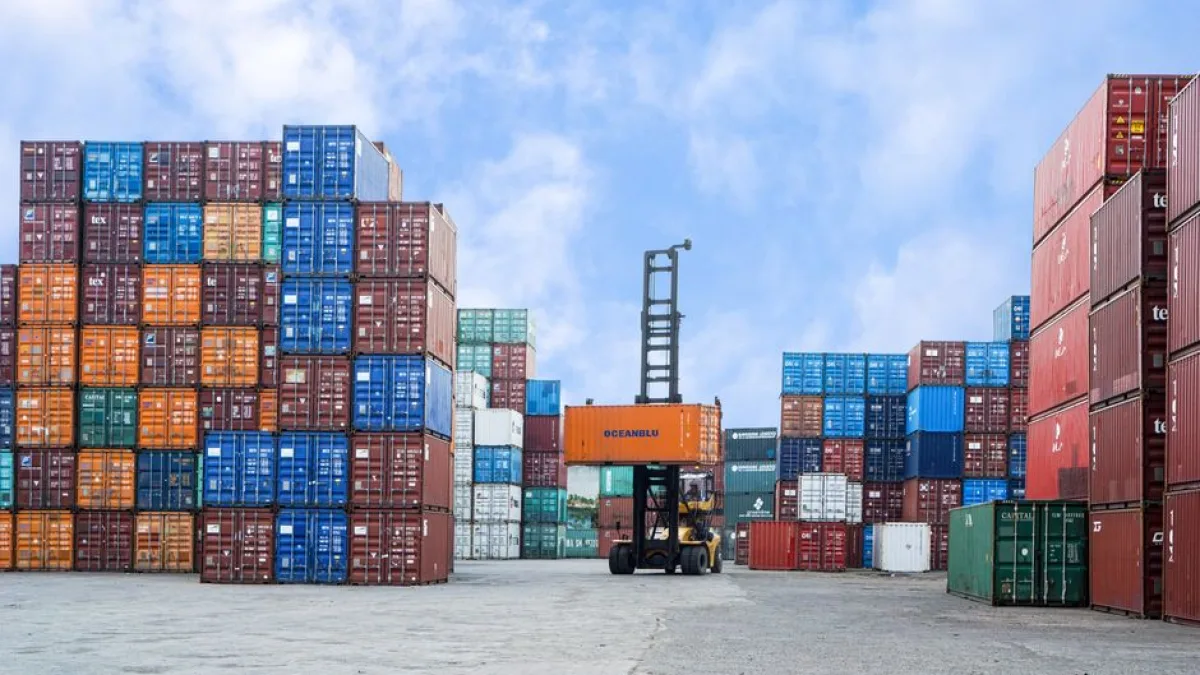
Providing your clients with live tracking updates is no longer optional in today's landscape. A transparent supply chain allows shippers to anticipate disruptions and make informed decisions, ultimately building lasting trust and brand loyalty between the forwarder and the end customer.
- Live Tracking Dashboards: Provide clients with a self-service portal where they can monitor the live status of their freight across multiple transport modes and international carrier network partners.
- Exception Management Alerts: Trigger immediate notifications when shipments deviate from the planned schedule so your team can intervene and propose alternative solutions before issues escalate into crises.
- Carrier API Integration: Connect directly to major shipping lines and airlines to pull real-time movement data into your platform, eliminating the need for manual status update checks.
- Predictive Arrival Forecasting: Utilize historical data and weather patterns to provide clients with accurate arrival estimates that help them manage their own inventory levels more effectively.
Increased transparency provides a significant competitive advantage that distinguishes your forwarding business from traditional operators who keep customers in the dark. By giving your clients the tools to see their freight in real time, you reduce the volume of inquiry calls and emails significantly. This proactive communication style elevates your service level and secures your position as a trusted partner in logistics.
Regulatory Compliance Management

Navigating the complex maze of international trade regulations requires a robust framework to avoid costly fines. Modern freight forwarding software includes built-in compliance checks that flag errors before they reach customs officials, keeping your cross border operations running smoothly and safely.
- Automated Compliance Audits: Perform instant checks against restricted party lists and trade sanctions to ensure that every shipment follows international laws and company safety protocols strictly.
- Standardized Filing Processes: Use pre-filled templates for common customs forms to ensure that all declarations are consistent, accurate, and submitted well ahead of strict port deadlines.
- Audit Trail Records: Maintain a permanent digital history of all communication and documentation for every shipment to protect your agency during external regulatory reviews and audits.
- Document Version Control: Track all revisions to shipping documents to ensure that the most current information is always used by customs agents and logistics stakeholders everywhere.
Maintaining a strong compliance posture is the foundation of long-term success in international trade. When you automate the vetting process, you eliminate the risk of human oversight and protect your reputation with customs authorities worldwide. This systematic approach ensures that you provide a consistent, reliable service to your clients while minimizing the legal risks inherent in complex global freight forwarding operations.
Scalable Carrier Communications

Strong communication lines between your office and external carriers are vital for managing complex freight routes. A unified cloud communication system ensures that everyone remains informed and aligned throughout the journey, preventing miscommunications that could potentially cause expensive shipping delays.
- Centralized Communication Hubs: Consolidate all messages, emails, and platform chats into a single thread per shipment so your staff can quickly review the history of carrier conversations.
- Automated Status Requests: Set up recurring requests to partners that pull data directly into your dashboard, reducing the administrative burden on your logistics coordinators each day.
- Partner Portal Access: Grant secure access to your carriers so they can update status markers themselves, which improves data accuracy and reduces dependency on manual entry.
- Mobile Access Efficiency: Enable your field team and drivers to update shipment statuses using mobile devices while they are on the road to keep data fresh.
Efficient communication is the backbone of any successful freight operation because it bridges the gap between various stakeholders. When your platform handles the heavy lifting of updates and alerts, your team saves valuable time and gains greater control over the logistics process. Investing in better communication tools enables you to handle more shipments with greater ease while improving overall client service satisfaction ratings.
Conclusion

Mastering freight operations requires the right blend of digital tools and strategic workflows to keep pace with global trade demands. By focusing on automation, real-time visibility, strict compliance, and clear communication, your freight forwarding business can achieve new levels of efficiency. Start evaluating your internal processes today to see how MakeCargo can help you scale your operations effectively and maintain a competitive edge.