Optimizing Freight Operations for Modern Logistics
Monday, August 10 2026

In the fast-paced world of global logistics, freight forwarders face increasing pressure to balance speed, cost, and accuracy. As international trade routes grow more complex, the ability to manage shipments with precision becomes the ultimate competitive advantage. Forward-thinking companies are moving away from manual spreadsheets to integrated cloud-based platforms that centralize data and automate routine tasks. By embracing digital transformation, you empower your team to focus on high-value client relationships rather than chasing paperwork. This shift not only improves operational efficiency but also provides the visibility required to navigate modern supply chain disruptions with confidence and strategic foresight.
Mastering Digital Documentation

Transitioning from paper trails to digital workflows is a foundational step for any modern freight forwarding firm. Digital storage ensures that critical documents remain accessible, secure, and searchable across your entire organization, reducing the risk of lost paperwork or costly compliance errors.
- Centralized document management: Consolidate all shipping documents, invoices, and customs forms into a single cloud repository to ensure your team always accesses the most current version of every file.
- Automated data entry: Utilize intelligent scanning tools to extract information from paper bills of lading and commercial invoices, significantly reducing human error and saving valuable administrative hours daily.
- Real-time document sharing: Enable instant collaboration by sharing secure links with overseas agents and local carriers, which eliminates the lag time typically associated with traditional email-based document exchanges.
- Enhanced compliance tracking: Program automated alerts for document expiration dates or missing customs certifications to keep your operations running smoothly without facing regulatory hurdles or port authority penalties.
Adopting a paperless strategy transforms your operational backbone by providing instant access to vital information. When your team spends less time hunting for files, they can dedicate more energy to optimizing routing and solving logistical challenges. This transition builds a reliable infrastructure that supports scalability as your business grows, ensuring that your documentation processes remain as fluid as your global shipping operations.
Leveraging Real-Time Cargo Visibility
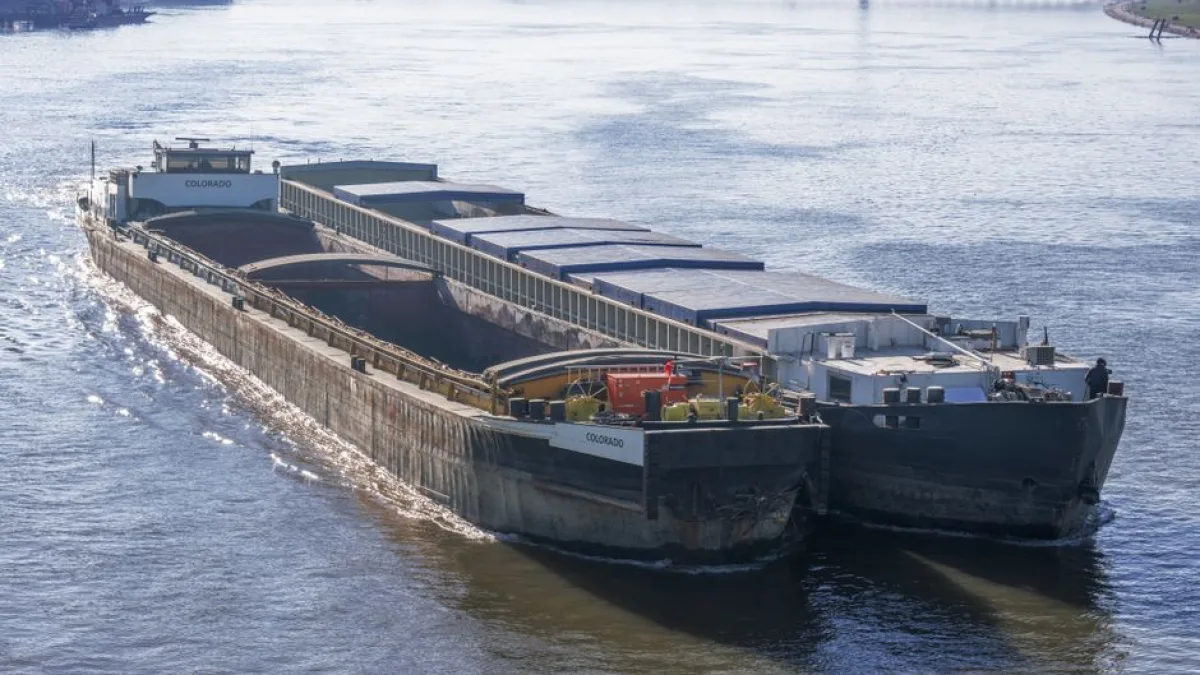
Customers today expect transparency throughout every stage of the shipment lifecycle, from origin to final destination. Providing real-time tracking updates helps build trust and allows your clients to plan their own inventories with much greater precision and reliability.
- Integrated tracking portals: Offer your clients a dedicated portal where they can view live shipment statuses without needing to contact your operations team for manual status updates.
- Automated status notifications: Configure your platform to send trigger-based email or SMS alerts to stakeholders whenever a shipment reaches a milestone or encounters an unexpected transit delay.
- Carrier API integration: Connect directly with major ocean and air carriers to pull live status data into your dashboard, ensuring the information you display is always accurate.
- Proactive delay management: Identify transit bottlenecks early using visual mapping tools, allowing your team to inform clients and arrange alternative solutions before the situation impacts their supply chains.
Superior visibility serves as the primary differentiator in a crowded freight forwarding market. By offering clients a clear window into their supply chain, you position your firm as a strategic partner rather than just a service provider. These transparency tools reduce customer anxiety and minimize the need for support staff to manually track every single container throughout the entire complex journey.
Streamlining Financial Workflows

The financial side of freight forwarding is often prone to delays caused by fragmented billing and slow payment reconciliation. Simplifying your financial workflows is essential for maintaining healthy cash flow and ensuring that your vendor payments are processed on schedule.
- Automated billing cycles: Generate invoices automatically based on shipment milestones or specific service triggers, ensuring that your company gets paid faster without performing constant manual data entry.
- Multi-currency management: Handle international payments with ease by using built-in currency conversion tools that account for current exchange rates during the invoicing and final settlement processes.
- Vendor payment integration: Synchronize your payment system with your accounting software to ensure all carrier costs are accounted for, which prevents costly overpayments or double billing errors.
- Financial performance reporting: Access comprehensive dashboards that analyze profit margins per shipment, helping you identify which routes or carrier partnerships are generating the best financial results.
Streamlined finances are the lifeblood of a successful freight forwarding enterprise. By automating the link between operational milestones and financial statements, you create a robust system that supports rapid growth and prevents revenue leakage. Clear visibility into your financial health empowers leadership to make data-driven decisions that prioritize the most profitable business lanes while identifying areas where costs can be further optimized.
Building Stronger Carrier Relationships

The quality of your service often depends on the strength of your relationships with global carriers. Maintaining a transparent and reliable partnership helps you secure space during peak seasons and ensures better service levels when complications arise during complex international freight movements.
- Performance monitoring tools: Track carrier performance metrics like on-time delivery rates and document accuracy to objectively evaluate which partners deserve more of your business during peak seasons.
- Simplified communication channels: Use centralized messaging features to communicate with carriers, keeping all discussions about specific shipments attached to the relevant file for future reference or audits.
- Rate management databases: Maintain a clear, updated database of carrier rates and service options to ensure you are always selecting the most cost-effective solution for your clients.
- Collaborative negotiation strategies: Use historical shipping data to negotiate better contracts with your carriers, demonstrating your consistency and volume potential to secure more favorable terms for clients.
Strong carrier relationships turn a service provider into a vital partner. By using technology to manage these interactions efficiently, you prove your reliability and professionalism in the industry. These partnerships are essential for overcoming capacity constraints and securing preferential treatment when space is tight. Investing time in these relationships ensures your operations stay resilient against volatile market conditions and unexpected global supply chain disruptions.
Conclusion
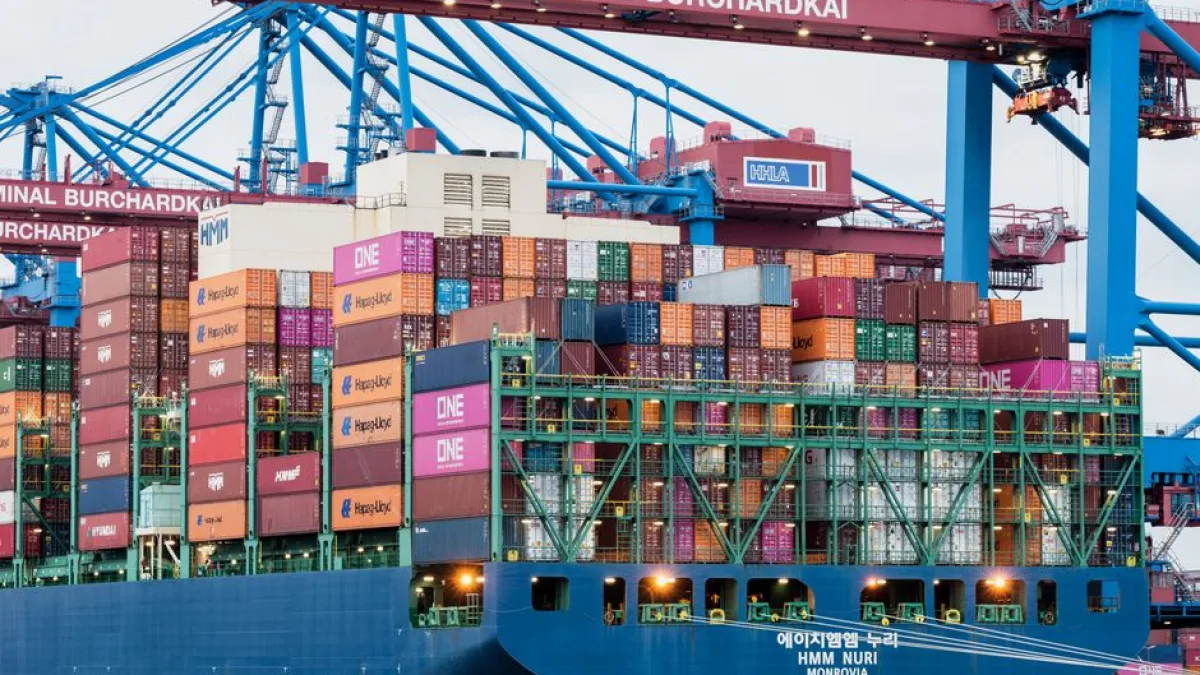
Implementing these best practices will elevate your freight forwarding business to new levels of efficiency and client satisfaction. By integrating digital tools into your daily workflow, you create a scalable model that thrives under pressure. Focus on transparency, strong partnerships, and automated financial processes to remain competitive. Start optimizing your operations today to build a future-proof logistics company that consistently delivers exceptional value.