Optimizing Freight Operations for Modern Logistics Success
Monday, August 10 2026

Modern freight forwarding requires a delicate balance of precision, technology, and relationship management to succeed in a volatile global market. As logistics providers face mounting pressure from shippers to provide real time visibility and lower operational costs, the traditional manual approach to document processing and carrier communication is no longer viable. By shifting toward cloud based software solutions, forwarders can unlock significant efficiencies, reduce error rates, and reclaim the time once lost to repetitive administrative tasks. This transformation is not just about keeping pace with digital trends but about building a resilient foundation for long term scalability and operational excellence.
Streamlining Documentation Workflows
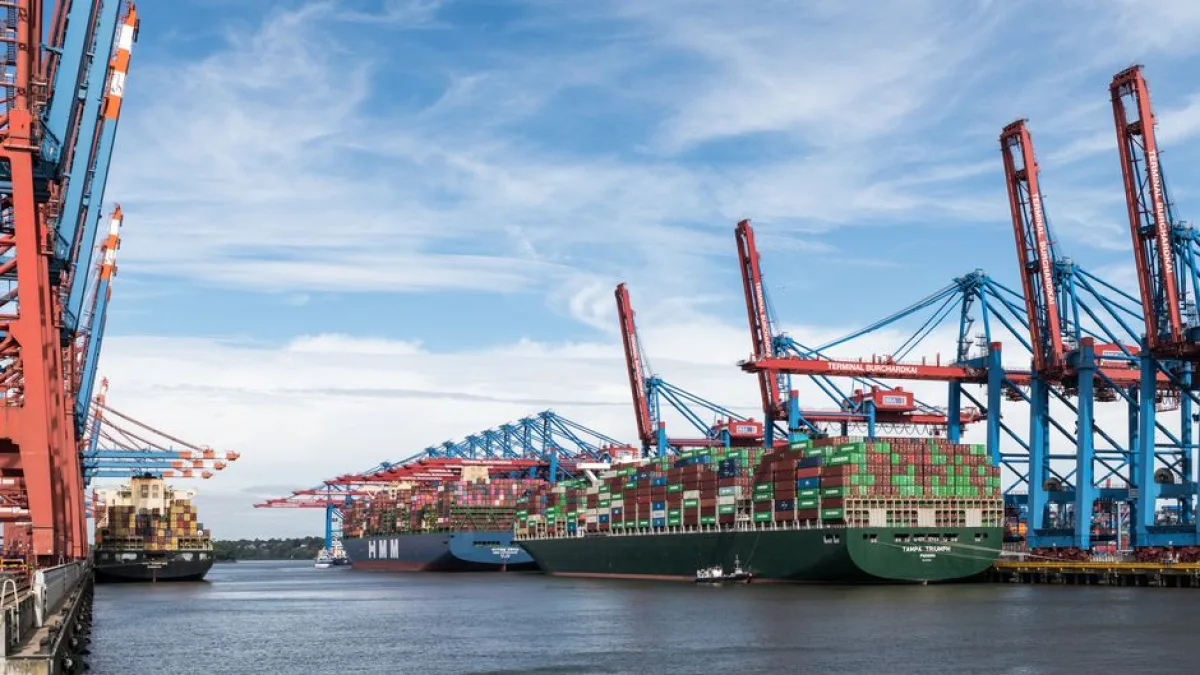
Manual data entry often serves as the primary bottleneck for logistics teams, leading to costly errors and shipment delays. Automating the ingestion of transport documents ensures that critical information flows seamlessly into your operational systems without needing constant human intervention or correction.
- Automated Data Capture: Intelligent software extracts data from bills of lading and commercial invoices, eliminating manual typing errors and drastically increasing the processing speed for every incoming freight shipment.
- Centralized Document Storage: Cloud based systems provide a single source of truth where teams access, review, and share shipping files in real time from any location around the globe.
- Standardized Validation Rules: Digital platforms apply predefined validation logic to incoming paperwork, flagging missing fields or inconsistencies before they cause major issues for customs clearance or port operations.
- Enhanced Audit Trails: Every document edit or approval cycle is logged automatically, ensuring full visibility into the lifecycle of a shipment for compliance and reporting requirements during audits.
By removing the burden of manual paperwork, your team can focus on higher value tasks like exception management and customer service. This shift transforms your operations from reactive to proactive, allowing staff to resolve issues before they escalate into expensive delivery delays. Investing in intelligent documentation workflows ultimately reduces the overall cost per shipment and strengthens the professional reputation of your firm with clients.
Enhancing Carrier Collaboration
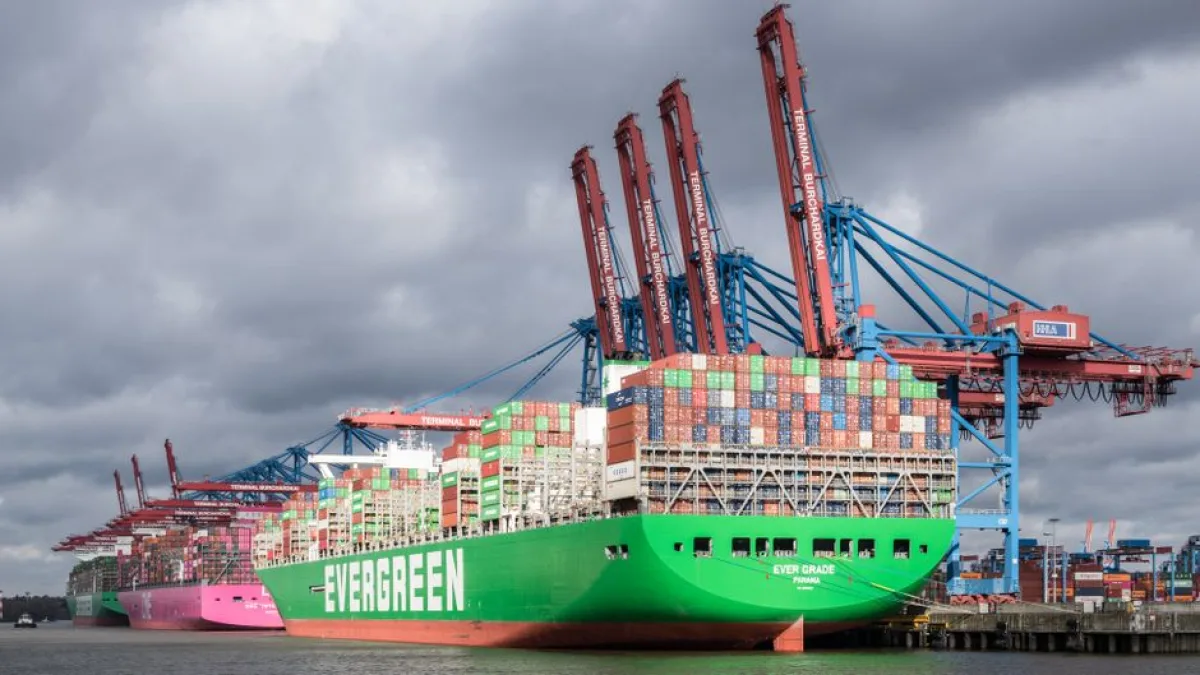
Strong partnerships with carriers form the backbone of a successful freight forwarding strategy in today's competitive environment. Improving digital connectivity with these partners allows for faster quote requests and reliable tracking updates that ultimately benefit your end customer experience.
- Digital Quote Integration: Connect directly with carrier systems to receive instant freight rates, allowing your team to compare options and secure capacity faster than competitors using emails.
- Direct EDI Connectivity: Implement electronic data interchange to exchange booking confirmations and tracking status updates automatically, which eliminates the need for manual status updates and phone calls.
- Transparent Performance Tracking: Monitor carrier performance metrics like transit times and reliability through a shared dashboard to hold partners accountable and make better routing decisions for future.
- Simplified Communication Channels: Reduce reliance on scattered email threads by utilizing platform specific messaging tools that link inquiries directly to specific shipment records for easy team reference.
Efficient communication is the cornerstone of trust between forwarders and carriers in a complex global supply chain. When information flows freely and accurately, lead times shrink and reliability scores rise significantly. By utilizing modern software to bridge the gap between internal teams and external providers, you foster a collaborative environment that minimizes friction and ensures shipments move efficiently through every international checkpoint.
Leveraging Real Time Visibility

Providing customers with clear visibility is no longer a luxury but a fundamental expectation in logistics. Modern cloud software tracks shipments throughout their entire journey, delivering status updates that manage expectations and build deep trust with your shipper clients.
- Automated Milestone Alerts: Configure the system to trigger automatic status emails for your customers whenever a shipment reaches a major transit point or undergoes a status change.
- Interactive Client Portals: Give your shippers private access to a secure web dashboard where they can track their cargo and download shipping documents on their own time.
- Proactive Exception Alerts: Advanced notification systems alert your operations team immediately when a shipment is delayed, allowing you to inform the client and find solutions much faster.
- Integrated Map Views: Utilize map based tracking modules that offer a visual representation of global cargo flows, giving clients peace of mind regarding the location of goods.
Visibility is the key to minimizing customer frustration and reducing the volume of inbound status inquiries that clog up your support team. When clients can see exactly where their freight is at any moment, your team spends less time answering basic emails. This improved transparency empowers your customers, bolsters your company brand, and allows your staff to focus on solving complex logistical challenges.
Scaling Through Cloud Infrastructure

Moving your operations to the cloud offers the flexibility needed to handle seasonal volume spikes and long term growth. Scalable software platforms adapt to your business needs, ensuring your operations remain stable whether you are handling ten or ten thousand shipments monthly.
- Global System Access: Securely manage your freight forwarding operations from any location, enabling remote work for your global team members while maintaining strict data security and compliance.
- Elastic Resource Scaling: Cloud platforms easily handle increased user traffic or data volume during peak seasons without requiring expensive hardware upgrades or complex on site infrastructure maintenance work.
- Seamless Software Updates: Receive constant feature enhancements and security patches automatically, ensuring your logistics platform always leverages the latest technology without needing manual installation or maintenance downtime.
- Data Driven Insights: Leverage built in analytics tools to track your operational performance, identify new cost saving opportunities, and prepare detailed reports for your management and stakeholders.
The scalability provided by cloud technology ensures your logistics business can grow without being held back by antiquated hardware or rigid legacy systems. You gain the ability to launch new service lines or expand into new regions quickly and efficiently. By centralizing your operations in a secure cloud environment, you create a future proof foundation that keeps your firm ahead of industry competitors.
Conclusion

Improving freight operations requires a focus on automation, connectivity, and clear data visibility to survive modern market demands. By transitioning to a robust cloud platform, you empower your team to handle larger volumes with higher accuracy and better client satisfaction. Start optimizing your core workflows today to build a faster, more resilient, and ultimately more profitable freight forwarding business for the long term future.