Optimizing Freight Operations for Modern Logistics
Saturday, August 15 2026

Freight forwarding is currently navigating a period of unprecedented transformation as global supply chains face increasing complexity and demand for transparency. Professionals in this sector must balance rising customer expectations for real time visibility with the internal need for operational efficiency and cost control. Embracing digital tools has moved from a strategic advantage to an absolute necessity for those looking to scale their services effectively. By modernizing legacy workflows and adopting cloud based software solutions, forwarders can eliminate manual bottlenecks, reduce costly administrative errors, and ultimately deliver a superior service experience to their clients in an evolving international market.
Streamlining Documentation Workflows

Managing stacks of physical paperwork is a significant drain on operational productivity. By migrating to a unified digital platform, freight forwarders can automate data entry and document storage processes while ensuring that information remains accessible to all authorized team members instantly.
- Automated Data Entry: Implement software that automatically extracts information from bills of lading or commercial invoices to reduce human typing errors and accelerate the processing of essential export documentation.
- Centralized Document Repository: Maintain all shipment related files in a secure cloud environment to ensure that your team can retrieve critical records whenever they are needed for compliance.
- Digital Approval Chains: Use automated notification systems to route documents for internal review and management approval, which helps to shorten the cycle between shipment booking and departure.
- Error Reduction Protocols: Utilize validation tools that flag missing or inconsistent data points before documents are submitted to customs authorities to avoid expensive penalties or unexpected border delays.
Adopting these streamlined documentation practices allows your team to focus their valuable time on high impact tasks instead of repetitive administrative chores. When information flows seamlessly through your digital ecosystem, the entire booking process becomes more reliable for both staff and customers. Reducing the reliance on manual paper handling creates a foundation for scalable operations that can support sudden surges in cargo volumes without additional overhead.
Enhancing Real Time Visibility
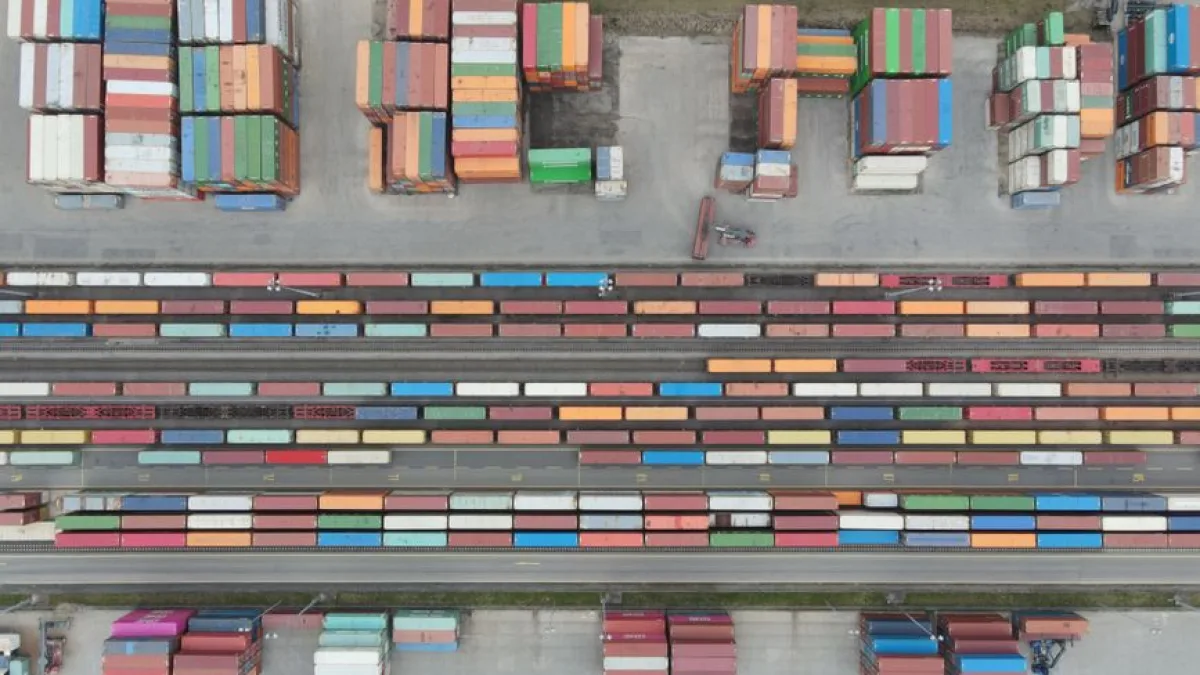
Customers today expect instant updates regarding their cargo status at every stage of the journey. Providing this level of transparency requires an integrated platform that connects with carrier data feeds to provide accurate milestones throughout the entire transport lifecycle.
- Carrier API Integration: Sync your operations software directly with major shipping lines and airlines to receive live status updates without needing to manually refresh different tracking portals constantly.
- Client Portal Access: Empower your customers by providing them with a secure portal where they can monitor shipment milestones and access reports without calling or emailing support.
- Proactive Milestone Alerts: Configure automated email or text notifications that trigger whenever a container hits a specific port or clears customs, ensuring that everyone stays informed automatically.
- Visual Dashboards: Use interactive maps and graphs to display the real time location of shipments, which helps your team quickly identify potential bottlenecks or weather related interruptions.
Delivering consistent updates builds trust and fosters long term relationships with your clients in a competitive industry. When customers can see exactly where their cargo is located, they feel more in control of their own supply chains. This transparency reduces the volume of status inquiries handled by your operations staff, allowing them to dedicate more time to resolving actual logistics problems effectively.
Optimizing Carrier Management

Maintaining strong partnerships with reliable carriers is essential for consistent service delivery. A centralized management approach enables you to compare rates, evaluate performance metrics, and select the best transport routes based on historical data rather than guesswork alone.
- Dynamic Rate Management: Store and compare carrier quotes within your software to ensure you are selecting the most cost effective options for every individual shipment request received.
- Performance Analytics Tracking: Monitor carrier punctuality and service quality using built in reporting tools so you can make informed decisions when renewing contracts or planning future shipments.
- Strategic Capacity Planning: Analyze historical volume trends to anticipate future space requirements, which allows you to negotiate better rates and secure capacity during high demand seasonal periods.
- Automated Vendor Invoicing: Simplify the reconciliation process by matching carrier invoices against expected costs to ensure that your freight expenditures stay within the defined budgetary constraints consistently.
Proactive carrier management transforms your vendor relationships from transactional exchanges into strategic partnerships. By using data to guide your selection process, you reduce the risk of service failures and optimize your margins across diverse shipping lanes. This methodical approach to carrier selection ensures that your operational decisions are always backed by verified performance metrics rather than relying on outdated or incomplete historical assumptions.
Integrating Financial Operations

Financial health is the backbone of any successful freight forwarding business. Integrating your operations software with robust accounting modules ensures that every billable event is captured accurately, which prevents revenue leakage and improves the overall cash flow of your enterprise.
- Automated Revenue Recognition: Synchronize your freight bookings with accounting modules to ensure every service performed is invoiced promptly, thereby accelerating the billing cycle and improving overall liquidity.
- Unified Expense Tracking: Record all port charges, trucking fees, and insurance costs directly against each specific job to achieve a clear view of true profit margins per shipment.
- Dynamic Currency Conversion: Handle international shipments with ease by using built in tools that calculate real time currency conversions to maintain accurate profit and loss statements.
- Advanced Financial Reporting: Generate comprehensive reports that detail your company financial status, highlighting areas where operational costs can be trimmed to improve profitability on specific trade lanes.
Integrating your financials directly into the freight workflow eliminates the silos that often cause billing delays and reporting errors. When your operations team works within the same system as your finance department, information transparency improves significantly across the organization. This synergy empowers leadership to make data driven decisions that drive sustainable growth while maintaining strict control over the bottom line performance monthly.
Conclusion

Mastering freight operations in the modern era requires a commitment to digital integration and process refinement. By streamlining documentation, improving tracking visibility, optimizing carrier relationships, and unifying financial data, freight forwarders can achieve higher efficiency levels and improved customer satisfaction. Start your transformation today by evaluating how these technological shifts can empower your team to overcome challenges and achieve long term commercial success.