Optimizing Freight Operations for Modern Logistics
Thursday, August 20 2026
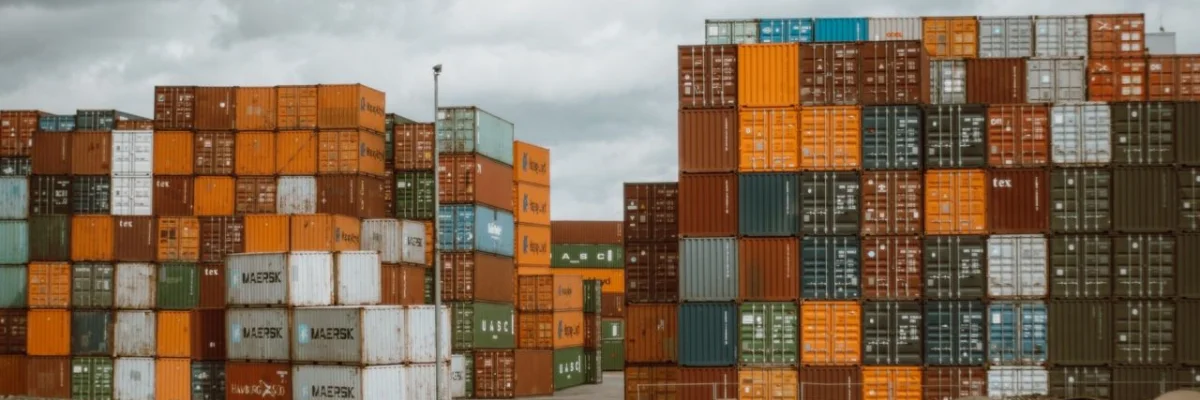
Freight forwarding is currently undergoing a massive transformation driven by digitalization and the need for greater transparency across the global supply chain. As market volatility becomes the new normal, forwarders must move beyond manual spreadsheets to survive in a competitive landscape. Leveraging cloud based technology allows firms to centralize communications, automate repetitive documentation, and provide clients with real time visibility into their shipments. By adopting these operational strategies, logistics professionals can reduce human error, slash administrative overhead, and ultimately provide a superior customer experience that scales alongside the evolving demands of international trade and complex multimodal logistics networks.
Digitizing Operational Workflows

Transitioning from paper based systems to digital platforms is no longer optional for firms aiming to maintain profitability. Digital tools empower teams to manage documentation centrally, ensuring that every stakeholder has immediate access to critical shipment information from any location.
- Centralized data management: Unified platforms allow teams to store all shipping documents in one secure cloud location, which minimizes the time spent searching for misplaced files or emails.
- Automated documentation processes: Intelligent systems can auto populate bill of lading or commercial invoice forms, significantly reducing the manual data entry burden placed on your operations staff.
- Enhanced collaboration tools: Integrated communication features ensure that freight agents, warehouse staff, and trucking partners remain aligned, preventing delays caused by miscommunication or outdated information exchange cycles.
- Reduced processing errors: Automated validation checks during the document creation phase catch discrepancies early, helping forwarders avoid costly customs penalties or hold ups at major port facilities.
- Scalable cloud infrastructure: Digital workflows support company growth by allowing your operations team to manage a higher volume of shipments without needing to expand your physical headcount.
By shifting to digital workflows, you remove the common bottlenecks that hinder productivity. The ability to access data in real time means your staff can focus on high value tasks like exception management instead of chasing paperwork. This shift does more than just improve speed; it establishes a consistent standard of quality that builds trust and reliability with your global client base.
Improving Real Time Visibility
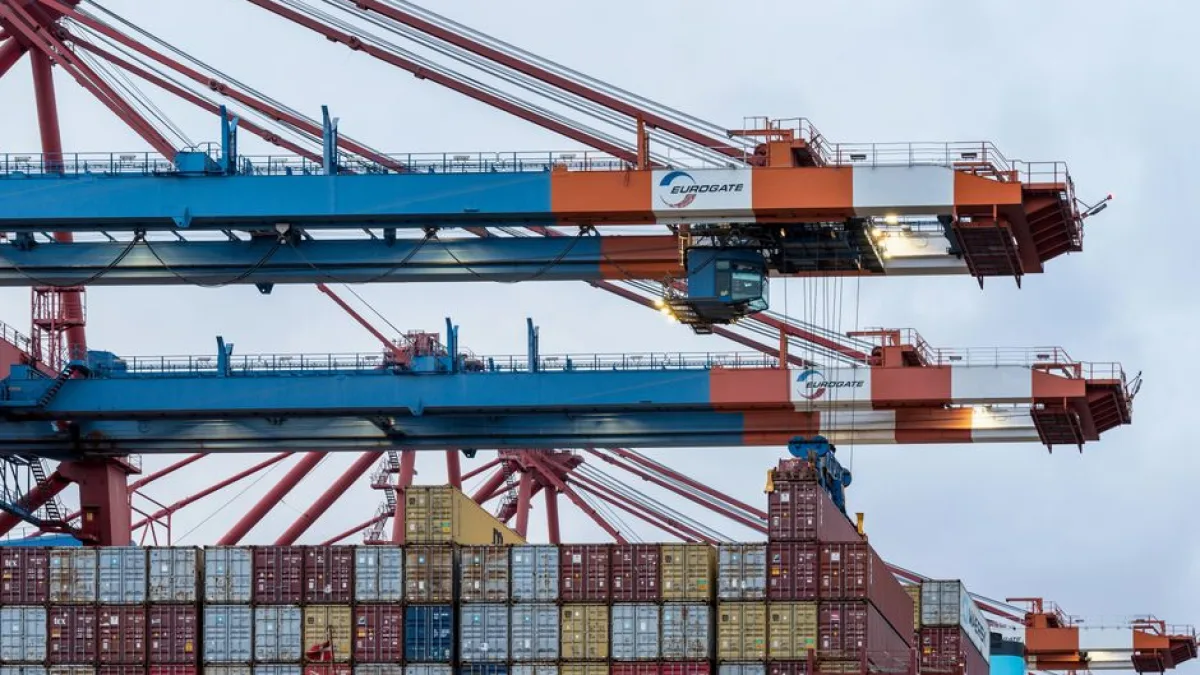
Customers today expect constant updates regarding their cargo status, making visibility a core pillar of modern service. Providing transparent, live tracking data helps clients plan their own operations more effectively while reducing the frequency of check in inquiries directed toward your team.
- Live shipment tracking: Modern software integrations allow you to pull live GPS data from carriers, providing your clients with an accurate view of their cargo progress.
- Proactive status notifications: Automated alerts keep stakeholders informed of milestones or delays, which helps to manage expectations before a customer has to ask about their shipment.
- Exception management dashboards: Visual tracking interfaces highlight at risk shipments, enabling your team to intervene immediately when unexpected disruptions occur during the transit of international freight shipments.
- Client portal access: Offering a self service portal enables customers to retrieve their own status updates and documents, freeing up your staff to handle more complex issues.
- Carrier performance analytics: Track the reliability of your partners by using data from past shipments to identify trends in delays, allowing for smarter carrier selection choices.
Visibility serves as a powerful competitive advantage in the logistics sector. When clients can monitor their shipments without constant intervention, they feel more secure and satisfied with your performance. This transparency reduces the administrative burden of manual status reporting, allowing your logistics operations team to focus on resolving genuine transit issues rather than simply acting as a middleman for tracking data.
Managing Carrier Relationships

Maintaining strong partnerships with carriers is essential for securing space and competitive rates during peak seasons. Effective management of these relationships requires clear communication, reliable data sharing, and a mutual commitment to efficiency, which helps maintain service levels during periods of market volatility.
- Performance scorecards usage: Regularly assess carrier performance based on data like transit times and damage claims to ensure that your logistics network remains efficient and highly reliable.
- Volume forecasting accuracy: Sharing accurate volume projections with your carrier partners helps them plan their equipment needs, making it easier to secure space during high demand.
- Contract compliance monitoring: Track your shipping volume against agreed contract rates to ensure you are meeting commitments while keeping your freight costs strictly within your budget goals.
- Simplified rate negotiation: Access to historical freight data allows you to negotiate from a position of strength, ensuring you obtain the best possible rates for your clients.
- Direct API connections: Linking your systems directly with carriers facilitates seamless booking and updates, removing the need for manual entry or constant reliance on third party websites.
Strong carrier relations transform your firm from a simple service provider into a vital partner. By utilizing data to maintain accountability and fair negotiations, you build long term alliances that survive market fluctuations. These relationships are the backbone of reliable logistics, ensuring that even when capacity becomes tight, your cargo receives the priority and service levels that your valued clients expect daily.
Scaling Through Smart Automation
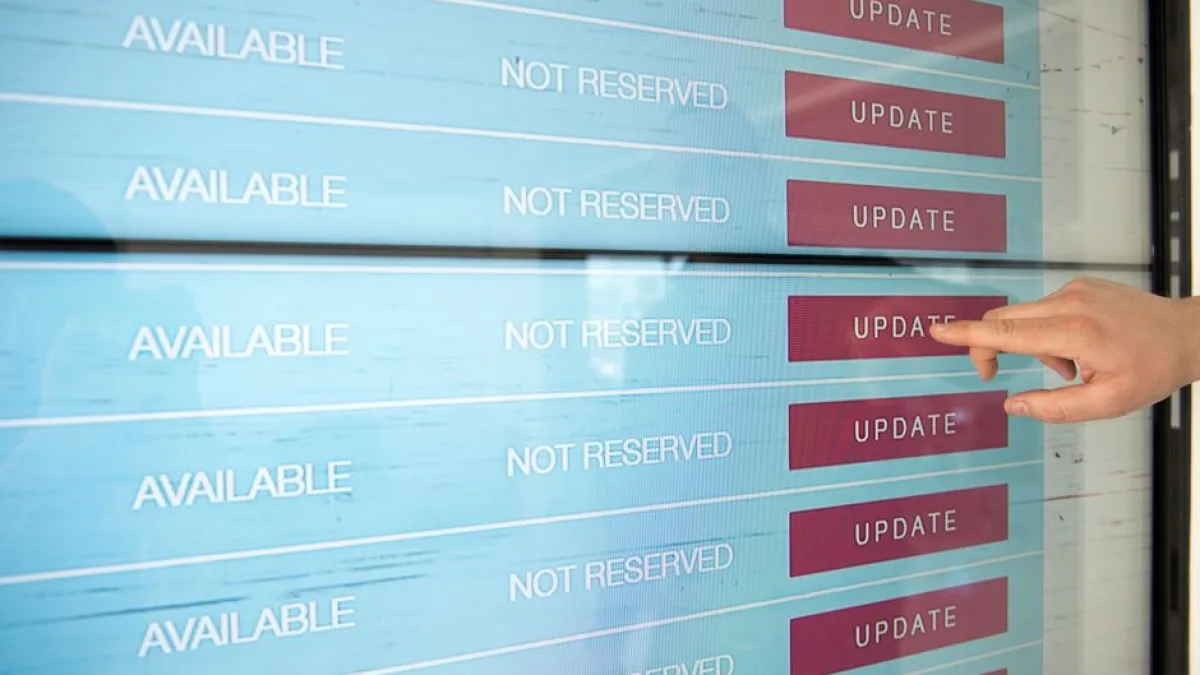
Automation is the engine that drives scaling in a complex freight environment. By leveraging smart technology, forwarders can handle increased cargo volumes without a proportional increase in costs, allowing for higher profit margins and more consistent service delivery throughout the entire supply chain.
- Routine task automation: Set up automated triggers for recurring tasks like invoice generation or email updates to free your staff from completing repetitive, time consuming manual logistics processes.
- Dynamic quoting engines: Automated tools help you generate accurate, instant quotes for clients based on current market rates and carrier data, which speeds up your sales cycle.
- Customizable reporting suites: Use automated reporting to deliver tailored insights to your clients, highlighting key metrics like cost savings and transit time improvements on a regular basis.
- Accounting software integration: Sync your freight operations directly with your finance tools to ensure billing accuracy and faster payment cycles, which improves your overall cash flow management.
- Intelligent document routing: Use smart rules to automatically route documents to the correct department or partner, significantly reducing the chances of items falling through the cracks today.
Automation does not replace your human experts; it empowers them to reach their full potential. By removing the drudgery of routine operational tasks, your team gains the time needed to develop creative solutions for complex logistical problems. This balance between technology and human expertise is the key to scaling your business effectively while maintaining the personalized service that your clients appreciate and demand.
Conclusion

Optimizing freight operations requires a commitment to adopting the right digital tools and fostering strong partnerships. By focusing on workflow automation, real time visibility, and smarter resource management, logistics professionals can overcome industry volatility and improve their service quality. Start your journey toward a more efficient operation by evaluating your current technology stack and identifying areas where modern, cloud based solutions can deliver immediate results today.