Optimizing Freight Operations for Modern Logistics Success
Monday, August 24 2026
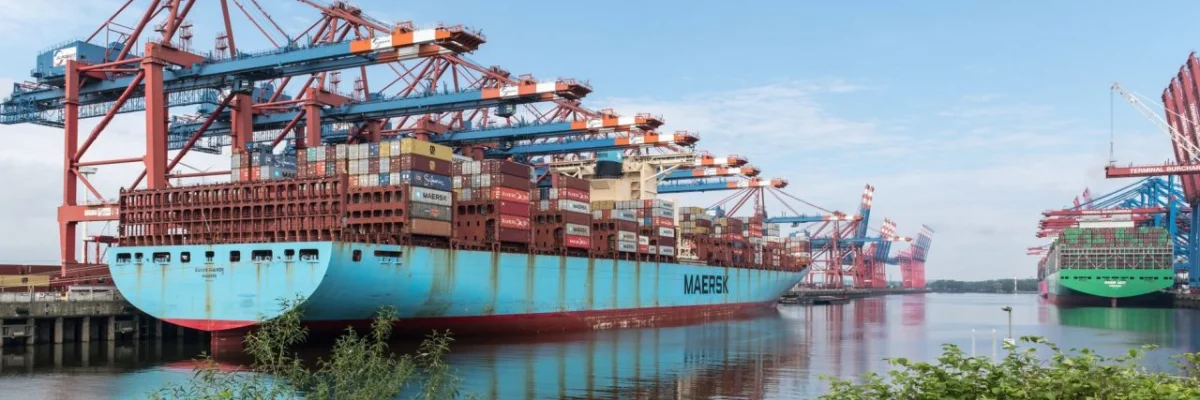
Modern freight forwarding requires a delicate balance of precision, speed, and visibility to remain competitive in an increasingly globalized market. As supply chains grow more complex, logistics providers face pressure to handle higher volumes while minimizing errors and overhead costs. Transitioning from legacy manual processes to integrated digital solutions is no longer a luxury but a fundamental necessity for sustainable growth. By leveraging data-driven insights and automated workflows, forwarders can reclaim time, reduce operational bottlenecks, and provide superior service levels that foster long-term client retention in an era where reliability serves as the primary currency for international trade success.
Streamlining Documentation Workflows

Managing global shipments generates an immense volume of documentation that can easily overwhelm standard administrative teams. Digitizing these workflows is essential for maintaining accuracy and compliance across international borders while ensuring that all parties have access to necessary files in real time.
- Automated Data Entry: Implement software that automatically extracts information from bills of lading to minimize human error and accelerate the processing speed for all incoming logistics documentation tasks.
- Centralized Cloud Storage: Keep all shipping records and commercial invoices in a unified digital repository to ensure instant retrieval and seamless collaboration between your global branch office teams.
- Digital Signature Integration: Utilize electronic signing tools to expedite approval processes for customs clearance documents, effectively reducing the turnaround time for critical paperwork during peak shipping seasons.
- Smart Document Auditing: Leverage automated validation tools that scan documents for missing details or inconsistencies, ensuring that every submission meets strict regulatory requirements before reaching customs officials.
- Version Control Systems: Manage document revisions effectively by tracking every change made to shipping manifests, which prevents outdated information from causing delays or costly penalties at ports.
Adopting a robust digital documentation strategy transforms how your team handles administrative burdens. By automating routine tasks, you empower employees to focus on high-value client interactions instead of manual data input. This shift not only improves overall process speed but also significantly lowers the probability of costly compliance issues. Investing in centralized systems creates a solid foundation for scaling your logistics operations effectively today.
Enhancing Real-time Shipment Visibility
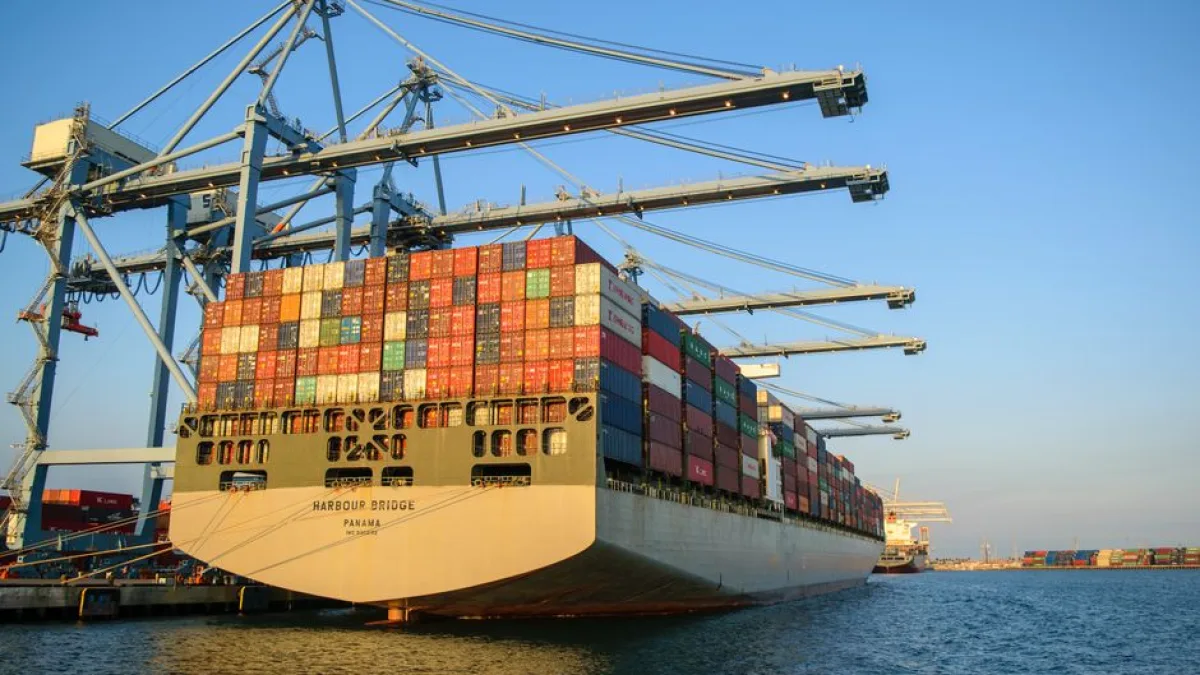
Clients expect constant updates on the location and status of their cargo throughout the entire transit process. Providing transparent tracking data is the most effective way to build trust and differentiate your forwarding services in a crowded global marketplace.
- Live Tracking Integration: Connect your platform directly with carrier APIs to provide clients with precise status updates, eliminating the need for constant status emails or phone calls.
- Automated Status Alerts: Configure proactive notification triggers that alert clients instantly about location milestones or potential delays, keeping them informed without requiring any manual intervention by staff.
- Interactive Client Portals: Offer a user-friendly dashboard where shippers can view their own shipment timelines, documents, and historical data, which fosters transparency and improves overall customer satisfaction.
- Exceptions Management Tools: Deploy advanced monitoring software that identifies potential logistics disruptions early, allowing your team to proactively solve problems before they escalate into major customer issues.
- GPS Data Analysis: Incorporate satellite tracking information to provide detailed insights into route efficiency, which helps in optimizing future shipping paths for better transit performance and cost.
Visibility serves as the backbone of modern logistics excellence. When shippers possess the ability to monitor their cargo at every point of the journey, uncertainty vanishes and satisfaction rises. This level of transparency requires reliable technology that translates raw data into meaningful updates. By prioritizing visibility, your freight forwarding business positions itself as a partner of choice for demanding global clients everywhere.
Automating Financial Reconciliation

Financial accuracy is the lifeblood of any freight forwarding business, yet manual invoicing often leads to revenue leakage and delayed payments. Automating the connection between operational tasks and accounting ensures that every service performed is billed accurately and on time.
- Dynamic Invoice Generation: Use software that instantly converts shipment data into finalized invoices, ensuring that all charges and surcharges are included correctly without requiring manual input sessions.
- Integrated Payment Processing: Enable online payment gateways within your portal to accelerate cash flow and reduce the time spent chasing outstanding invoices from international and local customers.
- Multi-currency Handling Capabilities: Utilize automated conversion tools to manage invoices across different currencies accurately, protecting your margins against sudden market fluctuations while simplifying international financial reporting for accounting.
- Real-time Cost Tracking: Monitor carrier invoices against initial quotes automatically, which identifies overcharges immediately and prevents your company from absorbing unnecessary costs during busy shipping periods regularly.
- Tax Compliance Automation: Deploy specialized tax modules that update automatically based on local jurisdictional requirements, ensuring that your financial filings remain compliant without expensive manual expert oversight.
Taking control of your finances through automation is critical for maintaining healthy profit margins. Manual billing creates room for errors, while automated systems provide the precision required to keep your cash flow moving efficiently. By linking operations directly to your accounting platform, you eliminate silos and ensure that every dollar earned is tracked. This systematic approach supports long-term stability and growth for forwarders.
Optimizing Carrier Performance Management
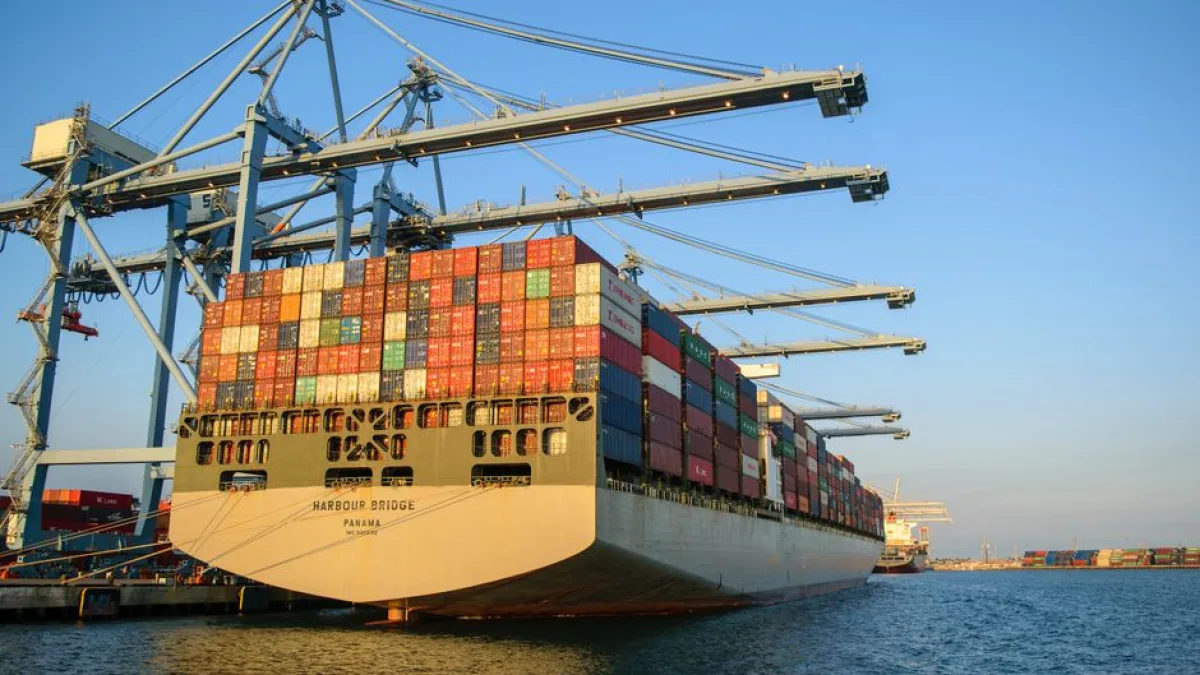
The quality of your service depends heavily on the carriers you select for specific routes and cargo types. Evaluating their performance using data instead of intuition allows you to optimize costs and provide the most reliable shipping experiences to clients.
- Vendor Performance Scoring: Rank carriers based on historical transit times, damage rates, and communication speed, enabling you to select the most reliable partners for your most sensitive shipments.
- Comparative Cost Analysis: Use historical data to compare rates from different carriers across specific trade lanes, which helps in negotiating better contracts and maximizing your bottom line.
- Automated Partner Communication: Streamline requests for quotes and booking confirmations through a standardized digital channel to ensure consistency and speed in your carrier management workflows every time.
- Service Level Tracking: Monitor whether carriers meet their promised transit commitments, providing you with documented evidence to hold partners accountable when performance standards are not met consistently.
- Flexible Routing Decisions: Leverage real-time data to pivot your carrier selection based on current port congestion levels, ensuring that your cargo continues to move despite unforeseen global disruptions.
Strategic carrier management moves beyond simple rate negotiation by focusing on value and reliability. When you track performance metrics rigorously, you can make informed decisions that benefit both your company and your end customers. Building a network of high-performing partners serves as a competitive advantage that ensures your freight operations remain resilient and efficient regardless of the challenges present in the current market.
Conclusion
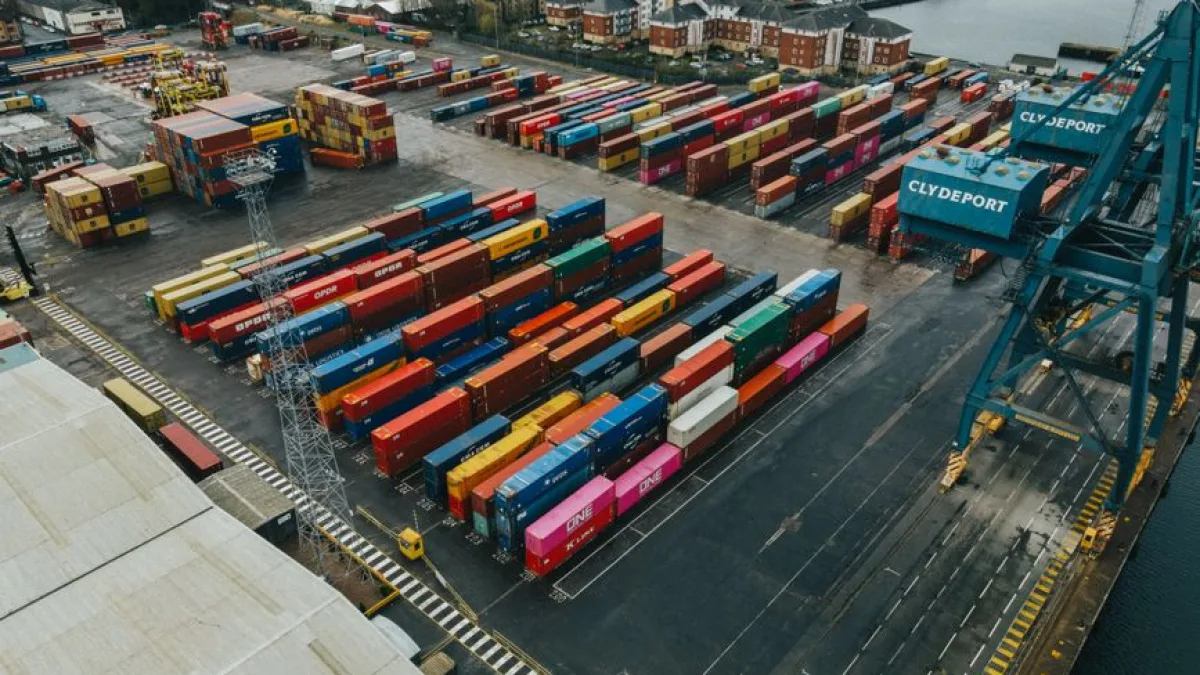
Transforming freight operations requires a commitment to digital integration, data visibility, and smart automation. By embracing these core pillars, logistics professionals can overcome traditional hurdles and reach new levels of performance. MakeCargo provides the tools necessary to unify these complex processes into one intuitive platform. Start optimizing your operations today to ensure your forwarding business remains efficient, scalable, and ready for future growth.