Optimizing Freight Operations for Modern Logistics
Tuesday, August 25 2026
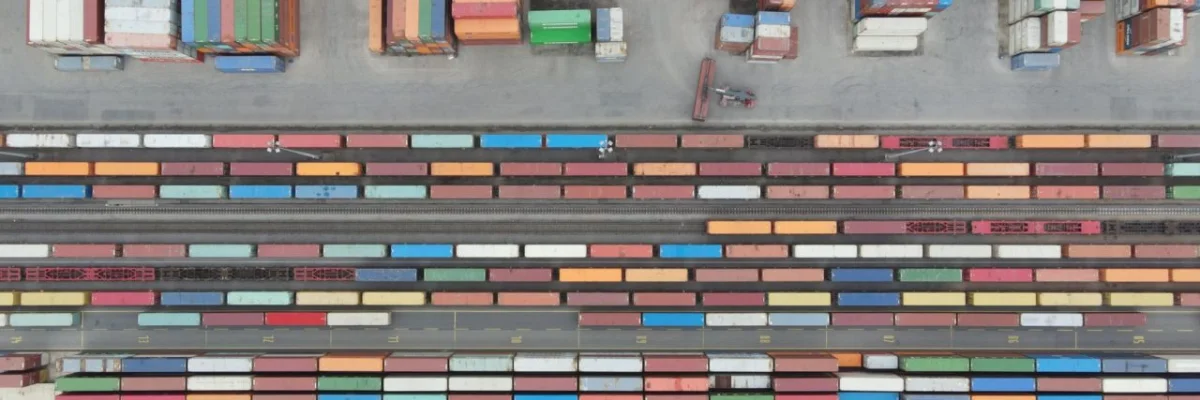
Freight forwarding is currently navigating a period of unprecedented digital transformation. As global supply chains face increasing complexity, forwarders must pivot toward scalable cloud solutions to maintain competitive edges. Manual processes that once served the industry are now becoming bottlenecks, hindering visibility and speed. By embracing automation and data driven insights, logistics providers can reclaim lost time and improve margins significantly. This evolution requires a shift in mindset, moving away from legacy software toward agile platforms that empower team members to handle exceptions, manage complex documentation, and foster stronger communication across the entire supply chain network effectively.
Streamlining Documentation Workflows

Modern documentation processing relies on accuracy and speed. Moving away from scattered emails and physical files toward a centralized cloud repository ensures that every stakeholder has instant access to shipping documents, reducing human error and preventing costly delays at critical border crossings.
- Automated Data Entry: Implement systems that automatically extract information from commercial invoices and packing lists to populate your management software, which eliminates repetitive manual typing and reduces costly typographical errors.
- Centralized Document Storage: Maintain a single source of truth for all shipping documents that allows your team to access, share, and track files in real-time from anywhere in the world.
- Standardized Filing Protocols: Create consistent naming conventions and folder structures across your organization to ensure that every shipment file is easy to find during audits or customer inquiries.
- Secure Cloud Sharing: Utilize encrypted links to share sensitive documentation with partners and clients, ensuring that confidential cargo details remain protected while maintaining a fast communication loop today.
By digitizing the paper trail, forwarders eliminate the frantic search for missing manifests or incorrect bills of lading. This transition reduces administrative overhead and enables your staff to focus on high-value tasks rather than file management. Implementing these tools creates a seamless workflow that scales as your business grows, ensuring that documentation remains a strength rather than a hindrance in your daily operations.
Enhancing Real-Time Cargo Visibility
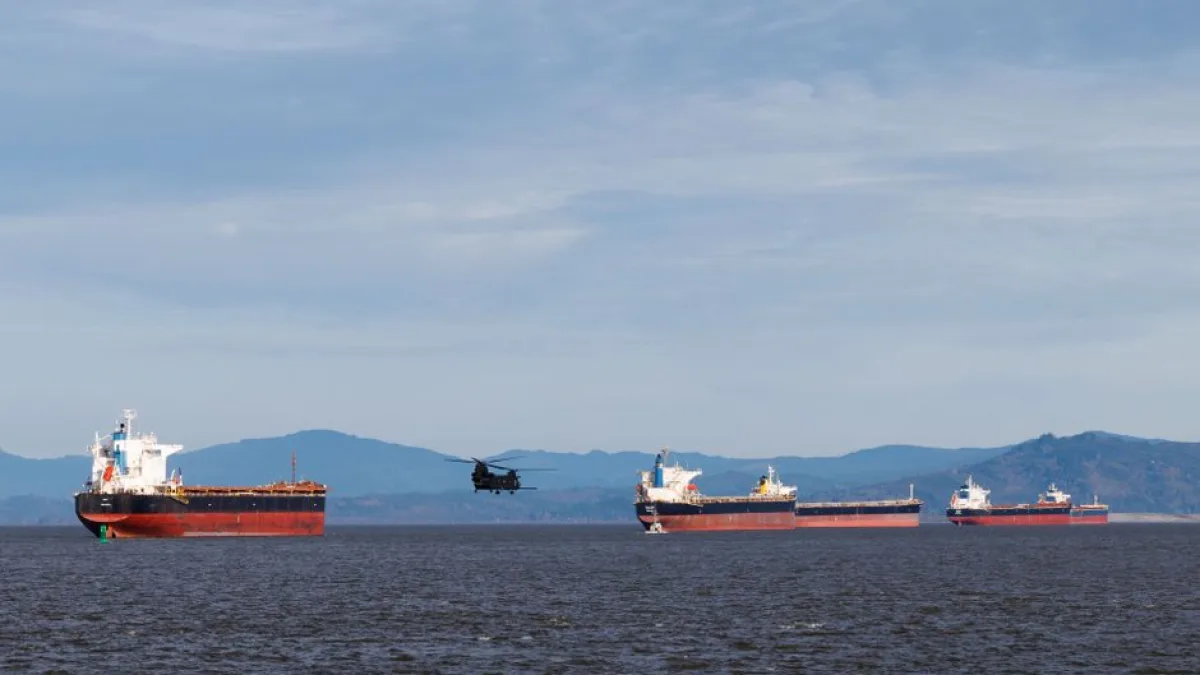
Visibility is the foundation of customer trust. Clients demand granular updates on the status of their goods, and real-time tracking tools provide the transparency necessary to keep them informed throughout the entire lifecycle of their international freight shipments.
- Live Status Updates: Integrate direct API feeds from carriers to provide your clients with automatic tracking notifications that reflect the current location and estimated arrival time of cargo.
- Exception Management Alerts: Set up automated triggers that notify your operations team immediately when a shipment deviates from its planned schedule or gets stuck at a port.
- Custom Client Portals: Offer your customers a dedicated login area where they can view shipment progress, download invoices, and check inventory status without calling or emailing you.
- Carrier Network Integration: Connect your platform directly with major shipping lines and airlines to pull data automatically, which replaces manual status updates and keeps your database synchronized.
Providing your clients with a clear window into their supply chain reduces the volume of status inquiries hitting your inbox. When customers feel empowered by data, they are more likely to return for future shipments. Enhanced visibility not only improves the overall customer experience but also allows your team to be proactive rather than reactive when handling inevitable shipping delays or disruptions.
Managing Complex Customs Compliance

Navigating the labyrinth of international trade regulations requires extreme precision. Effective operations software helps forwarders automate tariff classifications and stay updated on changing trade policies, ensuring that shipments comply with local laws and avoid expensive, time-consuming regulatory penalties.
- Automated Tariff Classification: Leverage smart lookup tools that match products to the correct Harmonized System codes, which significantly lowers the risk of penalties during the customs clearance process.
- Regulatory Compliance Updates: Subscribe to automated news feeds that provide real-time changes to international trade laws so that your team always uses the most current clearance regulations.
- Error Detection Systems: Run automated validation checks on entry declarations to catch missing data or invalid codes before a submission is sent to national customs authorities for approval.
- Audit Trail Logs: Maintain a comprehensive digital history of every declaration made, ensuring that your company is always prepared for regulatory audits or complex compliance investigations quickly.
Customs compliance is a high-stakes component of freight forwarding where mistakes can lead to significant financial loss. By using integrated software to manage these risks, you safeguard your clients from delays and protect your company from potential legal issues. This focus on accuracy allows your operations team to handle diverse commodity types with total confidence, regardless of the complexity involved in specific trade lanes.
Collaborating with Global Partners

Freight forwarding is a collaborative effort between carriers, local agents, and warehouse operators. Strong communication channels are vital for coordinating complex shipments across borders. Cloud software bridges the geographical divide, ensuring that all partners are working from the same information.
- Integrated Partner Portals: Provide your agents and carriers with access to specific shipment data, which fosters better collaboration and ensures everyone follows the same operational procedures every time.
- Automated Task Assignment: Assign specific milestones to local agents or warehouse teams through your platform, allowing you to monitor their progress on tasks like drayage or deconsolidation.
- Internal Communication Hubs: Keep all conversations related to a shipment within the task itself, preventing important details from being lost inside personal email accounts or private text messages.
- Unified Reporting Tools: Generate shared performance reports that highlight where your partners are excelling and where communication can be improved to maintain high service standards globally today.
Efficient collaboration turns a fragmented network into a cohesive, high-performing logistics machine. When all partners stay aligned through a shared platform, the likelihood of miscommunication drops dramatically. This unified approach drives consistent service levels for your clients, strengthens your relationships with local service providers, and ultimately simplifies the way you manage multi-stage supply chains across different time zones and global regions.
Conclusion

Mastering freight operations today requires a blend of advanced technology and strategic process management. By digitizing documentation, increasing visibility, ensuring strict compliance, and fostering global collaboration, your freight forwarding business can achieve new levels of efficiency and scalability. Adopt these digital habits now to stay ahead of the competition. Let MakeCargo help you transform your freight operations into a future-ready, profitable logistics powerhouse.