Optimizing Freight Operations for Modern Logistics
Thursday, August 27 2026

Freight forwarding remains the backbone of the global economy, yet traditional manual processes often create bottlenecks that hinder growth and profitability for logistics firms. As supply chain complexities rise, professionals must adapt by leveraging cloud-based platforms to enhance visibility and execution. Modern freight operations require a seamless blend of automation, real-time data analysis, and proactive communication to stay ahead of market demands. By embracing digital transformation, forwarders can shed legacy systems, reduce costly administrative errors, and focus on providing high-value service to their clients while maintaining agility in an increasingly volatile global shipping landscape.
Streamlining Documentation Workflows

Processing shipping documents manually is a tedious task that often leads to delays and data inaccuracies within your freight operations. Digitizing these workflows allows your team to move away from paper files and transition toward a centralized, cloud-based digital environment.
- Automated Data Entry: Implement software that automatically extracts information from bills of lading to eliminate repetitive manual typing tasks that frequently result in human error and costly shipment delays.
- Centralized Document Storage: Maintain a single source of truth where all shipping documents are stored securely, allowing your team to access vital information from anywhere in the world.
- Real-time Version Control: Ensure that every stakeholder is looking at the most recent version of a document, which prevents confusion and ensures consistency across the entire supply chain.
- Secure Cloud Sharing: Enable rapid document exchange between partners and carriers using encrypted cloud portals that guarantee data integrity while reducing the reliance on slow email communication channels.
Adopting digital document management transforms your daily productivity by removing physical barriers to collaboration. When your team stops hunting for misplaced files, they gain time to focus on complex problem solving and client relationship management. This shift not only improves operational speed but also enhances the overall reliability of your services, positioning your freight company as a dependable leader in a competitive digital market.
Enhancing Real-time Shipment Tracking

Visibility is the top priority for shippers today as they demand instant updates regarding the status of their cargo. Utilizing advanced tracking tools provides your clients with the transparency they need to manage their own inventories more effectively and reliably.
- Live Status Updates: Integrate GPS and EDI feeds into your dashboard to provide clients with continuous location monitoring for their shipments across ocean, air, and ground transport modes.
- Automated Milestone Alerts: Configure your system to trigger automatic notifications whenever a shipment reaches a specific transit milestone, keeping all stakeholders informed without constant manual inquiry efforts.
- Proactive Exception Handling: Detect potential delays or transit issues early through data monitoring, allowing your operations team to intervene before a small problem becomes a major client complaint.
- Integrated Carrier Portals: Consolidate data from multiple carrier platforms into one unified interface, providing a singular view of complex multi-modal shipments for easier management and better reporting.
Providing real-time tracking transforms client expectations by moving from reactive status checks to proactive communication strategies. When your customers have full visibility into their supply chain, they develop deeper trust in your firm and rely on your expertise for their future shipping needs. This technological edge serves as a powerful retention tool, helping you secure long-term contracts while reducing the manual tracking burden.
Managing Carrier Relationships Digitally
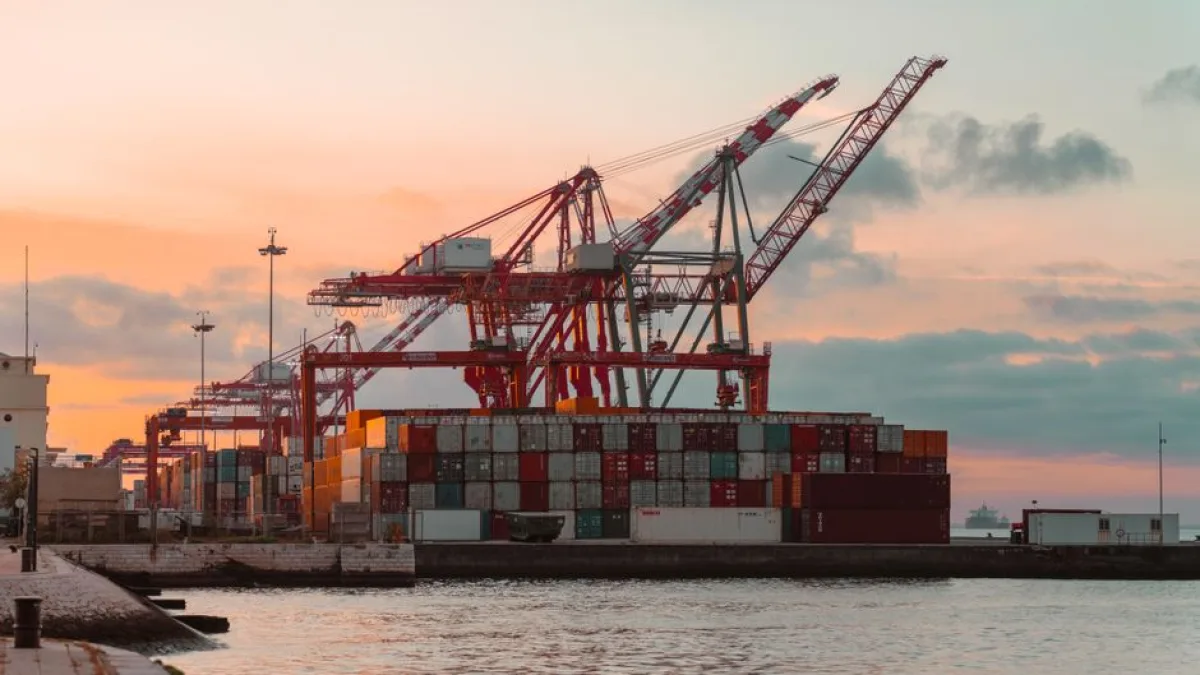
Strong partnerships with carriers are essential for securing capacity and competitive rates in a fluctuating market. Digital platforms now offer the perfect interface to manage these relationships efficiently, ensuring that you always have access to the shipping space your clients require.
- Digital Rate Management: Organize all your carrier contracts in a searchable database to find the best possible shipping rates for every individual route and service requirement quickly.
- Capacity Planning Tools: Use historical data trends to predict your space requirements, enabling you to book capacity with carriers well in advance to avoid last-minute market hikes.
- Automated Performance Tracking: Evaluate carrier reliability by monitoring their performance metrics automatically, ensuring that you only collaborate with partners who meet your specific service level requirements daily.
- Streamlined Communication Hubs: Facilitate fast negotiations and booking confirmations through integrated messaging systems that keep all communications linked directly to specific freight shipments for easy audit trails.
Building a robust digital framework for carrier management allows your team to negotiate with confidence and speed. By leveraging data-backed insights, you can foster stronger relationships with key carriers while maintaining the flexibility to pivot when market conditions shift. This strategic approach to capacity management ensures your freight operations remain resilient and profitable even when global shipping routes face unexpected and significant disruptions.
Scaling Operations Through Automation

Scaling a freight forwarding business requires robust systems that can handle increased volume without adding excessive headcount. Automation serves as the primary engine for growth, allowing your operations to expand effortlessly while maintaining the high standards your clients currently expect from you.
- Workflow Automation Rules: Design custom business rules that trigger specific actions for every shipment, ensuring that no step is missed during the lifecycle of a high-priority cargo order.
- Financial Integration Syncing: Connect your freight operations software directly to your accounting platform to automate invoicing and payment processes, reducing the time spent on manual finance reconciliations.
- Bulk Processing Capabilities: Handle high volumes of shipments simultaneously using batch processing tools that ensure your operational throughput matches the rapid pace of international trade demand increases.
- Custom Reporting Analytics: Generate detailed performance reports with just a few clicks, helping your management team identify new growth opportunities and optimize internal processes for maximum efficiency.
Implementing automation represents the most effective way to prepare your logistics business for future success. By automating mundane tasks, you free your staff to focus on strategy and growth rather than repetitive data entry. This scalable foundation ensures that your freight operations can thrive regardless of market changes, allowing your firm to handle more shipments with greater accuracy and less overhead cost annually.
Conclusion

Modernizing your freight operations is not just about keeping pace with technology, but about driving sustainable growth and reliability in a complex world. By embracing cloud tools for documentation, tracking, and carrier management, your team achieves unprecedented efficiency. Start evaluating your current software stack today to see how MakeCargo can help you optimize every shipment and scale your business with confidence.