Optimizing Freight Operations for Modern Logistics
Friday, September 4 2026
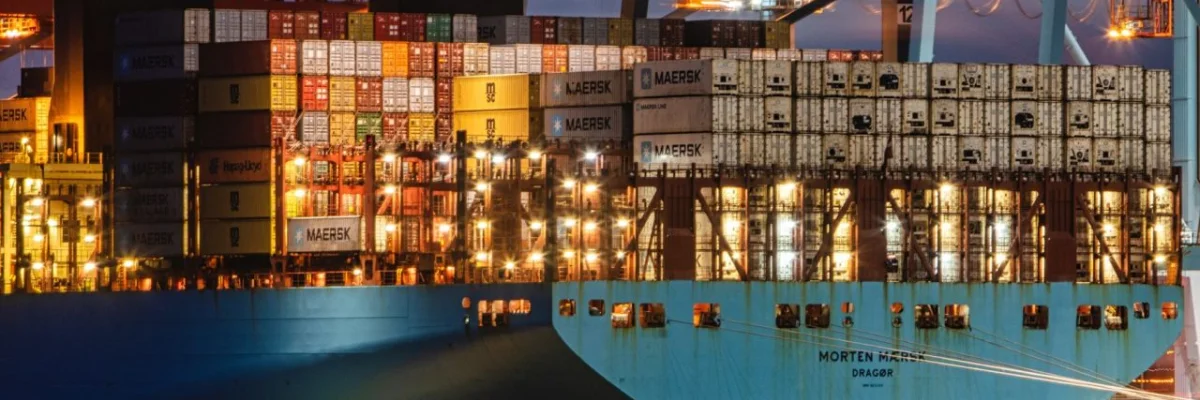
Freight forwarding is currently navigating a period of unprecedented digital transformation where efficiency defines market survival. As global supply chains grow more complex, manual processes and fragmented communication channels often lead to costly delays and operational bottlenecks. Professionals must now leverage cloud-based platforms to gain real-time visibility and ensure seamless coordination between carriers, shippers, and customs authorities. By integrating intelligent software into daily workflows, forwarders can reclaim valuable time, reduce human error, and provide clients with the transparency they demand in a competitive environment. Mastering these operational shifts is the key to maintaining long-term profitability and scaling your logistics enterprise effectively.
Streamlining Documentation Workflows

Effective document management is the backbone of successful freight operations. By automating the creation and storage of bills of lading and invoices, teams can eliminate the heavy burden of manual data entry while simultaneously increasing accuracy and speed during transit.
- Automated Data Entry: Implement software solutions that automatically extract key information from shipping documents to populate internal databases, significantly reducing the time spent on repetitive and error-prone administrative tasks.
- Centralized Cloud Storage: Maintain a single source of truth by hosting all shipment documentation in a secure cloud environment accessible to authorized personnel from any global location.
- Standardized Document Templates: Utilize pre-built templates for common shipping forms to ensure consistency across your documentation, which helps in avoiding costly compliance errors during international customs clearance procedures.
- Digital Approval Chains: Create automated workflows for document review and approval, ensuring that managers can sign off on critical shipping files instantly without physical presence in the office.
Transitioning to digital document systems allows your team to focus on high-value logistics challenges rather than managing stacks of paper files. As you reduce the overhead associated with manual processing, your operational agility increases significantly. This shift not only improves internal productivity but also enhances the overall service experience for your customers who depend on quick, accurate paperwork for their international shipments.
Improving Carrier Communication

Maintaining constant contact with carriers is vital for tracking freight and resolving unexpected delays. Modern digital platforms bridge the communication gap, providing instant connectivity that prevents information silos and keeps all stakeholders informed throughout the entire logistics lifecycle.
- Real Time Messaging: Utilize integrated chat tools to facilitate rapid communication with carrier partners, ensuring that urgent updates or changes in schedule are handled without any communication lag.
- Automated Status Alerts: Configure your software to send automatic status updates to clients, keeping them informed about their shipment progress without requiring constant manual inquiries from your staff.
- Unified Carrier Portals: Provide carriers with a dedicated portal where they can upload tracking data and confirm arrivals, centralizing information and reducing the volume of incoming email requests.
- Collaborative Dispute Resolution: Use a shared platform to log and resolve operational disputes with carriers, creating a transparent audit trail that helps in identifying recurring issues and patterns.
Effective communication strategies prevent small problems from escalating into major operational delays. By digitizing your interaction with carriers, you create a more resilient logistics chain that can withstand unexpected disruptions. These tools ensure that every stakeholder stays on the same page, resulting in improved trust, fewer misunderstandings, and a more streamlined coordination effort that keeps cargo moving efficiently across global borders.
Enhancing Shipment Visibility
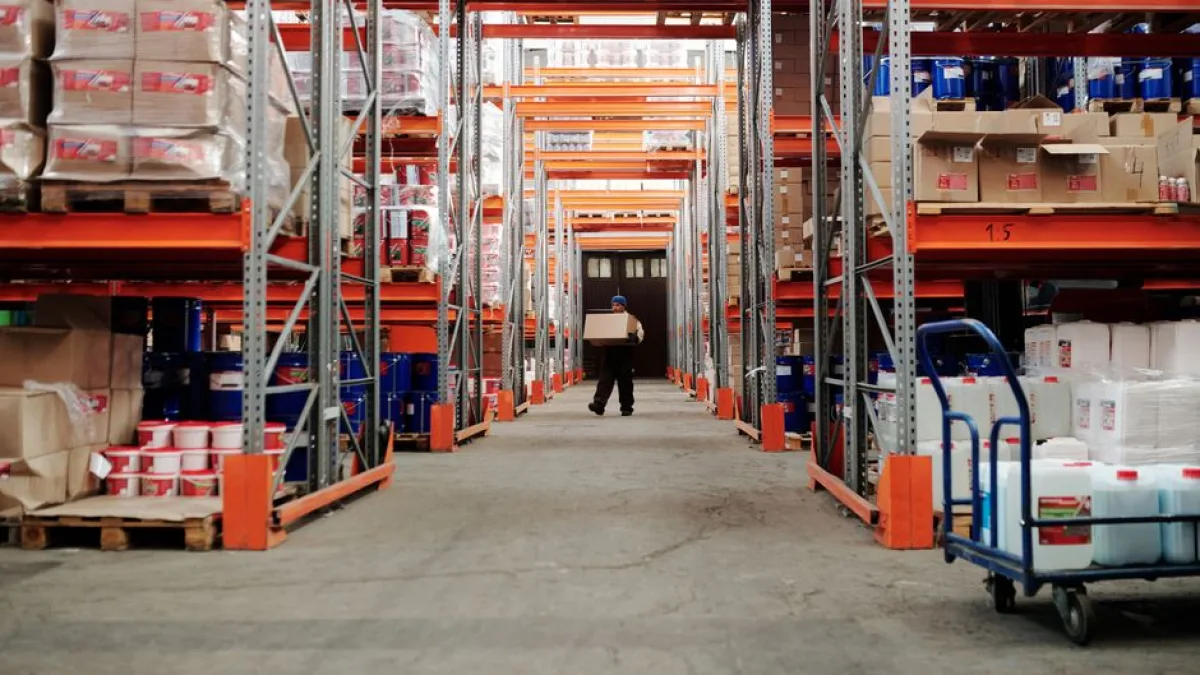
True visibility requires more than just a tracking number. It demands a holistic view of the entire shipping process, allowing forwarders to monitor cargo movement in real time and anticipate potential disruptions before they impact the final delivery schedule.
- Live Tracking Dashboards: Monitor all active shipments through a centralized digital map that updates in real time, providing immediate insights into the current location of your global cargo.
- Proactive Delay Alerts: Set up smart notifications that trigger alerts when a shipment deviates from its planned schedule, allowing you to inform your clients before complaints arise.
- Exception Management Tools: Use specialized software modules to isolate shipments that require manual intervention, helping your team focus their efforts on high-priority items that face immediate risks.
- Data Driven Forecasting: Analyze historical shipment data to identify potential bottlenecks in specific lanes or during peak seasons, allowing for smarter planning and more proactive route adjustments.
Gaining full transparency over your shipments is the ultimate goal of modern freight operations. When you have access to accurate data, your decision-making becomes faster and more reliable. This level of clarity helps forwarders manage client expectations with precision and builds lasting partnerships. By focusing on visibility, you transform your logistics operations from a reactive department into a proactive, strategic business driver.
Scaling Through Software Integration

The integration of different software tools into one cohesive ecosystem is essential for modern freight forwarders. By connecting your freight platform with accounting, CRM, and customs systems, you eliminate data redundancy and foster a truly interconnected operational environment.
- Seamless System API: Integrate your logistics software with third-party tools via API connections to ensure that data flows smoothly between your accounting software and your shipment operations.
- Unified Client Dashboards: Provide your customers with a custom portal where they can view shipments, invoices, and performance reports in one place to enhance total service satisfaction.
- Automated Reporting Tools: Generate comprehensive operational reports with a single click, allowing leadership teams to assess business performance and identify areas that need immediate strategic improvement or attention.
- Security and Compliance: Utilize cloud platforms that offer robust data encryption and compliance features to protect sensitive client information while meeting international data privacy and security standards.
Integrating your digital tools is the final step in creating a scalable freight forwarding operation. A unified platform reduces the complexity of your daily routine and provides the structure needed for future growth. As you refine these processes, your ability to handle higher volumes of cargo increases without requiring a proportional increase in administrative staff, ensuring long-term profitability and sustained operational excellence.
Conclusion
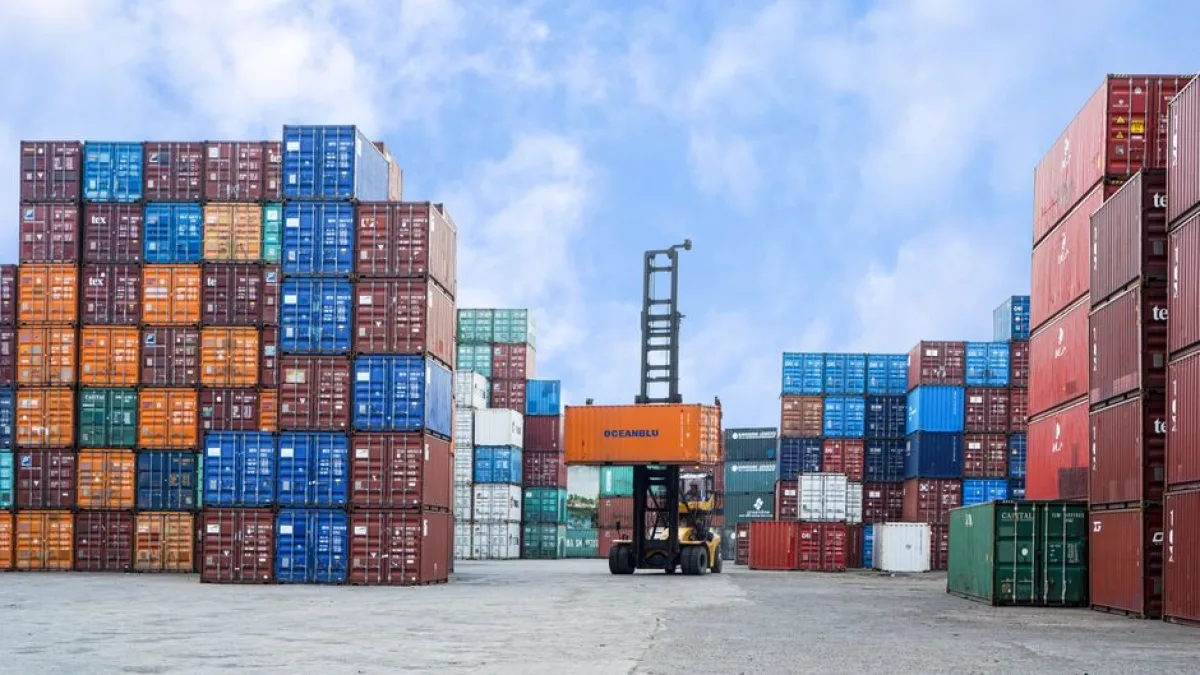
Achieving excellence in freight operations requires a commitment to digital adoption and process optimization. By streamlining documentation, improving communication, enhancing visibility, and integrating core systems, forwarders can unlock significant efficiency gains. Start evaluating your current software stack today to identify where technology can bridge your operational gaps. Implementing these strategies will position your logistics business for growth and resilience in a rapidly changing global landscape.