Optimizing Freight Operations for Modern Logistics
Sunday, September 13 2026
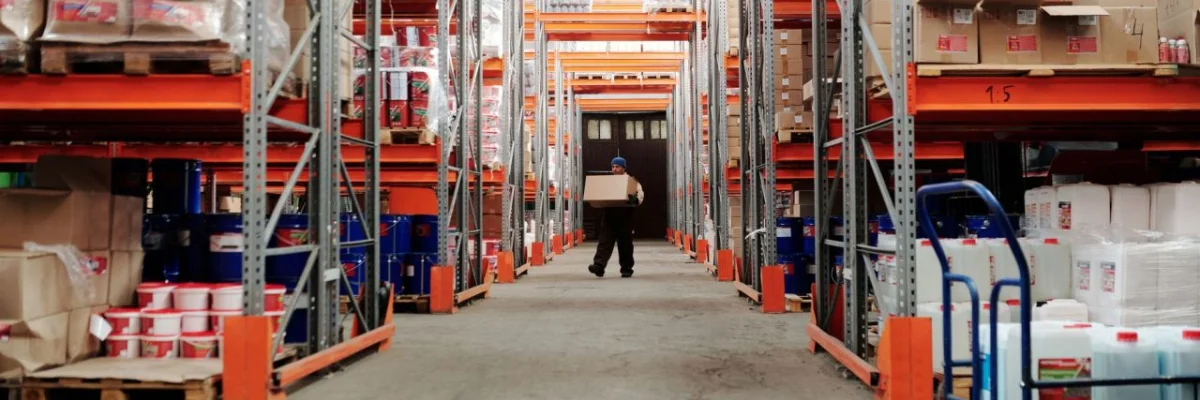
Freight forwarding is undergoing a massive transformation driven by digital integration and the urgent need for operational efficiency. Professionals in this sector must manage complex global supply chains while ensuring transparency for clients. Modern cloud-based platforms offer the necessary tools to automate manual workflows, reduce errors, and handle increasing shipment volumes with greater agility. By leveraging data-driven insights and real-time tracking, freight forwarders can transition from reactive problem-solving to proactive logistical management. This shift not only improves service reliability but also secures a competitive edge in an industry where speed and visibility define long-term success and partner loyalty.
Digitizing Operational Workflows

The transition toward digital documentation and automated workflows is the foundation of modern freight management. By removing paper-based processes, teams can focus on strategic tasks rather than administrative overhead while ensuring that critical data remains accurate and accessible across various global teams.
- Automated Data Entry: Cloud platforms utilize advanced scanning tools to extract information from invoices and shipping documents, which significantly reduces the time spent on repetitive manual input tasks daily.
- Centralized Communication Hubs: Integrated messaging systems allow teams to collaborate within the shipping file, ensuring that all stakeholders have access to the latest updates without constant email chains.
- Standardized Document Templates: Pre-built templates for bills of lading and customs declarations help maintain regulatory compliance while reducing the risk of errors that cause costly shipping delays.
- Real-time Workflow Tracking: Automated status updates provide management with clear visibility into current bottlenecks, allowing for quick adjustments that prevent operational stall points during high-volume shipping periods.
Adopting digital workflows minimizes human error and accelerates the pace of document processing significantly. When information flows seamlessly between departments, forwarding teams avoid the common traps of information silos. This operational clarity ensures that shipments move through customs and transit points with minimal friction, ultimately creating a more reliable service experience that differentiates your firm from traditional competitors in a crowded marketplace.
Enhancing Supply Chain Visibility
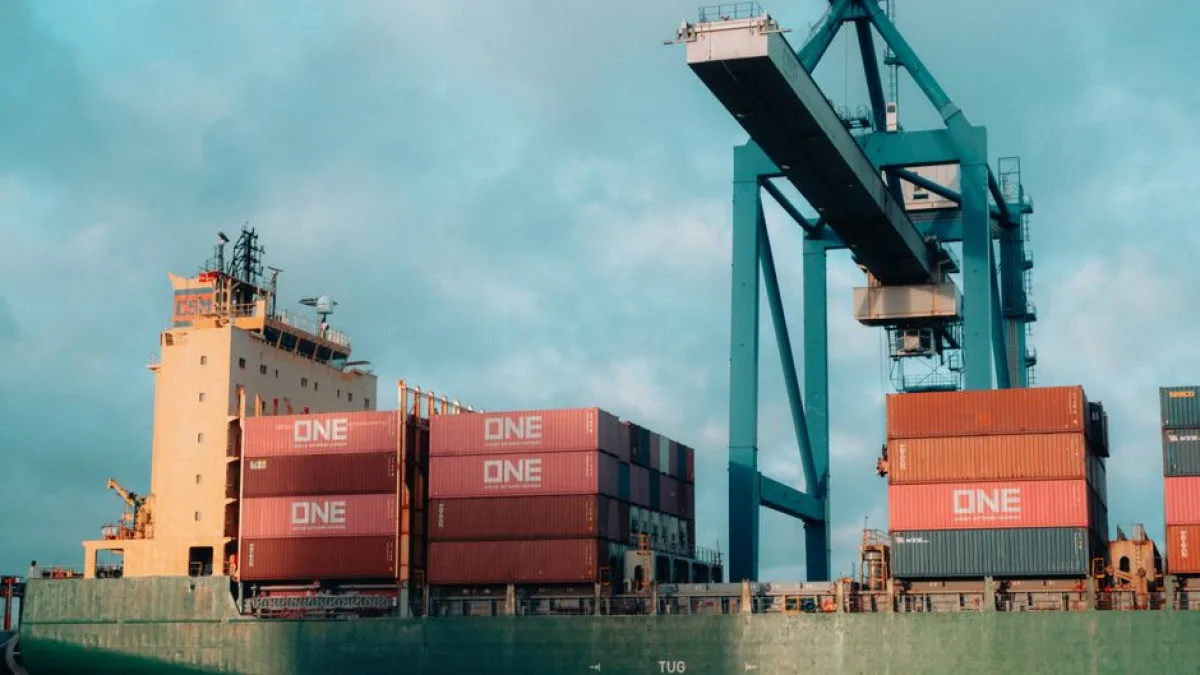
Real-time visibility has become a basic requirement for clients who demand constant updates on their high-value cargo. Forwarders must utilize tracking technology to provide accurate information about container locations and transit statuses throughout the entire door to door journey.
- Live Tracking Integration: Connecting software directly to carrier APIs allows for instantaneous status updates on vessel locations, providing clients with peace of mind throughout the entire transit process.
- Automated Client Notifications: Scheduled emails and alerts keep customers informed about milestone events, reducing the volume of inbound inquiries and freeing up time for your support team.
- Exception Management Alerts: Sophisticated monitoring systems identify potential delays or route deviations immediately, enabling staff to implement contingency plans before the client even realizes a problem exists.
- Detailed Reporting Analytics: Generating comprehensive reports regarding carrier performance helps forwarders choose the most reliable partners based on actual transit history rather than simple promises of fast delivery.
Providing granular visibility into the shipping lifecycle is now a standard expectation that clients use to evaluate their logistics partners. By offering an interactive portal for cargo status, you build trust and reduce the burden of frequent manual status checks. This level of transparency transforms your business into a true strategic partner capable of managing complex logistics with professional precision and efficiency.
Streamlining Customs Compliance

Navigating the complex landscape of international customs regulations requires precision and deep knowledge of shifting legal requirements. Freight forwarders must ensure that every shipment adheres to local import and export laws to prevent massive fines or cargo seizures.
- Compliance Rule Databases: Software systems integrated with global customs databases provide updated tariff classifications and duty requirements, helping you avoid mistakes that lead to significant financial penalties daily.
- Document Validation Checks: Automated verification tools scan shipping documents for missing signatures or incorrect HS codes, ensuring that paperwork is flawless before submission to government authorities worldwide.
- Audit Trail Retention: Maintaining a secure and searchable history of all customs documentation is vital for demonstrating compliance during government audits or unexpected internal reviews of operations.
- Automated Tax Calculations: Accurate computation of duties and taxes prevents underpayment or overpayment, protecting your clients from unexpected costs and ensuring smooth processing through all border control points.
Mastering compliance is not just about avoiding penalties; it is about maintaining your reputation as a reliable and law-abiding logistics partner. By using automated tools to manage the intricate details of international trade laws, you reduce the stress on your team. This focus on accuracy prevents costly shipping disruptions, ensuring that your clients enjoy seamless global trade operations regardless of the destination.
Leveraging Data for Growth

Data is the most valuable asset for any growing freight forwarding business looking to optimize costs. Analyzing historical shipment patterns allows forwarders to identify trends, negotiate better rates with carriers, and allocate resources where they generate the most revenue potential.
- Profitability Trend Analysis: Reviewing net margins on specific trade lanes helps you identify which routes are most profitable and which might require a change in carrier strategy.
- Carrier Performance Evaluation: Collecting data on transit times and damage claims allows you to compare different carriers, ensuring you partner with companies that meet your standards.
- Scalable Resource Planning: Insightful reports regarding seasonal volume fluctuations help you hire or reallocate staff before peak seasons, preventing burnout and ensuring high service levels are maintained.
- Dynamic Pricing Models: Access to historical freight rate data allows you to offer competitive quotes that reflect current market conditions while protecting your margins against sudden volatility.
Informed decision making is the primary driver of sustainable growth in the freight sector. When you shift your strategy based on hard numbers rather than intuition, you eliminate wasteful spending and optimize your service portfolio for success. These analytics serve as a foundation for scaling your business, as they provide a clear map for future expansion and improved profitability across all operations.
Conclusion

Successful freight operations rely on the intelligent combination of modern technology, strict compliance, and data-driven strategy. By embracing cloud solutions like MakeCargo, forwarders can streamline their daily tasks, offer superior visibility, and make better business decisions. Implementing these changes will help your team focus on high-value client interactions rather than manual data entry. Start optimizing your freight workflow today to build a resilient logistics future.