Optimizing Freight Operations for Modern Logistics
Friday, September 18 2026
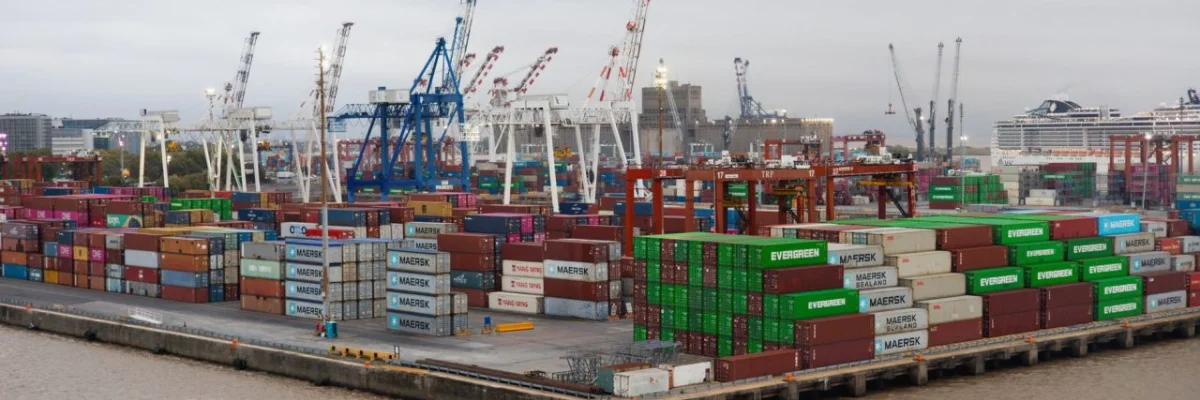
Freight forwarding is currently navigating a period of unprecedented digital transformation that requires firms to move beyond legacy spreadsheets and manual tracking methods. For modern logistics providers, success depends on the ability to centralize data, automate repetitive tasks, and provide real-time visibility to clients who expect instant updates. As global supply chains become increasingly complex, the adoption of cloud-based platforms is no longer a luxury but a fundamental necessity for staying competitive. By streamlining internal workflows and fostering better collaboration across borders, freight forwarders can significantly reduce overhead costs while simultaneously elevating the quality of service provided to their global customers.
Streamlining Documentation Workflows

Manual document processing often creates bottlenecks that delay shipments and lead to human error. Transitioning to a digital-first approach ensures that all relevant shipping papers are centralized, searchable, and accessible to authorized personnel across multiple global time zones immediately.
- Automated Data Entry: Implement smart scanning technology to automatically extract critical information from bills of lading or commercial invoices, which reduces manual typing errors and accelerates the billing cycle.
- Centralized Document Repository: Maintain a single source of truth where all shipping documents are stored securely in the cloud, allowing team members to retrieve files in seconds instead of hours.
- Standardized Filing Systems: Develop consistent folder structures and naming conventions across the entire organization to help staff locate client files quickly and maintain compliance with international shipping regulations.
- Automated Compliance Checks: Use software triggers to automatically audit documentation for common errors before submission, preventing costly customs delays and ensuring that regulatory requirements are met every time.
- Enhanced Client Portals: Provide your customers with a secure web portal where they can view, download, and sign their shipping documentation without needing to send frequent email inquiries.
By shifting from paper-heavy processes to integrated digital solutions, freight forwarders gain a significant speed advantage. Teams spend less time managing files and more time solving high-value logistical problems for their clients. This transformation reduces the risk of misplaced documents and creates a robust audit trail that satisfies international trade requirements, ultimately positioning your logistics business as a reliable partner in a fast-paced global trade environment.
Real-Time Cargo Visibility
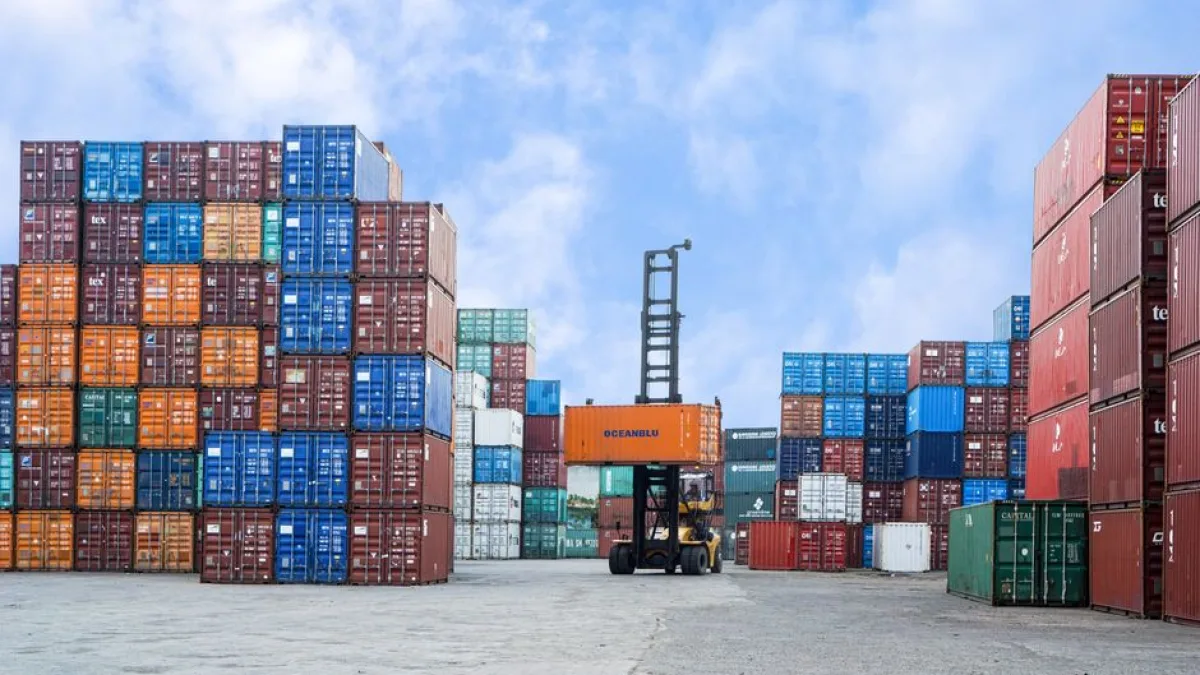
Customers today demand full transparency regarding their shipments. Providing real-time updates through an automated tracking system removes the uncertainty that often plagues international freight and helps forwarders build lasting trust with clients through proactive communication and constant data accessibility.
- Live Tracking Integration: Connect your operations platform directly to carrier APIs to receive automatic status updates, which eliminates the need to manually refresh carrier websites for shipment status.
- Proactive Milestone Alerts: Configure your software to send automatic notifications to clients whenever a cargo milestone is reached, significantly reducing the volume of incoming status check emails.
- Visual Mapping Tools: Utilize integrated dashboard maps that display the exact location of active shipments, giving operations teams a clear overview of cargo movement across the entire network.
- Exception Management Alerts: Receive instant notifications when a shipment experiences a delay or exception, allowing your team to inform the client immediately and offer viable alternative solutions quickly.
- Shared Client Visibility: Offer customized dashboards to your customers where they can monitor their specific cargo movements without needing to contact your operations team for constant status updates.
Giving clients direct access to tracking data reduces administrative friction and enhances the overall customer experience. When operations staff no longer need to spend their day responding to basic status inquiries, they can focus on managing complex routing challenges and optimizing load paths. This level of transparency makes your services indispensable, helping you retain clients and grow your brand reputation within the industry.
Financial Efficiency in Logistics

Managing freight finances involves juggling multiple currencies, carrier invoices, and client billing cycles. Integrating financial management directly into your freight software prevents revenue leakage and ensures that all charges are accurately captured, validated, and billed without any manual discrepancies occurring.
- Automated Invoice Auditing: Compare carrier invoices against initial quotes automatically to identify pricing discrepancies, ensuring that your company never overpays for freight services or misses out on cost savings.
- Dynamic Currency Conversion: Handle multi-currency transactions with built-in conversion tools that automatically apply current exchange rates, preventing potential losses due to market fluctuations during the invoicing process.
- Streamlined Billing Cycles: Generate client invoices instantly based on finalized shipment data, which improves cash flow and reduces the amount of time spent on accounts receivable and monthly collections.
- Integrated Payment Portals: Enable digital payment options directly through client portals to speed up payment times and provide a seamless financial experience for all parties involved in shipping.
- Detailed Cost Analytics: Track profitability on a per-shipment basis to identify which routes or carriers offer the best margins, enabling more informed decision-making for future logistics and sales strategies.
Optimizing the financial side of your operations is key to scaling a sustainable business. By automating the reconciliation process, you eliminate the tedious manual work that often leads to errors and disputes. This clarity allows for better financial planning and helps leadership teams identify growth opportunities. When your accounting processes are automated, your business can grow volume without a proportional increase in administrative staff.
Building Scalable Operations

Scaling a freight forwarding company requires infrastructure that grows alongside your volume. Without a scalable software foundation, the operational burden of adding new shipments leads to diminishing returns and increased burnout among your most experienced logistics staff and support teams.
- Modular Software Features: Select a platform that allows you to add features or integrations as your needs grow, ensuring that your tools always match your current business requirements.
- Seamless API Connectivity: Utilize platforms that connect with external accounting, CRM, and carrier systems to create a unified ecosystem that keeps all your data synchronized across different departments.
- Collaborative Team Dashboards: Use shared workspaces that show real-time progress on tasks, allowing team members to pick up work where others left off without losing any critical context.
- Defined Operational Workflows: Codify your best practices within the software to ensure that every shipment follows the same high-quality process, regardless of which team member handles the specific file.
- Cloud-Based Accessibility: Leverage the power of the cloud to enable remote work or branch coordination, ensuring your operations can continue smoothly from any location around the world today.
Future-proofing your operations means investing in technology that adapts to changing market conditions. By establishing consistent, repeatable workflows that live inside your software, you remove the reliance on tribal knowledge held by individual employees. This consistency ensures that your service quality remains high even as your volume increases. Focus on long-term efficiency by building a digital foundation that supports your vision for growth.
Conclusion

Mastering freight operations requires a combination of smart technology, clear processes, and a commitment to transparency. By automating documentation, monitoring cargo in real time, and tightening financial oversight, freight forwarders can build a robust platform for sustainable success. Start exploring modern cloud-based solutions today to streamline your workflows, reduce unnecessary overhead, and provide superior service levels that set your logistics firm apart from competitors.