Optimizing Freight Operations for Modern Logistics
Tuesday, September 22 2026
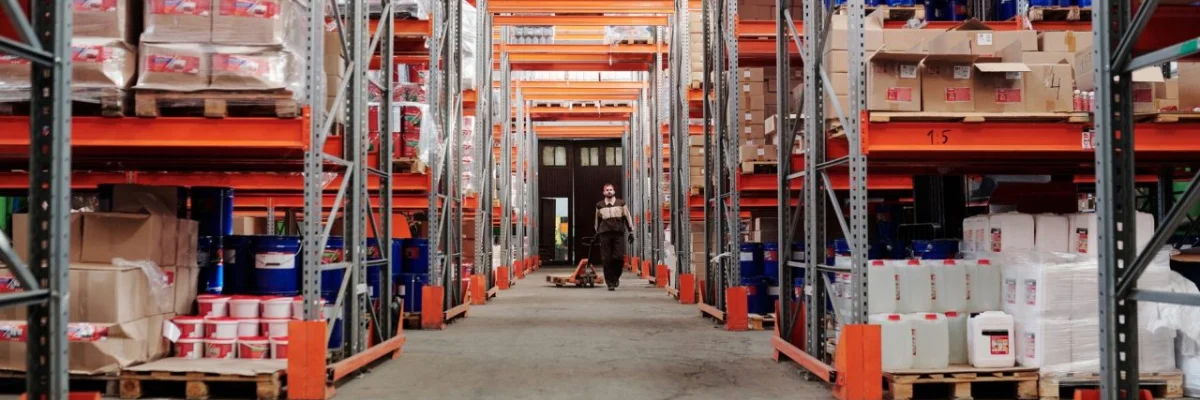
Modern freight forwarding requires a delicate balance of speed, accuracy, and regulatory compliance in an increasingly volatile global market. As logistics providers face rising costs and complex supply chain demands, the transition from manual, legacy processes to integrated digital solutions becomes essential. By leveraging cloud-based platforms, forwarders can gain real-time visibility into shipments while reducing administrative bottlenecks that hamper scalability. This article explores actionable strategies to refine your operational workflow, improve vendor collaboration, and ultimately deliver a superior customer experience that distinguishes your agency from the competition in this fast-paced and hyper-competitive global trade landscape.
Streamlining Document Management

Efficient document handling serves as the backbone of successful freight operations. By transitioning to automated digital filing systems, forwarders can eliminate the risks associated with paper-based archives, ensuring that every bill of lading and commercial invoice remains accessible, searchable, and secure at all times.
- Automated Data Entry: Implement intelligent software tools that extract information from shipping documents automatically to reduce human errors and significantly accelerate the speed of your customs clearance processes daily.
- Centralized Cloud Storage: Maintain a single source of truth for all project documentation, allowing team members across different global regions to access and update critical files in real-time.
- Standardized Filing Templates: Create uniform templates for standard industry documents to ensure consistency across your entire organization, which reduces training time and minimizes the risk of compliance errors.
- Digital Signature Integration: Utilize electronic signature technology to expedite the approval process for partners and clients, removing the need for physical courier services and saving your company time.
- Version Control Protocols: Establish strict protocols for managing document updates, preventing team members from working on outdated versions of files that could lead to costly communication breakdowns today.
Adopting these digital document strategies allows your team to focus on high-value tasks rather than wasting hours on manual clerical work. By reducing the reliance on physical files, you create a more agile environment where information flows freely. This shift not only improves internal efficiency but also impresses clients who value the speed and transparency provided by a tech-forward logistics partner in today's economy.
Enhancing Carrier Communication

Strong relationships with carriers are vital for managing freight movements effectively. Clear, consistent communication channels help mitigate delays and keep stakeholders informed, ensuring that exceptions are handled quickly before they escalate into major disruptions for your final delivery customers.
- Real-time Tracking Updates: Provide your staff and customers with immediate access to shipment statuses by integrating carrier API connections directly into your core freight forwarding management platform.
- Automated Status Notifications: Configure proactive alerts for your clients that trigger automatically when a shipment reaches a milestone, reducing the high volume of routine status inquiries received.
- Vendor Portals Access: Offer carriers a dedicated space to upload their own updates and documentation, which helps reduce the administrative burden on your internal operations team members.
- Instant Messaging Channels: Utilize secure, direct messaging tools within your software to address carrier queries immediately, fostering faster problem solving than traditional email chains ever could achieve alone.
- Performance Reporting Dashboards: Generate automated reports on carrier performance to identify bottlenecks early, enabling data-driven conversations about reliability and service quality during your regular performance review meetings.
Effective communication strategies act as a buffer against the inherent unpredictability of the freight industry. By removing silos between your office and the carriers, you build a cohesive network that operates with shared objectives. This approach minimizes confusion and ensures that everyone is aligned on delivery expectations, ultimately leading to higher retention rates and better overall service reliability for your business.
Leveraging Advanced Data Analytics

Data is the most valuable asset in modern freight forwarding. By analyzing key performance indicators, logistics managers can uncover hidden patterns, forecast demand, and make informed decisions that improve profitability while simultaneously reducing the operational costs associated with inefficient routing or vessel space usage.
- Cost Analysis Tools: Use integrated analytical features to track your total landed costs per shipment, helping you identify areas where excessive spending or hidden fees are occurring.
- Operational Bottleneck Identification: Identify recurring delays in your supply chain through visual data representations that highlight which routes or carriers consistently fail to meet their deadlines.
- Demand Forecasting Models: Apply historical data trends to predict future shipping volumes, allowing your team to better allocate resources and negotiate more favorable contract rates with carriers.
- Customer Profitability Tracking: Evaluate which specific clients or trade lanes provide the most value to your agency, helping you focus your sales efforts on high-margin business opportunities.
- Custom Report Generation: Build tailored dashboards that provide stakeholders with a clear view of operational health, enabling faster decision making based on precise and current logistics data.
Harnessing the power of your own operational data transforms the way you view your business. Instead of reacting to past problems, you gain the ability to predict future trends and adjust your strategy accordingly. This proactive stance is essential for maintaining a competitive edge in the global freight forwarding sector, ensuring your company remains resilient against sudden market shifts and supply chain fluctuations.
Improving Customer Visibility

Providing clients with transparency is no longer optional in today's market. Modern shippers expect real-time access to their cargo locations and status updates, making high-quality customer-facing portals a primary requirement for any forwarder looking to scale their operations and retain long-term business partners.
- Self-Service Client Portals: Launch a branded customer portal where clients can view their shipment status, download invoices, and request quotes without needing to contact your support staff.
- Proactive Exception Alerts: Configure automated warnings that notify your clients immediately if a shipment encounters an unexpected delay, showing that you are in control of the situation.
- Mobile Accessibility Options: Ensure your client interface is responsive on mobile devices, allowing your busy customers to track their cargo from anywhere at any time of day.
- Visual Mapping Tools: Incorporate interactive maps into your customer portal to provide a clear and intuitive view of where their goods are moving across the globe.
- Secure Data Sharing: Use encrypted sharing links for sensitive customs documents, giving clients peace of mind that their information is handled with the highest level of security.
Giving your clients direct access to their shipping data significantly reduces the volume of support tickets. This empowerment allows customers to manage their own expectations while building trust in your brand through consistent transparency. By delivering a modern digital experience, you solidify your reputation as a professional leader in the freight industry, paving the way for sustainable growth and stronger long-term client relationships.
Conclusion

Optimizing freight operations relies on integrating technology to reduce manual friction. By streamlining documentation, improving carrier communication, leveraging data, and increasing transparency, forwarders can enhance efficiency and customer satisfaction. Implementing these digital solutions today positions your business for future growth. Visit our website to learn how the MakeCargo platform empowers freight forwarders to automate their daily workflows and achieve success in global logistics.